The Department of Tourism on Friday, December 5, didn’t just tap the global culinary world on the shoulder—it grabbed it by the lapels and declared, “Fasten your seatbelts. The Philippines is serving greatness.”
No quiet debut into the Michelin Guide for us. Instead, the country mashed the accelerator and unleashed the RestoRUN—a plaque-distribution, restaurant-hopping caravan powered by DOT gusto and just enough theatrics to make seasoned food critics sit up a little straighter. In an instant, Metro Manila turned into a rolling degustation tour, gleaming with confidence, color, and a pinch of well-earned culinary swagger.
The day kicked off in Cubao, the shopping oasis of Quezon City, where chefs gathered with the jittery energy of awards-season nominees crossed with reality-show finalists praying their soufflé holds. DOT officials handed out Michelin plaques like royal medals—if royal medals were shinier, heavier, and destined to become the most photographed objects in a restaurant’s foyer.
Fifteen Bib Gourmand honorees took home their gleaming badges, each one already envisioning its new plaque under a spotlight, silently whispering to diners: Yes, this greatness is certified.
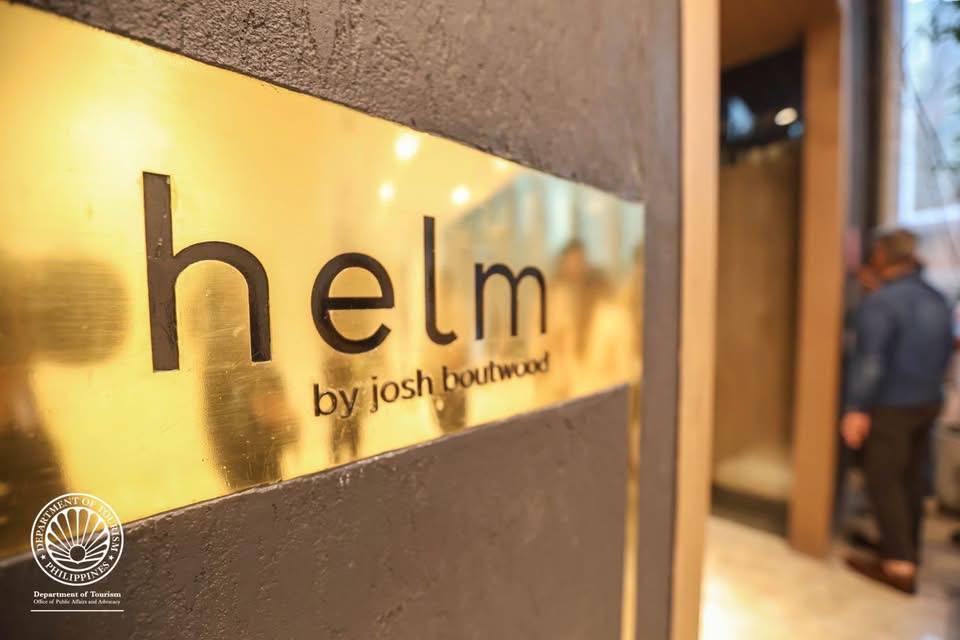
From there, the caravan rolled out like a gastronomic parade, snaking through Quezon City, Makati, and Taguig. Excitement swelled at every stop. Helm emerged as the day’s headliner—the country’s first-ever two-star marvel, a place where technique and sorcery appear to be equally viable cooking methods. Then came the one-star constellation: Celera, Kása Palma, Hapag, Toyo Eatery, Inato, and Gallery by Chele—each a testament to Filipino ingenuity, boldness, and the absolute refusal to play it safe.m
The Bib Gourmand darlings marched right after—Morning Sun Eatery, Manam at Ayala Triangle, and The Underbelly—each beloved for serving comfort food with personality and the occasional cult following. Michelin-selected spots—Ramen Ron at Edades, Aya, and Automat—rounded out the roster, recognized for craftsmanship so precise it practically rhymes.
With every plaque handoff, teams erupted in cheers, chefs exchanged tearful hugs, and diners watched with the reverence of people witnessing history—because they were. Years of sweat, sleepless prep, experimental triumphs, and the kind of passion you can’t fake were distilled into glittering moments of victory.
But amid the celebration, the DOT underscored a deeper truth: Michelin stars shine because countless hands make the light possible. Farmers, fisherfolk, growers, and artisans shape the flavors long before they ever hit a chef’s prep station. DOT Secretary Christina Frasco emphasized that a thriving culinary scene must uplift the entire chain—from soil to plate—ensuring that progress doesn’t leave behind the very people who grow the soul of Filipino food.
Fresh from hosting Terra Madre Asia and Pacific and gearing up for the UN World Gastronomy Tourism Forum, the Philippines made one thing clear: we’re not just serving unforgettable food. We’re shaping global conversations about heritage, sustainability, and culinary identity.
In the end, the RestoRUN was more than a caravan. It was a proclamation, a celebration, and the spark of a movement. The inaugural Michelin Guide Philippines—launched in October and covering Metro Manila, Cebu, Pampanga, Tagaytay, and Cavite—isn’t a finish line. It’s the starter pistol.
The world has had its first taste. The Philippines is rolling forward—bold, confident, flavorful, and unmistakably unignorable.