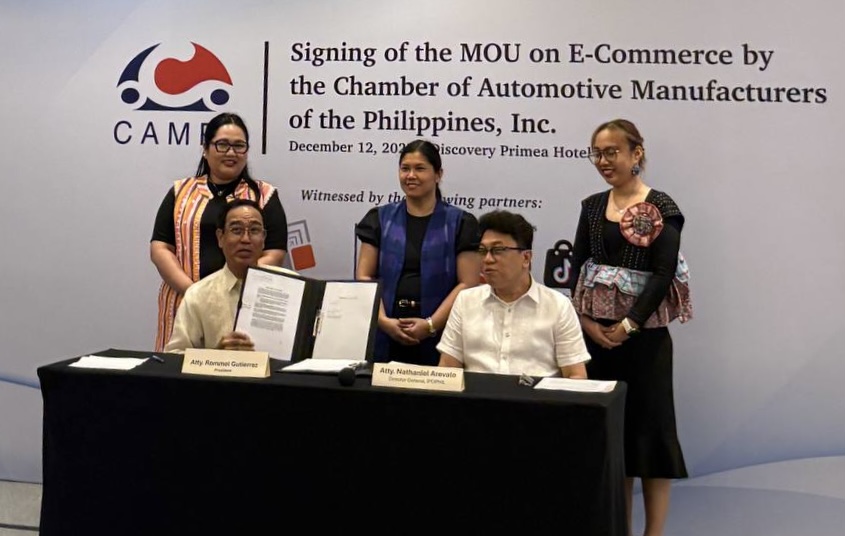
The Philippines is tightening the screws on sellers of fake automotive parts, as the Chamber of Automotive Manufacturers of the Philippines (CAMPI) and the Intellectual Property Office of the Philippines (IPOPHL) sign a new memorandum of understanding aimed at purging counterfeit auto products from major e-commerce platforms.
Announced in a press briefing, the pact mobilizes rapid notice-and-takedown action against sellers of bogus parts on Shopee, Lazada, Zalora, and TikTok—platforms that have become hotbeds for low-grade, look-alike components.
CAMPI president Rommel Gutierrez warned that the surge in online counterfeits over the past five years has reached “alarming levels,” posing a direct threat to motorists as well as legitimate brands.
“With increased accessibility and convenience, e-commerce platforms have become popular for purchasing automotive parts, including—most especially—safety parts,” Gutierrez said. “Counterfeit parts undermine regulations and compromise the safety of road users and the public.”
He emphasized that CAMPI’s collaboration with online platforms reinforces the industry’s commitment to ensuring that only genuine, high-quality parts make their way onto Philippine roads.
IPOPHL Director-General Nathaniel Arevalo echoed this urgency, citing a 2023 report from the U.S. International Trade Administration that flagged counterfeit and substandard auto parts as a persistent and dangerous challenge for the aftermarket sector. The abundance of these “below-minimum-standard” components online, he said, is not merely an IP violation—it is a public safety hazard.
“A single defective part can endanger not just property but people’s lives,” Arevalo stressed.
IPOPHL has logged 90 reports involving counterfeit automotive products, 67 of which came from online sellers. The new alliance aims to curb that number fast, signalling a tougher era ahead for digital counterfeiters—and a safer one for Philippine motorists.