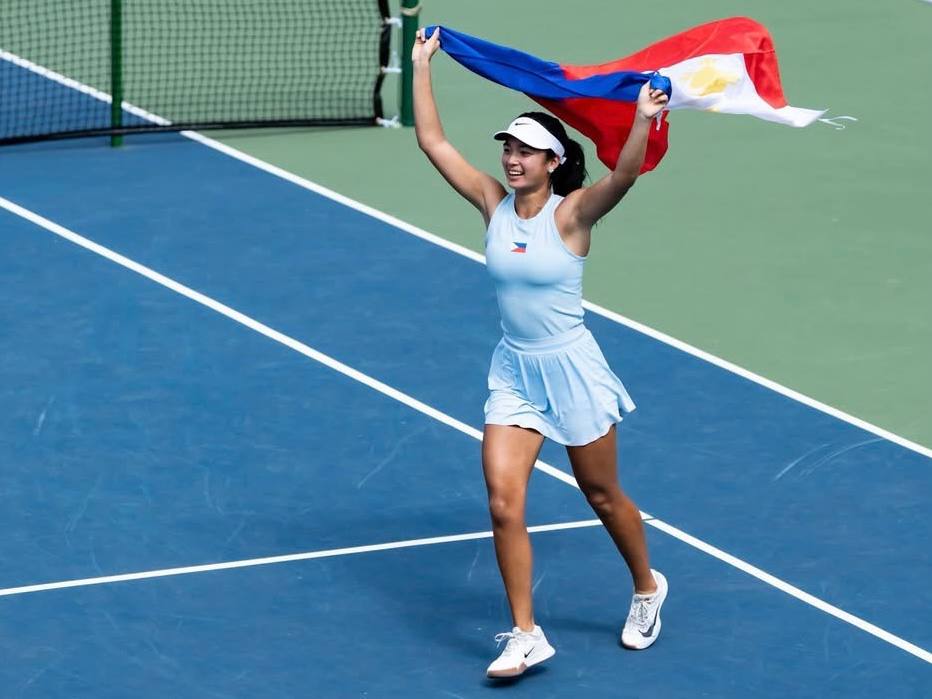
Under the merciless noon sun of Bangkok, Alex Eala didn’t just play tennis—she settled unfinished business 26 years in the making. The 20-year-old Filipino star dismantled Thailand’s Mananchaya Sawangkaew, 6–1, 6–2, to end the Philippines’ long gold-medal drought in women’s singles at the Southeast Asian Games.
The last time a Filipina stood atop the SEA Games women’s singles podium, it was 1999. Alex Eala wasn’t even a possibility then. That honor belonged to Maricris Fernandez, herself then barely 20, who carved out history with a golden run. On this blistering afternoon, time folded in on itself, and another young Filipina picked up the thread—only this one made it look almost effortless.
Trained at the Rafa Nadal Academy and ranked No. 53 in the world, Eala arrived with credentials—and played like she intended to underline them. Her groundstrokes bit hard, her passing shots landed with intent, and her serves cracked through the humid air. Volleys were dispatched with surgical calm. Mananchaya Sawangkaew spent much of the match chasing shadows.
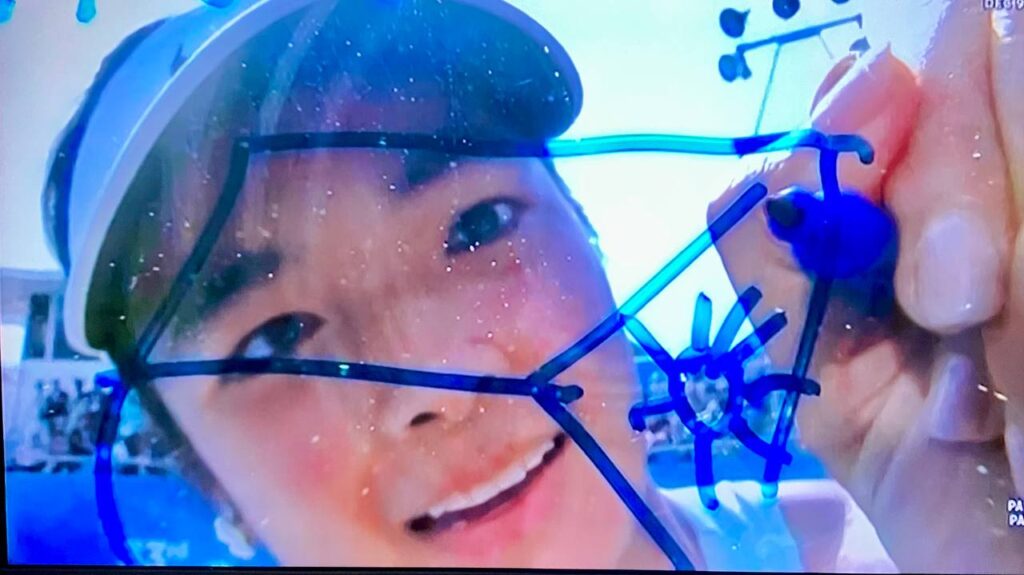
Perhaps in an effort to regain her breath—and her bearings—the Thai player twice paused play to change the insoles of her shoes, small rituals of reset against a match rapidly slipping away.
Drama, inevitably, found its way onto the court. Three missed line calls forced awkward point replays and drew Eala into a rare exchange with the umpire. The disruption briefly tilted momentum, emboldening the home crowd as Sawangkaew snatched a game in the second set.
Then the noise shifted.
Philippine flags were spread across the stands, and chants of “Laban, Pilipinas!” and “Let’s go, Alex!” rolled in waves, turning the arena into borrowed Manila real estate. Eala reset, tightened her grip, and slammed the door with the confidence of a player who already knew the ending.
It was only fitting. Days earlier, Eala had carried the Philippine flag into the stadium, leading hundreds of Filipino athletes during the opening ceremonies in their collective hunt for glory, recognition, and validation. In Bangkok, she didn’t just lead—she delivered.
Her march to gold had been ruthless all week. In the semifinals, she brushed aside another Thai hopeful, Naklo Thasasporn, 6–1, 6–4, a quiet warning of what was to come.
When match point finally fell, it wasn’t just a victory—it was a statement. Alex Eala didn’t merely reclaim gold for Philippine tennis. She fulfilled the promise she carried on opening night—and announced that the future had arrived, armed with a wicked forehand and no patience for waiting.