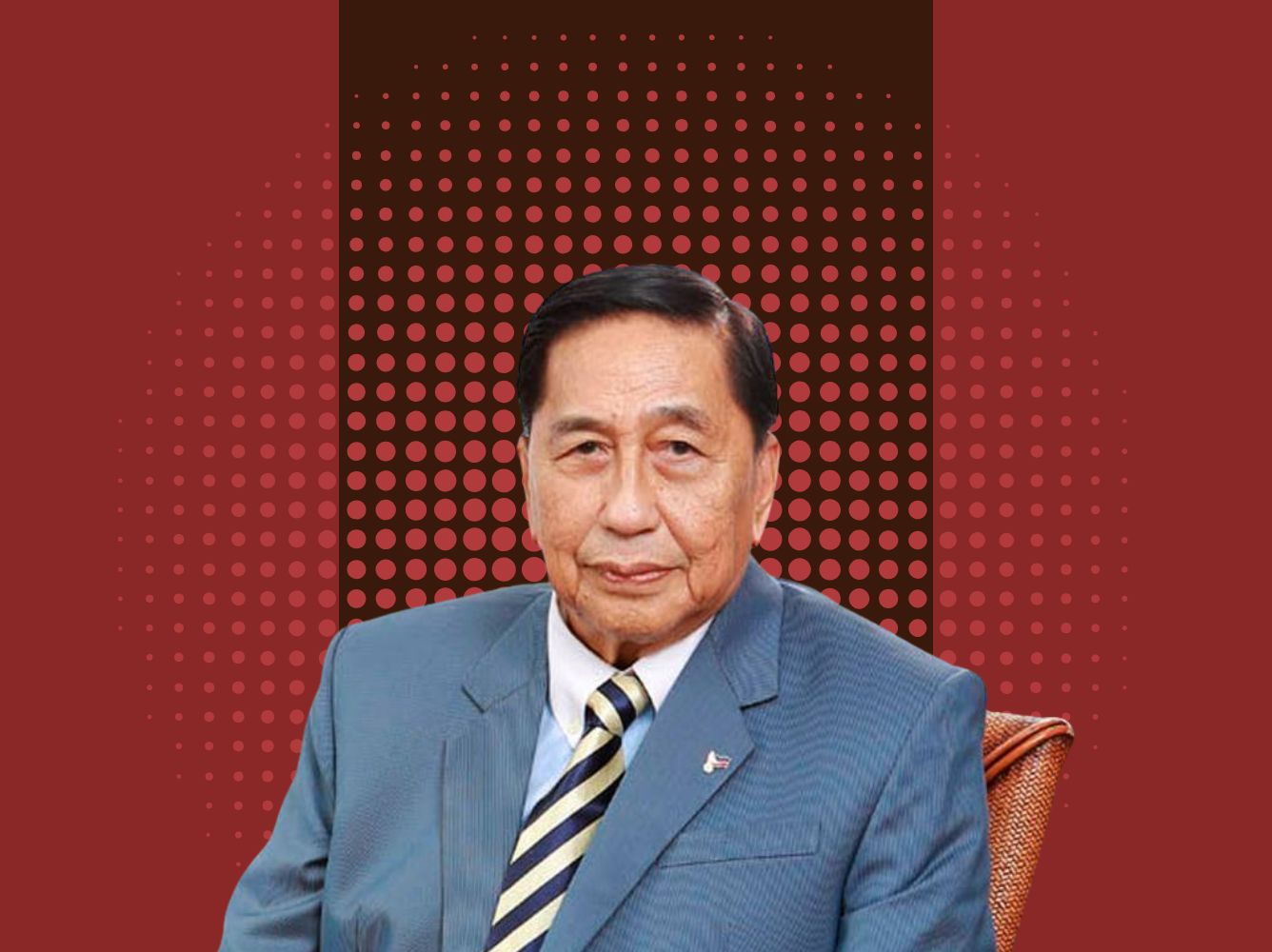
The privately owned umbrella group Employers Confederation of the Philippines (ECOP) said the recent rise in unemployment is largely due to the corruption scandal that has shaken investor confidence in the country.
In an interview, ECOP president Sergio R. Ortiz-Luis Jr. said employment growth in 2025 failed to keep up with the annual entry of about 800,000 to one million new graduates and jobseekers into the labor market.
Data from the Philippine Statistics Authority showed unemployment fell to 4.4 percent in November 2025 from 5 percent in October, but was higher than the 3.2 percent recorded in November 2024.
Ortiz-Luis cited several factors behind the year-on-year increase in unemployment, including severe weather events, global geopolitical tensions, higher US tariffs, and weaker holiday hiring by malls. However, he stressed that corruption allegations—particularly involving flood control projects—had the biggest impact, as investors have taken a wait-and-see stance while investigations are ongoing.
He said job growth continues to come mainly from the services sector, while manufacturing, construction, and mining have lagged due to reduced local and foreign investments. Investor confidence has also been hurt by dissatisfaction over the handling of the corruption probe and the 2026 national budget process.
Despite these challenges, Ortiz-Luis said the business sector is still working with the government to create jobs through job fairs, online job matching, and worker upskilling programs with agencies such as TESDA. He warned, however, that generating jobs will remain difficult unless investor confidence improves.
Separately, Ortiz-Luis reiterated ECOP’s opposition to another minimum wage hike, arguing that the Philippines already has the highest wage rates in ASEAN. He said the real problem lies in high prices of goods and utilities, not low wages, and noted that economic growth slowed to 4 percent in the third quarter of 2025—the first time it fell below 5 percent.