Europe is pushing to deepen trade and investment ties with the Philippines as global economic uncertainty reshapes international commerce, according to European and Nordic diplomats.
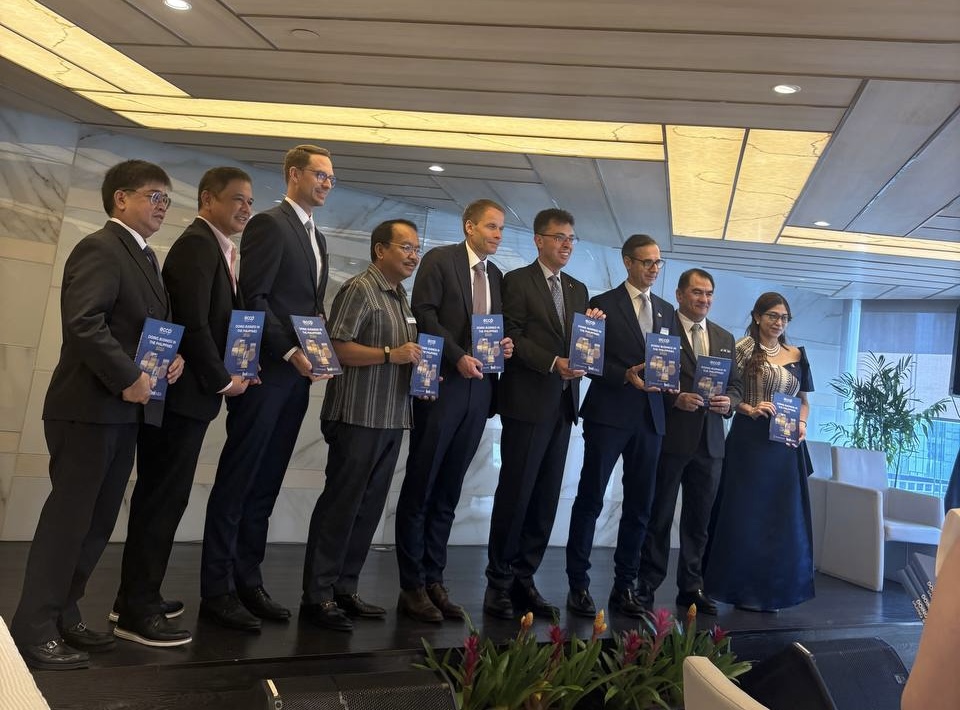
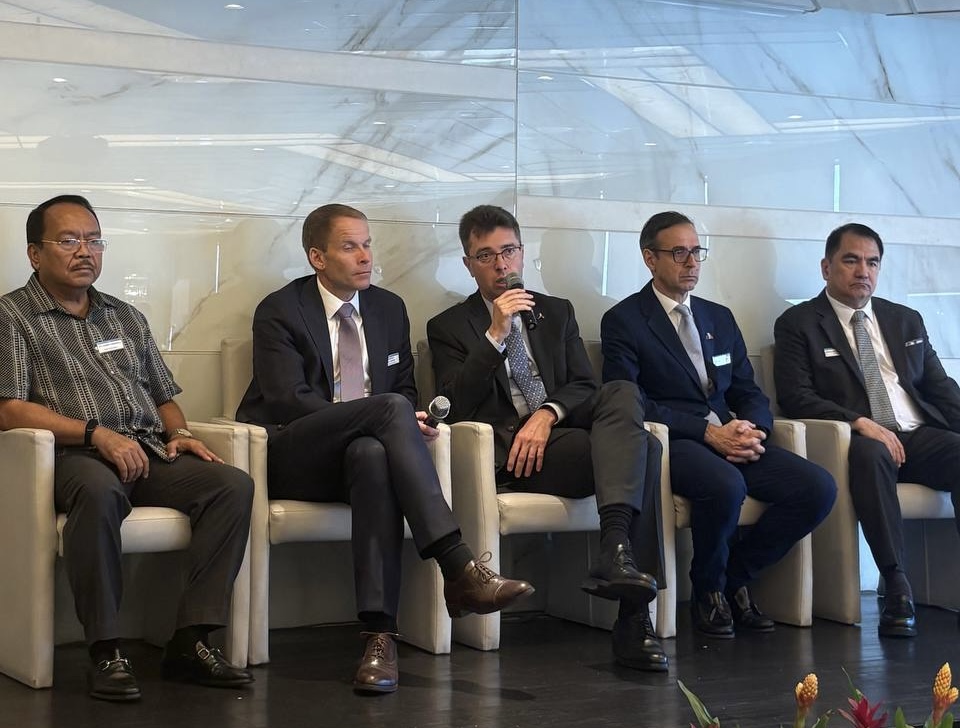
This sentiment was expressed by European Union Ambassador to the Philippines Massimo Santoro and Norwegian Ambassador Christian Halaas Lyster at the launch of the Doing Business in the Philippines 2026 guidebook on Thursday, January 22.
Santoro said EU–Philippines trade continues to grow despite geopolitical and economic headwinds. Total trade in goods reached EUR8.3 billion, up 3 percent from the same period in 2024, with the Philippines posting a strong trade surplus. “This reflects the rising competitiveness of Philippine exports and strong EU market demand,” he said.
However, Santoro noted that trade volumes remain below potential compared with regional peers. To bridge the gap, both sides are advancing negotiations for an EU–Philippines free trade agreement, launched in 2024. Beyond tariff cuts, the proposed FTA aims to establish a stable framework for services, investment, digital trade, intellectual property, sustainability, and job creation. Several negotiation rounds are planned for 2025.
The EU’s Generalized System of Preferences Plus scheme continues to support Philippine exports, granting zero tariffs on more than 6,000 product lines. Santoro also highlighted strong European investor interest in renewable energy, infrastructure, manufacturing, and digital services, backed by governance reforms and sustainability-focused cooperation.
Lyster, for his part, said economic ties between the Philippines and the European Free Trade Association—comprising Norway, Switzerland, Iceland, and Liechtenstein—have strengthened since their trade agreement took effect seven years ago.
Trade volumes now exceed EUR700 million annually, though he said the agreement has yet to reach its full potential.
Both sides, Lyster added, are committed to improving awareness and utilization of trade preferences to unlock deeper cooperation.