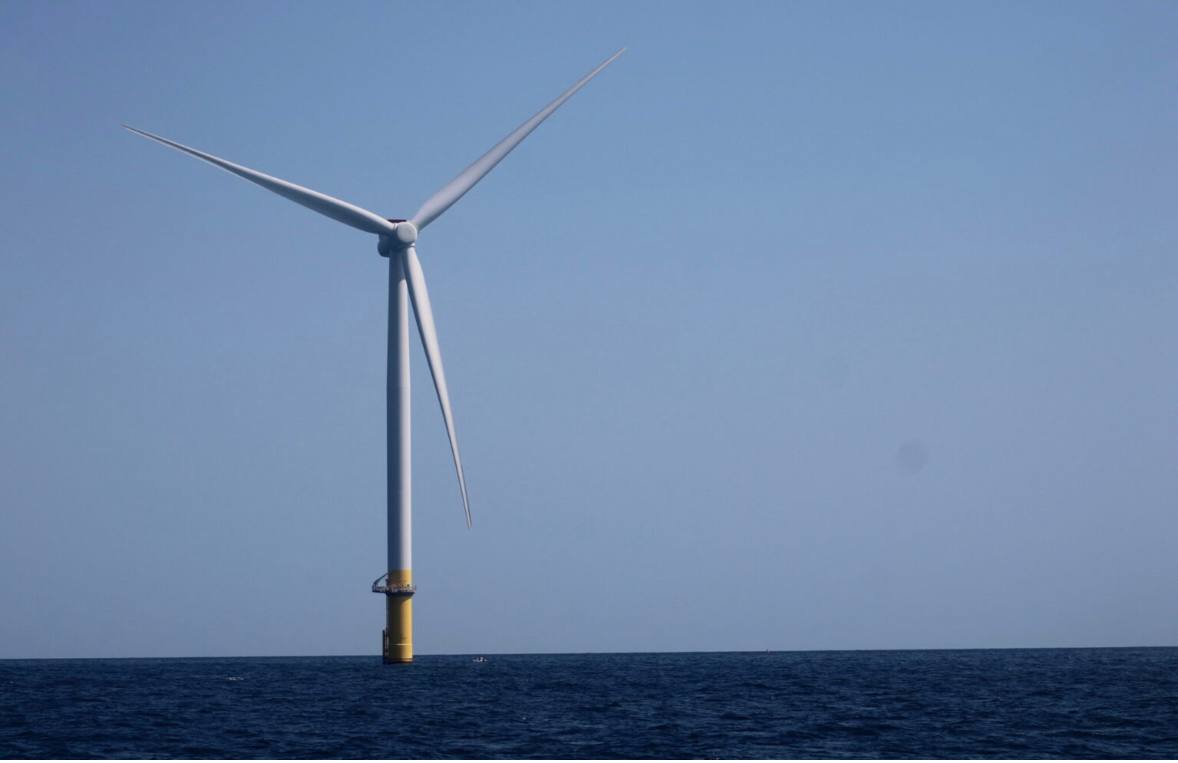
The Department of Energy (DOE) has released updated rules for the fifth round of the Green Energy Auction (GEA5), tightening procedures and timelines for offshore wind developers as the country prepares for its first auction dedicated solely to offshore wind projects.
The DOE said the Supplemental Terms of Reference (TOR) introduce clearer submission requirements, updated schedules, and a more streamlined sequence of compliance obligations. The changes are meant to reduce overlaps, improve coordination with other agencies, and help projects move faster from award to construction.
GEA5 is significant because it is the country’s first offshore wind–exclusive auction, offering 3,300 megawatts (MW) of fixed-bottom offshore wind capacity for delivery between 2028 and 2030. The DOE said the auction is a key part of the government’s long-term clean energy and energy security plans.
Under the updated TOR, the DOE aligned auction requirements more closely with the processes of the Energy Regulatory Commission, the National Grid Corporation of the Philippines, and other agencies. The revisions also provide more guidance on performance security, milestone monitoring, and compliance checks, with additional administrative and technical details included in annexes.
“These updates aim to support timely project implementation and reinforce accountability across the development process,” the DOE said.
As with previous auctions, developers under GEA will compete by offering power rates at or below reserve prices set by the ERC. For GEA5, winning projects will have a 20-year supply delivery period and benefit from clearer rules on port access and queuing, including priority order, time-of-use, and penalties for delays.
The updated terms also allow flexibility for force majeure and infrastructure-related delays, subject to DOE approval, and include lender step-in rights to help ensure project continuity. Winning bidders will be endorsed for priority processing of grid studies, connection agreements, and port scheduling.
The DOE identified Pambujan Port in Camarines Norte and Sta. Clara Port in Batangas as installation ports, while also providing guidance for developers that plan to use private ports.
The agency noted that the updated GEA terms build on earlier efforts to speed up offshore wind development, including the launch last year of an offshore wind guidebook. The guidebook outlines how to navigate more than 80 required permits while maintaining social and environmental safeguards.
The Philippines has an estimated offshore wind potential of over 178,000 MW, with 92 service contracts already awarded covering more than 65,000 MW. However, as of October 2025, the country’s installed wind capacity stands at 427 MW—about 1.3 percent of the power mix—and all of it comes from onshore projects.