The Department of Agriculture (DA) has ordered a new and broader investigation into alleged irregularities in the procurement and distribution of subsidized farm inputs and machinery, following complaints from farmers’ groups.
Agriculture Secretary Francisco Tiu Laurel Jr. said the probe will go beyond a routine review conducted earlier this year, which found no problems. He stressed that the new investigation aims to ensure public funds are properly spent and to identify any possible wrongdoing.
The DA chief called on farmers’ organizations to cooperate in exposing corruption. With the agriculture budget increased this year, he said every peso must directly benefit farmers, fisherfolk, and food producers.
The agency has also directed its legal team to look into reported delays in fertilizer deliveries. Suppliers found to have failed their obligations may face penalties or blacklisting, especially with the planting season approaching.
As part of reforms, the DA will test inorganic fertilizers to check their effectiveness and pilot a new procurement system this year. Farmers will soon be allowed to directly purchase eligible products using their Intervention Monitoring Card (IMC) or linked e-wallets. Full implementation is targeted next year to streamline access to subsidies and reduce leakages.
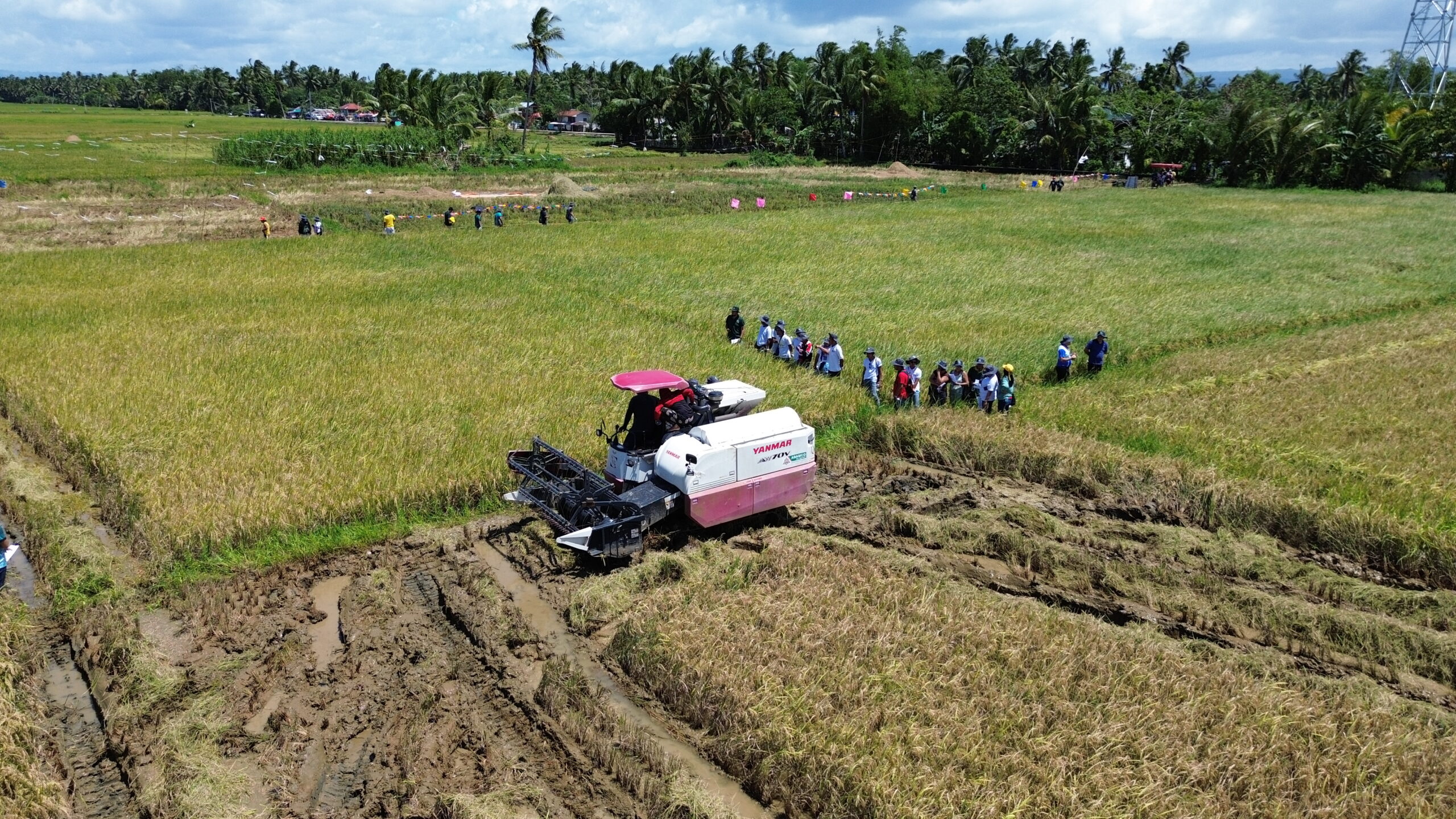
The probe also covers the Philippine Center for Post-harvest Development and Mechanization (PhilMech), which manages about P5 billion annually under the Rice Competitiveness Enhancement Fund (RCEF) for farm machinery and post-harvest facilities. Funding for RCEF is set to increase under amendments to the Rice Tariffication Act.
PhilMech denied allegations that its bidding processes were rigged or that consultations with farmers were merely token. It said all procurements undergo competitive public bidding in line with government rules and that equipment is sourced from multiple qualified suppliers. The agency added that beneficiary selection includes consultations to ensure machinery matches farmers’ needs and local conditions.
The renewed investigation was prompted by claims from the Federation of Free Farmers and the Magsasaka Party-List that some biddings favored pre-selected suppliers and that consultations with beneficiaries were minimal or lacking.
The outcome of the probe could shape future subsidy policies, with tighter enforcement of contracts, expanded digital purchasing systems, and possible reforms in procurement rules aimed at improving transparency and accountability in the farm support program.