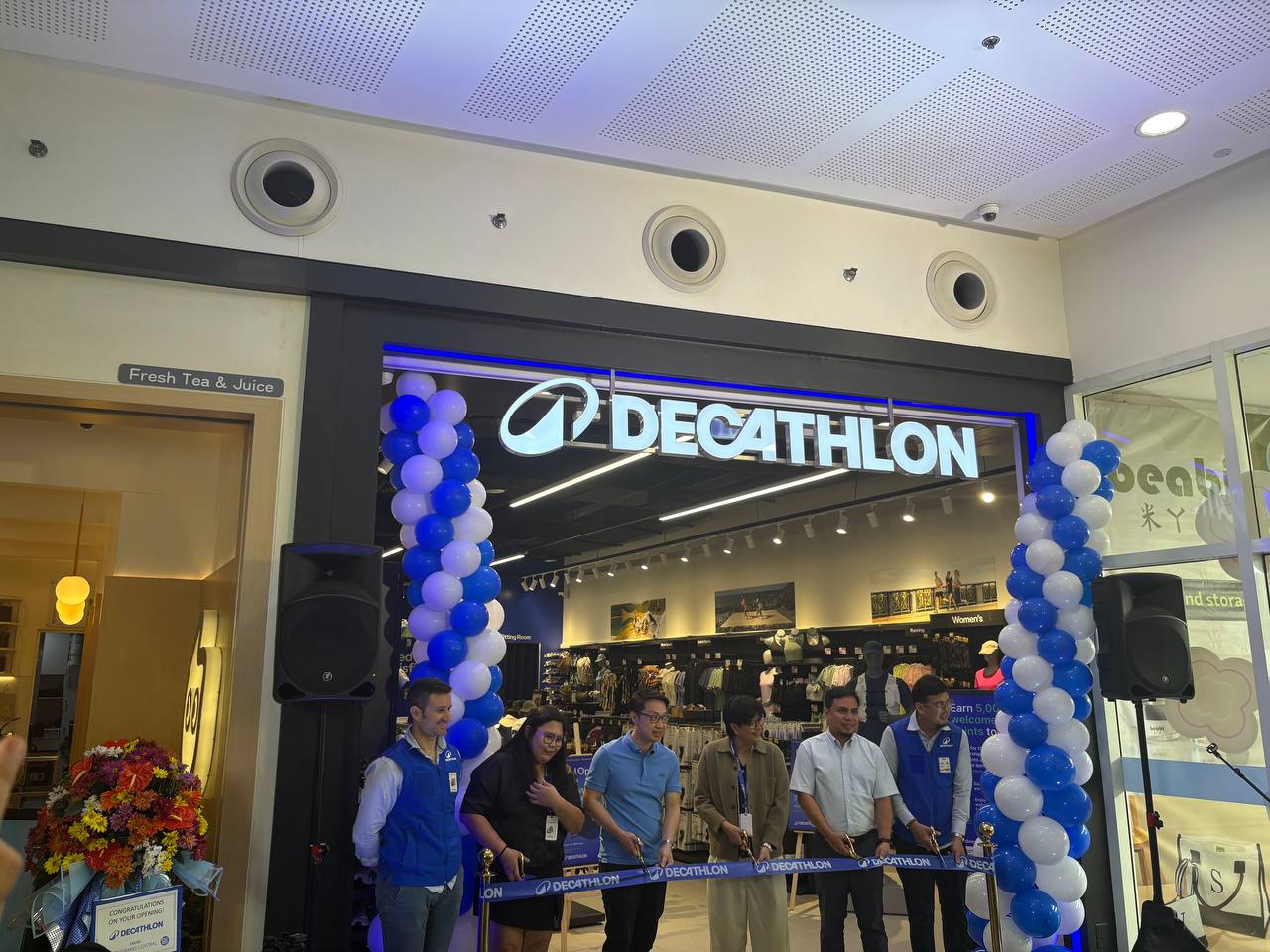
In a season when Filipino households squint at grocery receipts like they’re decoding ancient scripts, one retailer is cheerfully suggesting a different splurge: better lung capacity.
While much of retail tiptoes around cautious consumers, sporting goods are doing light sprints. Data from the US International Trade Administration show the Philippine sporting goods sector quietly building muscle, powered by rising health consciousness and steady participation in recreational sports.
Ken Research estimates the local sports equipment retail market at about 570 million dollars — no small change for a category once dismissed as a “nice to have.”
Blame, or credit, the pandemic. Living rooms moonlighted as yoga studios. Subdivision roads turned into improvised tracks. Stationary bikes became both cardiovascular tools and social media trophies. What began as lockdown improvisation hardened into habit. Today’s post pandemic Filipino schedules a long run with the same gravity as a quarterly review. “Sorry, can’t. LSD day.”

That behavioral pivot has proved fertile ground for Decathlon, which is accelerating its Philippine expansion with the calm confidence of a brand that knows the warm up is over.
At its 19th store, newly opened at SM Grand Central, the retailer sketched out an ambitious pipeline: 27 stores by the end of 2026, with 10 new openings planned this year alone. Another branch in Manila Bay is expected within months.
The subtext is unmistakable. If Filipinos are embracing active lifestyles, Decathlon intends to be close enough to hear the starting gun.
Proximity, it turns out, is as strategic as price.
When Decathlon entered the Philippines in 2017, it did so with theatrical scale — a 3,000 square meter flagship in Alabang, followed by a cavernous standalone store in Masinag. These were temples to triathlons, cathedrals of camping gear. But the brand has since refined its choreography.
Its compact Connect stores, at roughly 100 to 150 square meters, act as neighborhood handshakes — small, accessible, and stocked with essentials that spark curiosity. At the other extreme are City stores averaging 1,500 square meters, sprawling enough to outfit a marathoner, a mountaineer, and a weekend pickleball convert in one visit.
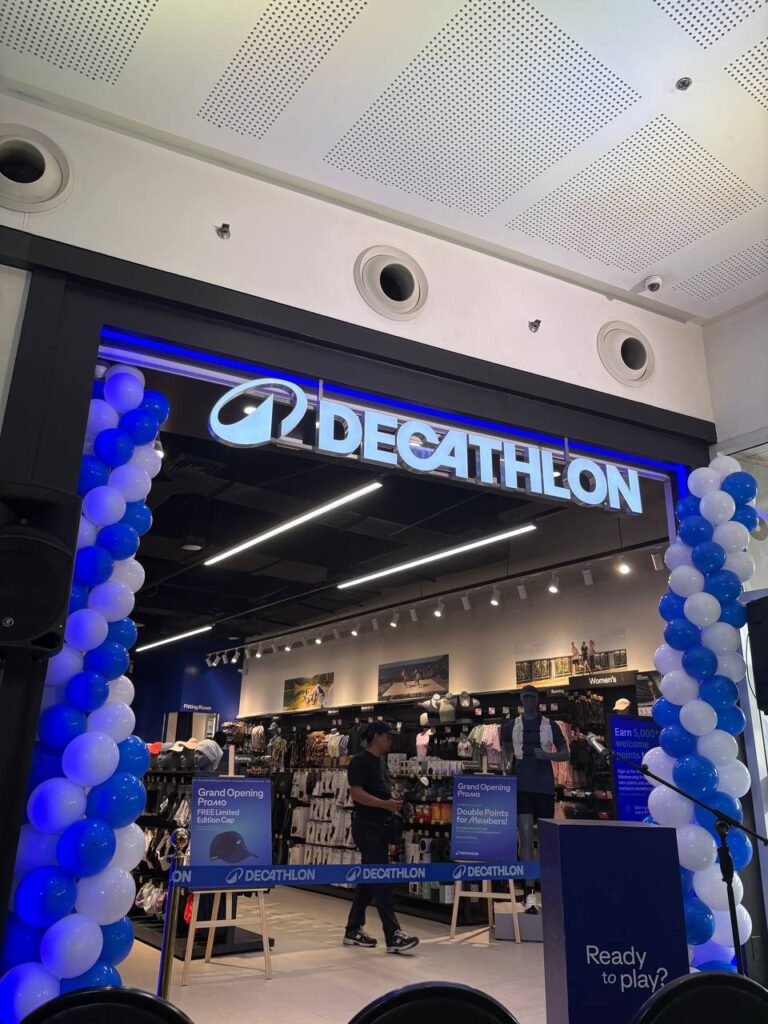
Between them sits the newer Town format, first launched in Cebu last month. Town stores split the difference: generous without being intimidating, deep without being distant. Future openings are expected to lean toward Town and City formats, signaling a preference for fuller assortments delivered to denser catchments.
Affordability remains the anchor. Founded in 1976 in Lille by Michel Leclercq, Decathlon built its model on vertical integration. It designs most of its products in house and oversees sourcing and production across Europe and Asia.
By compressing the journey from sketchpad to shelf, it trims costs without trimming ambition. First time joggers and seasoned cyclists browse the same aisles, often with equal delight.
In the Philippines, all stores are company owned, giving local teams latitude to organize run clubs, bike meetups, and barangay partnerships. The marketing is less billboard, more heartbeat. Participation, not persuasion, is the endgame.
The thesis is elegantly simple. The more people who move, the more durable the market becomes.
A growing middle class is already allocating more to wellness. Pickleball courts fill up. Fun runs sell out. Fitness has migrated from aspiration to routine.
For Decathlon, growth is not merely about stealing share. It is about widening the circle. In an economy defined by careful choices, the pitch is disarmingly practical: invest in your health. The returns compound daily.