In a place most people would avoid, science has found unlikely heroes.
Scouring the sludge of the Meycauayan River—long tagged as one of the world’s dirtiest waterways—researchers from the University of the Philippines uncovered something quietly extraordinary. Beneath the murky surface, 26 types of bacteria are not just surviving pollution. They are fighting it.
Think of them as nature’s tiny cleanup crew, hardened by years of exposure to chemicals, waste, and plastic. In such extreme conditions, microbes adapt fast.
The question scientists asked was simple. Could these bacteria have learned a few tricks that humans have not?
The answer appears to be yes.
From riverbed mud collected at multiple sites, the team—led by Aroin B. Verdera, with Michael C. Velarde, Veronica P. Migo, Jessica F. Simbahan, and Marie Christine M. Obusan—identified bacteria that can break down polyethylene, the stubborn plastic used in bags and packaging that typically lingers for decades.
Twenty-six strains showed this ability. One, however, stood out like a star pupil.
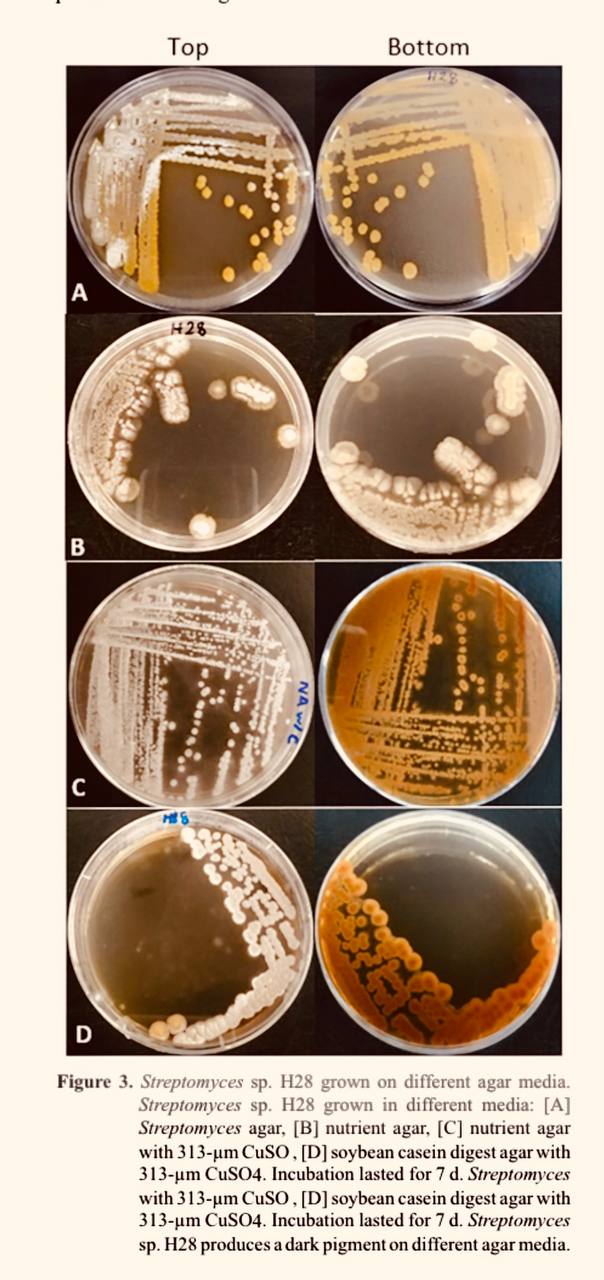
Meet Streptomyces sp. H28.
That name carries scientific weight. Streptomyces belong to a group of soil-dwelling bacteria famous for producing more than two-thirds of the world’s natural antibiotics, including streptomycin. They grow in branching, thread-like structures that resemble fungi and play a quiet but vital role in breaking down organic matter and supporting plant health. In short, they are already nature’s chemists and recyclers.
H28 lives up to that reputation and then some.
It does not just nibble at plastic. It can break down both major types of polyethylene. That alone would be headline-worthy. But it does more.
This microbe also produces melanin, the same pigment that colors human skin and hair. In this case, the melanin comes with antioxidant properties, meaning it can help protect cells from damage. A bacterium pulled from toxic mud, it turns out, may hold clues not only to cleaning up plastic, but also to shielding human health.
Researchers say this may only scratch the surface. The river carries far more than plastic, and H28 could be producing compounds capable of breaking down a wider range of pollutants.
Its melanin, meanwhile, shows promise beyond the lab—as a natural food colorant or as an ingredient in products with antimicrobial, anticancer, antioxidant, and even plastic-binding properties.
The study, published in the Philippine Journal of Science, offers a striking reminder. In one of the filthiest places on Earth, nature may already be sketching out solutions to some of humanity’s dirtiest problems.