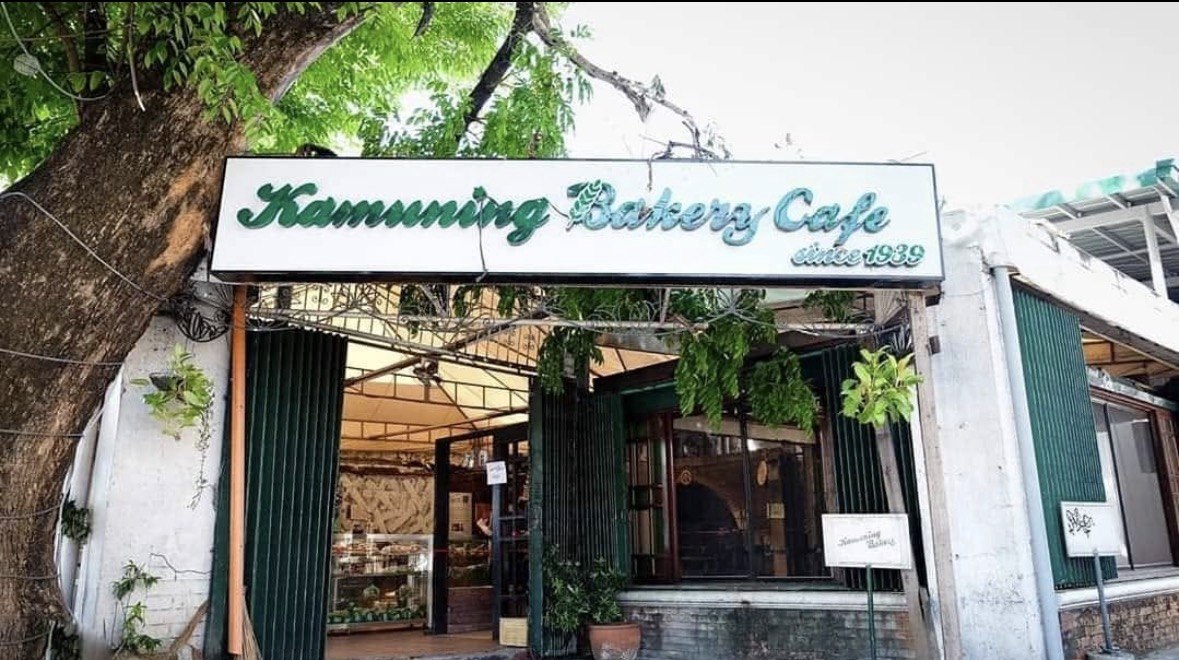
Before sunrise, neighborhood ovens across the Philippines are already humming—dough proofing, trays filling, and the unmistakable scent of pandesal drifting through streets from Cuenca, Batangas to Kamuning, Quezon City.
These bakeries, long stitched into the fabric of daily life, now find themselves squeezed by rising costs, industrial-scale rivals, and vanishing space for small producers. Survival, it turns out, takes more than sentiment—it takes strategy.
For Tinapayan Festival founder Chito Chavez, nostalgia is merely the opening act. “Filipino bread should go beyond nostalgia,” he said—a philosophy that has helped transform a small-town celebration into a broader platform for both preservation and progress.
At the center of that effort is a familiar staple. “I believe pandesal is our national bread,” Chavez said. Once dubbed the poor man’s bread, it has quietly become everyone’s bread—democratic, dependable, and ripe for reinvention.
Chavez’s approach? Treat tradition as a baseline, not a boundary. His “agri-breads” fold local ingredients like malunggay, kalabasa, and kamote into the mix, giving pandesal a nutritional and commercial upgrade.
He is also championing localized production of Nutriban, arguing that community bakeries already have the know-how. “Every bakery knows pandesal,” he noted. “Just add nutrition.”
A similar resilience defines Kamuning Bakery, a mainstay since 1930. Under owner Wilson Flores, the bakery kept its doors open through the pandemic—a decision equal parts grit and goodwill. “We’re an old-style bakery,” Flores said. “We stayed open.”
That stubborn continuity hasn’t come easy. Industrial players have reshaped the market, sidelining many traditional shops. When a fire tore through part of Kamuning Bakery, rebuilding wasn’t a choice—it was a necessity. “You can’t operate without a roof,” Flores said, plainly.
Yet even as it adapts, the bakery keeps its recipe for relevance simple. Nostalgia may draw customers in, Flores admits, but taste and price keep them coming back. In other words: heritage is the hook, but value closes the sale.
Across towns, ovens, and generations, the lesson is clear. Filipino bakeries aren’t just preserving the past—they’re proofing the future, one pragmatic, purposeful loaf at a time.