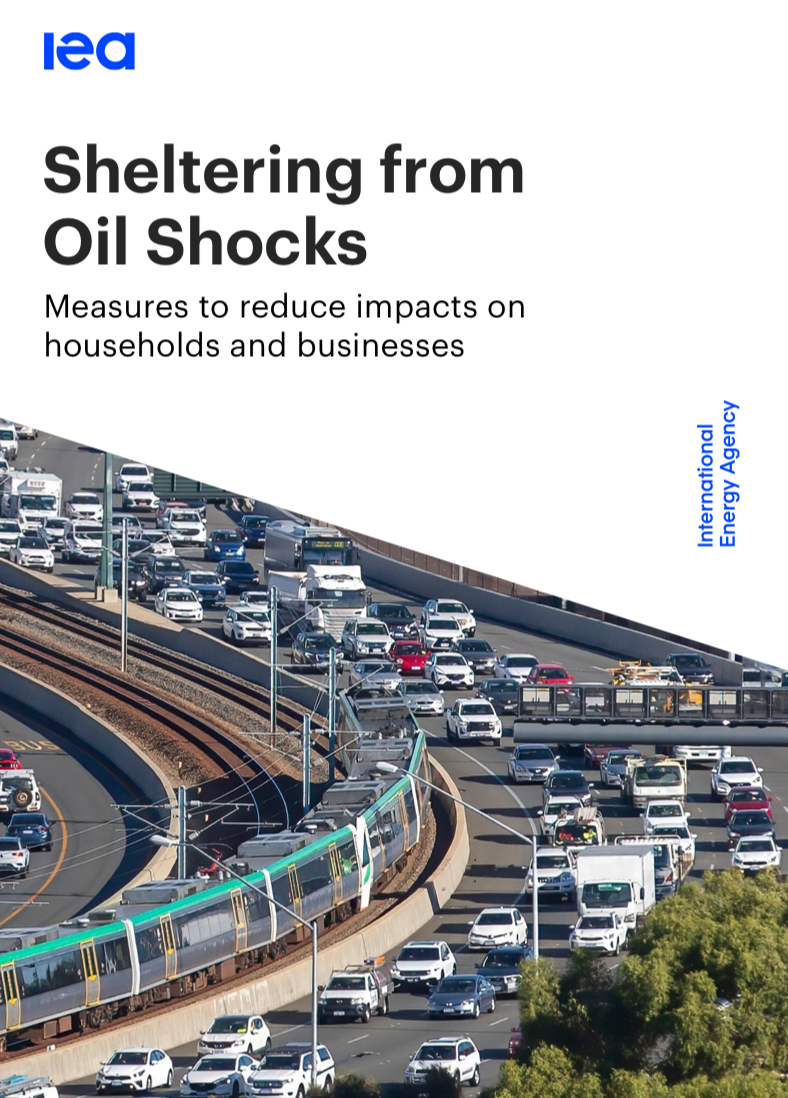
Governments, businesses, and households must act quickly to reduce oil consumption as markets remain under strain, the International Energy Agency said, outlining a set of urgent measures to ease pressure on supply and prices.
IEA detailed in a new report 10 demand-side actions that can be implemented immediately to cut fuel use across transport, industry, and homes.
While emergency oil stock releases have helped stabilize markets, the IEA stressed that reducing demand is now critical to protecting consumers and limiting economic damage.
Among the most impactful steps is expanding remote work. The agency said adding just three work-from-home days per week for eligible workers could reduce national oil demand from cars by up to 6 percent, with significantly larger savings for individual commuters.
Lower speed limits are another quick win. Cutting highway speeds by at least 10 kilometers per hour can reduce fuel consumption by up to 10 percent per driver, while also lowering overall national demand.
The IEA also called for stronger promotion of public transportation, cycling, and walking, which together can deliver meaningful reductions in car fuel use.
Cities are encouraged to adopt car-free measures, including alternate-day access (odd-even scheme) for private vehicles based on license plates. Such policies can ease congestion and reduce inefficient stop-and-go driving, cutting fuel use by as much as 5 percent.
Carpooling and eco-driving practices are also highlighted as effective tools. Simple steps such as maintaining proper tire pressure, reducing idling, and smoother acceleration can lower fuel demand by up to 8 percent.
For commercial transport, improving logistics and vehicle efficiency can yield additional savings.
Beyond road transport, the agency urged businesses to cut back on air travel where alternatives exist, estimating that reduced business flights could lower jet fuel demand by up to 15 percent. It also recommended shifting away from liquefied petroleum gas in vehicles to preserve supplies for essential uses such as cooking, while encouraging the adoption of alternative cooking technologies.
Industrial operators are advised to optimize equipment and prioritize available feedstocks to improve efficiency and reduce oil use.
The IEA said governments should lead by example and support these efforts through policy and public awareness, noting that collective action can significantly reduce the impact of the ongoing energy crisis.