The Bureau of Customs (BOC) is rolling out reforms aimed at helping Philippine exporters navigate current challenges while positioning them for sustained long-term growth, the Export Development Council (EDC) said Sunday, April 5.
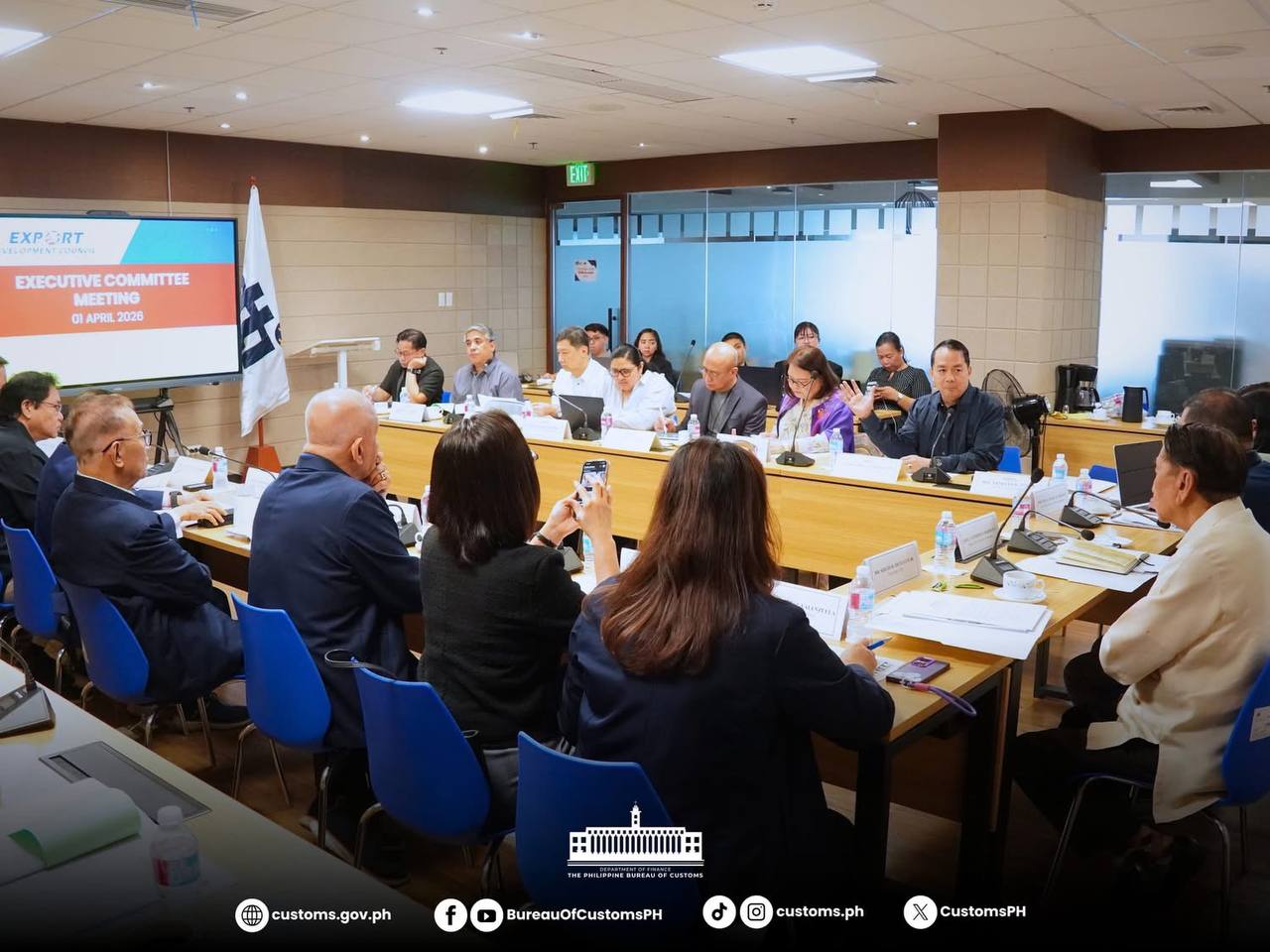
At an April 1 meeting, the EDC Executive Committee—chaired by the Department of Trade and Industry (DTI) and represented by Undersecretary Ceferino Rodolfo—highlighted measures designed to ease trade frictions and strengthen competitiveness.
The reforms target long-standing operational bottlenecks and signal a shift toward a more modern, credible, and digitalized customs environment.
Among the most significant changes is the exemption of qualified exporters from the Electronic Tracking of Containerized Cargo (E-TRACC) system.
The move removes the requirement for authorized economic operators that are also registered business enterprises, cutting costs and reducing delays. This is expected to streamline cargo movement to and from Free Zones while reinforcing incentives for compliant traders.
The council also welcomed Assessment and Operations Coordinating Group Memo No. 188-2025, which standardizes the recognition of export-oriented enterprise certificates across all ports.
The policy ensures consistent implementation of the Corporate Recovery and Tax Incentives for Enterprises (CREATE) Act and allows eligible exporters to avail of value-added tax exemptions without additional approvals.
Another key reform is the stricter enforcement of the 90-day container dwell time rule, aimed at decongesting ports and improving turnaround times.
Taken together, the initiatives underscore the BOC’s push for greater efficiency, transparency, and digitalization—laying the groundwork for a customs system that enables, rather than constrains, export growth.