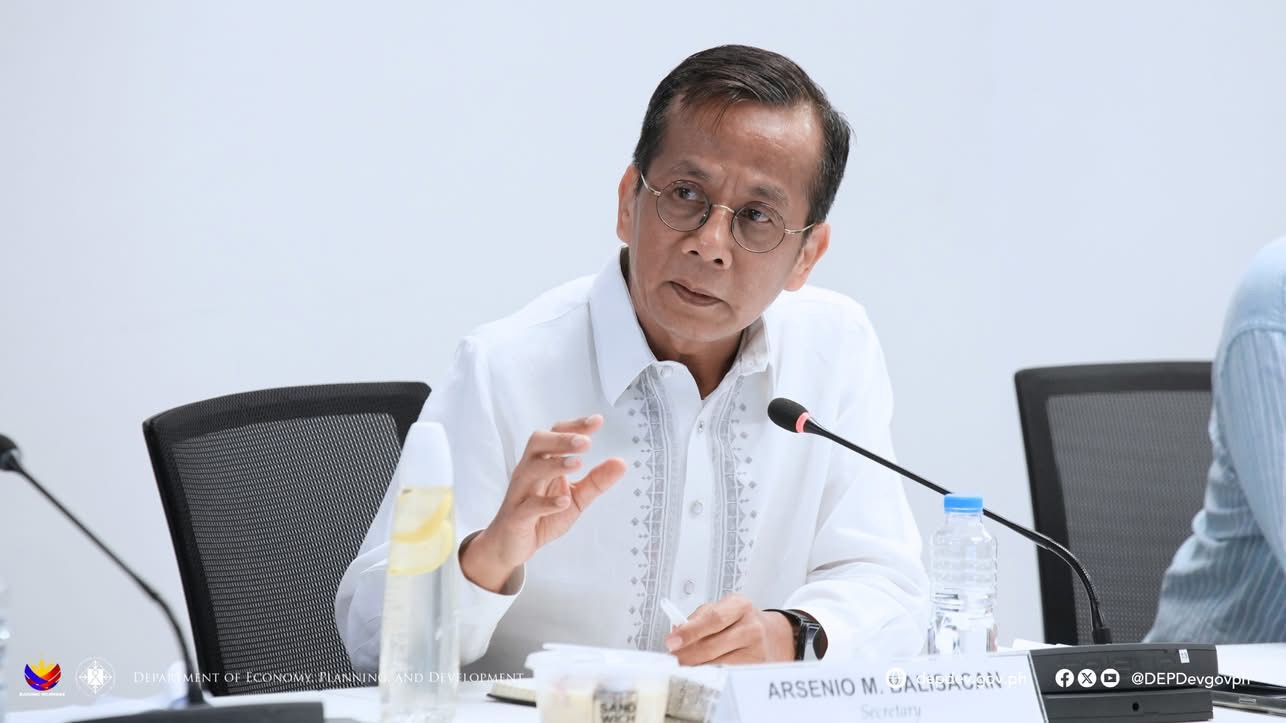
The Philippine government can bankroll its initial response to emerging global shocks using existing funds, but may need congressional support to include a special appropriation if pressures persist, Socioeconomic Planning Secretary Arsenio Balisacan told lawmakers on Monday.
Speaking before the Senate PROTECT Committee, Balisacan said short-term interventions from April to June can be financed through current allocations, including the 2025 continuing appropriations and the 2026 General Appropriations Act (GAA). These measures prioritize transport, food, and energy support, such as targeted fuel subsidies, aid for farmers and fisherfolk, and cash assistance for vulnerable households.
“Our assumption is that these short-term measures can be funded from current appropriations, with possible reallocation or reconfiguration,” he said, adding that Congress may need to step in if funding gaps arise.
Preliminary estimates place the cost of the three-month response at about P146.8 billion, driven largely by transport subsidies, fertilizer assistance, and expanded social protection.
Balisacan emphasized that the figure remains indicative pending final agency submissions.
However, he warned that a crisis extending beyond June would sharply increase financing needs. In that scenario, the government may need to realign programs or seek a special budget from Congress.
Balisacan also flagged fiscal risks, noting that additional spending could widen the deficit and invite scrutiny from credit rating agencies. Unlike during the COVID-19 pandemic, he said, the Philippines now has limited fiscal space.
He underscored the importance of targeted aid over broad-based subsidies, describing it as “more equitable and fiscally prudent” amid rising inflation that disproportionately affects low-income households.
“My preference is to work within the 2026 GAA rather than expand the deficit,” he said.