President Ferdinand R. Marcos Jr.’s renewed support for nuclear energy during his 2026 State of the Nation Address is the strongest national backing for the power source since the Philippines adopted its nuclear energy roadmap, according to advocacy group Alpas Pinas.
In his address to Congress, President Marcos restated that nuclear energy will be part of long-term government plans to secure stable power supplies, slow rising electricity costs, and meet growing demand. The announcement places nuclear power at the centre of the administration’s wider goals for economic growth and infrastructure building.
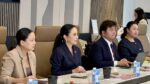
Alpas Pinas has been calling for nuclear energy to be included in national development plans through recent media events held in Metro Manila, Labrador in Pangasinan, Cebu City, and most recently at a briefing at the Richmonde Hotel in Iloilo City.
The push for nuclear power comes as the country faces deepening energy difficulties. Department of Energy data shows the Philippines had the highest average electricity rate in Southeast Asia in June 2026 at P12.43 per kilowatt-hour. Figures from the Southeast Asia Information Platform for Energy Transition also show fossil fuels still dominate power generation, with coal making up over 60 percent of the mix and natural gas another 18 percent. This heavy reliance leaves the country exposed to sudden shifts in global fuel prices and supply disruptions, worsened by ongoing tensions in the Middle East that have pushed crude oil costs sharply higher.
Alpas Pinas noted the President’s speech shows growing agreement that a secure, steady and environmentally friendly energy future must include nuclear power, which provides consistent low-carbon electricity. “President Marcos’ pronouncement during the SONA represents a defining moment in the Philippines’ energy transition,” said Gayle Certeza, lead convenor of Alpas Pinas. “It is the clearest signal yet that nuclear energy is no longer a distant possibility but an important policy option in addressing our country’s long-term energy needs. As this national conversation moves forward, it is equally important that the government starts making concrete steps to make this happen.” Certeza added that turning the policy into reality will need ongoing cooperation between government, businesses, schools, civil society groups and local communities, with work to set up proper rules, build skilled teams, and share clear, factual information with the public.
Lawmaker Mark Cojuangco, a leading supporter of nuclear energy and main author of House Bill No. 8567 or the PhilAtom Bill that aims to bring nuclear power into the national electricity system, described the SONA announcement as a turning point for Philippine energy policy. “For many years, discussions on nuclear energy remained largely technical and aspirational. The President’s SONA changes that. It firmly places nuclear energy within the country’s immediate-term development agenda,” Cojuangco said. He added that nuclear power is needed to meet rising demand, support industrial growth and build lasting energy security, noting that nations with more stable power supplies are better placed to keep developing. Cojuangco said he is hopeful the President’s remarks will lead to quick approval of his bill, which offers financial incentives and clear rules to help roll out nuclear power.
Alpas Pinas said the new policy direction creates a chance to speed up progress towards nuclear energy, noting the country needs more clean, affordable and dependable power to drive economic activity. With electricity use rising and energy security concerns growing, the group renewed its pledge to keep pushing for a faster shift to nuclear power.