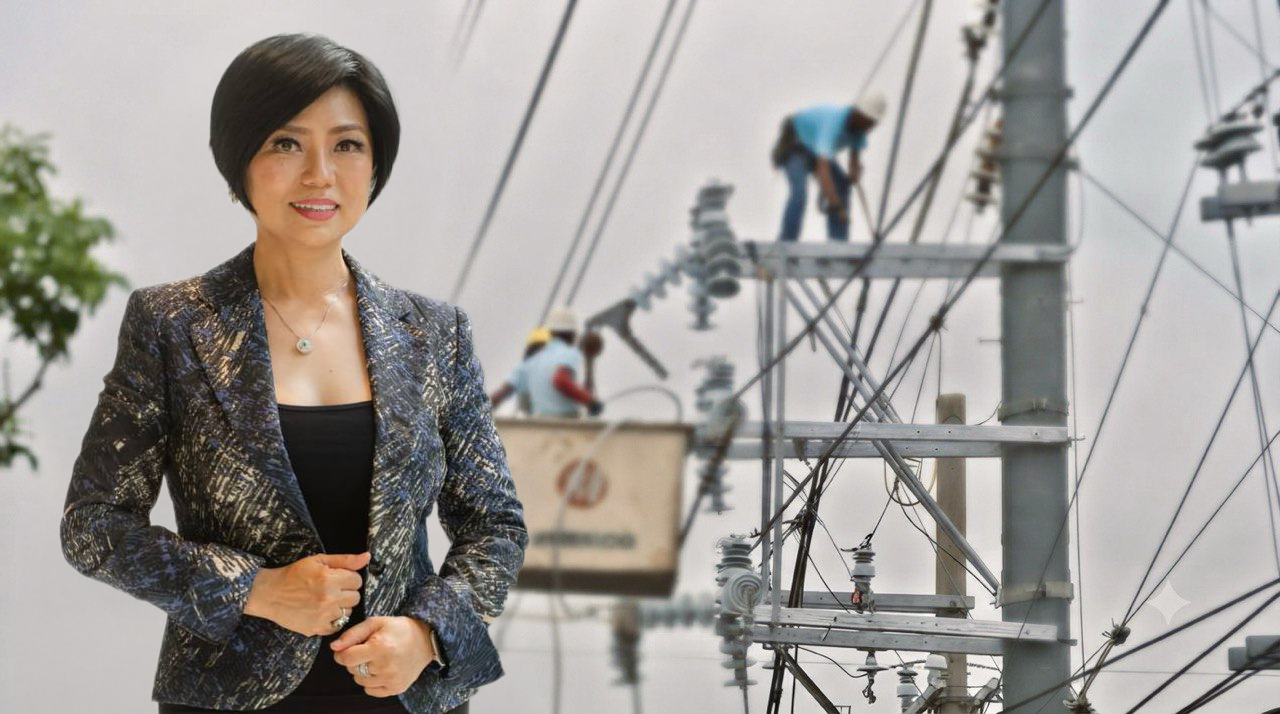
The Federation of Philippine Industries (FPI) is calling for a tougher crackdown on electricity theft and illegal power connections, arguing that reforms to reduce consumers’ electricity bills will have a greater impact if they also address long-standing inefficiencies that continue to drive up costs across the power sector.
As lawmakers push amendments to the Electric Power Industry Reform Act (EPIRA), the industry’s largest manufacturing group said proposals to overhaul system loss charges should be paired with stronger enforcement against power pilferage, meter tampering, and other non-technical losses that are ultimately borne by paying consumers and distribution utilities.
“FPI encourages the government to intensify efforts to address the root causes of non-technical system losses, particularly electricity theft, illegal connections, and meter tampering. Stronger enforcement of existing laws, together with more effective anti-pilferage measures and public-private cooperation, will help reduce avoidable losses, promote fairness among consumers, and improve the overall efficiency of the power sector,” the group said.
FPI also threw its support behind President Ferdinand Marcos Jr.’s push to bring down electricity costs, saying competitively priced and reliable power remains one of the biggest determinants of the country’s ability to attract investments, expand manufacturing, boost exports, and generate jobs.
Chairwoman Elizabeth H. Lee said any changes to system loss charges should be anchored on comprehensive technical, regulatory, and economic assessments by the Department of Energy and the Energy Regulatory Commission to ensure reforms remain transparent, equitable, and financially sustainable.
“Affordable and reliable electricity is indispensable to Philippine manufacturing and economic competitiveness. FPI fully supports reducing power costs for consumers and businesses, with reforms to system loss charges backed by thorough technical and economic assessments,” Lee said.
The group added that consumers should not bear the cost of utility inefficiencies, but cautioned that reforms should also preserve incentives for continued investments in power infrastructure. It urged policymakers to pursue a broader review of electricity pricing, including generation costs, taxes, transmission charges, and universal charges, arguing that lowering power prices will require structural reforms rather than isolated adjustments to a single component of consumers’ bills.