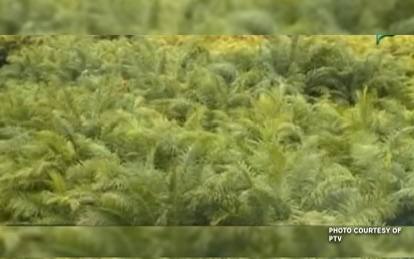
The Department of Agriculture (DA) is leading a major drive to expand the palm oil industry, aiming to cut the country’s heavy reliance on imports and build a local supply base that can also serve as feedstock for cleaner fuels.
Agriculture Secretary Francisco Tiu Laurel Jr. said Wednesday that far greater government support is needed to grow domestic production, noting nearly 90 percent of the country’s palm oil needs are met through imports. Expanding local output would create earnings opportunities for farmers and producers while capturing the domestic market—a key example of import substitution.
To jumpstart growth, the DA is requesting at least P300 million in budget support for palm oil development in 2027. The amount was not factored into the department’s original National Expenditure Program, as the scale of needed support became clearer only recently. The secretary has discussed the funding proposal with Senator Francis Pangilinan and Congressman Mark Enverga.
Looking ahead, the DA is also proposing a larger long-term funding commitment: up to P1 billion annually for five years, should Congress pass legislation backing the sector. Officials have mapped out a roadmap to develop 300,000 hectares of palm oil plantations, with the 100,000-hectare mark targeted by 2028 as a critical milestone.
Beyond food and industrial uses, expanded local palm oil production would eventually provide raw materials for cleaner fuels, aligning with broader economic and environmental goals.
The DA is also pushing for institutional reforms to speed up development. It wants the Philippine Coconut Authority (PCA) to create a dedicated deputy administrator post and specialized teams focused on both palm oil and coconut sectors, ensuring clearer roles and faster decision-making. The department also backs urgent certification of the proposed Palm Oil Bill and will submit an official recommendation to the President.
The expansion plan carries significant economic policy weight: it reduces import bills, strengthens agricultural self-reliance, raises farmer incomes, and builds local capacity for sustainable energy and industrial supply chains.