There are two kinds of Filipino motorists: those looking for a parking space and those who have already found one and are determined not to tell you where it is. Parking has become one of the more demanding sports in modern Philippine life. It requires patience, spatial awareness, quick reflexes, and, occasionally, the ability to stare at another motorist for several seconds without saying anything that could get you into trouble.
The actual driving is often the easy part. You can buy a car with cameras pointing in every possible direction, sensors that beep when you get too close to something, even automated parking assistance and enough electronic intelligence to make the vehicle seem considerably smarter than its owner. Yet none of these technologies can solve the fundamental problem: there are too many cars and not enough places to put them. This has turned parking into an unexpected test of character.
A perfectly good parking slot can produce behavior that would be considered unacceptable in most other circumstances. Drivers suddenly become territorial. A car waiting for a passenger becomes a strategic obstacle. Someone standing in a space to “reserve” it becomes a human traffic cone. And the driver who has been in the same row for 15 minutes develops a level of determination usually associated with Olympic athletes.
There is also the familiar ritual of the parking lot negotiation. You spot a car preparing to leave. You slow down. The driver behind you slows down. Another car appears from the opposite direction. Suddenly, three adults are engaged in a silent contest involving turn signals, eye contact, and the universal language of hand gestures. Nobody knows the rules. Everybody believes they do, especially the backseat drivers.
This is where modern motoring becomes more than a discussion about horsepower, fuel economy, or the size of the infotainment screen. A car is a machine, but driving is a social activity. The quality of the experience depends not only on what is under the hood, but also on what is happening around it. Technology can make cars safer, more efficient, and more comfortable. It can tell us when we are drifting out of a lane, warn us about an obstacle, and even help us park. But it cannot teach courtesy, which remains stubbornly manual. And perhaps it’s why the best driving technology is sometimes still the simplest: patience, awareness, and the ability to let somebody merge without treating it as a personal insult.
The Philippine parking expedition will continue, naturally. More cars will arrive, more shopping malls will build larger parking structures, and more motorists will discover that the last available slot was apparently reserved by someone who has been gone for 20 minutes. There are worse ways to spend a Saturday afternoon. At least parking gives us something to compete for. And unlike most sporting events, nobody has yet figured out how to sell tickets for it.
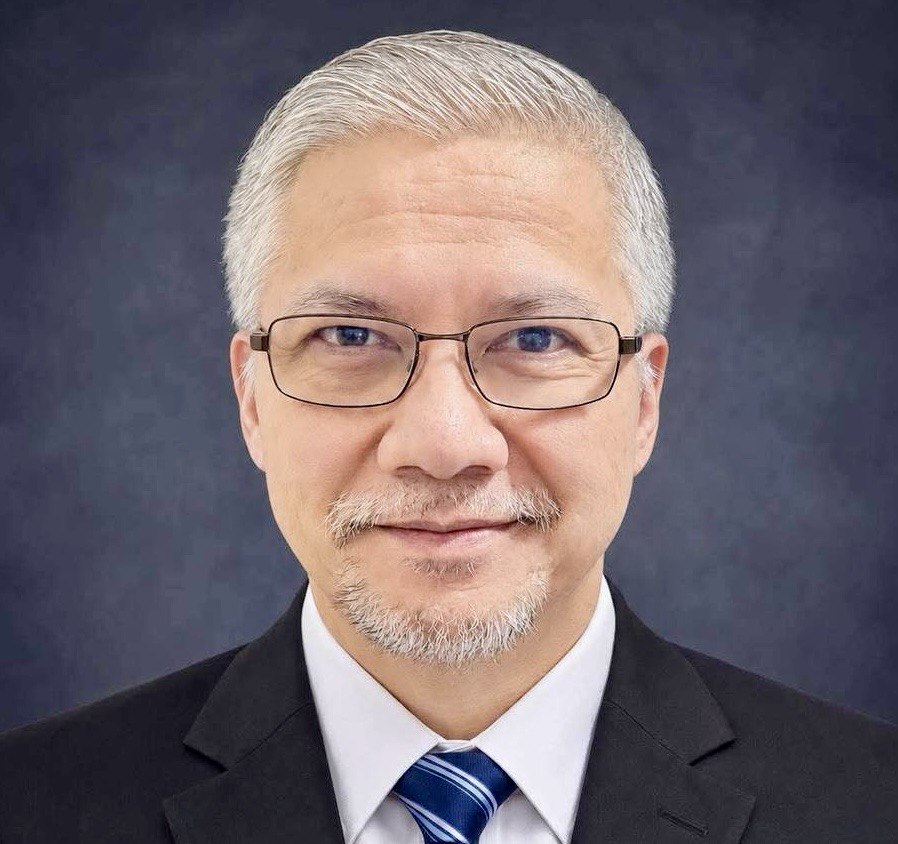
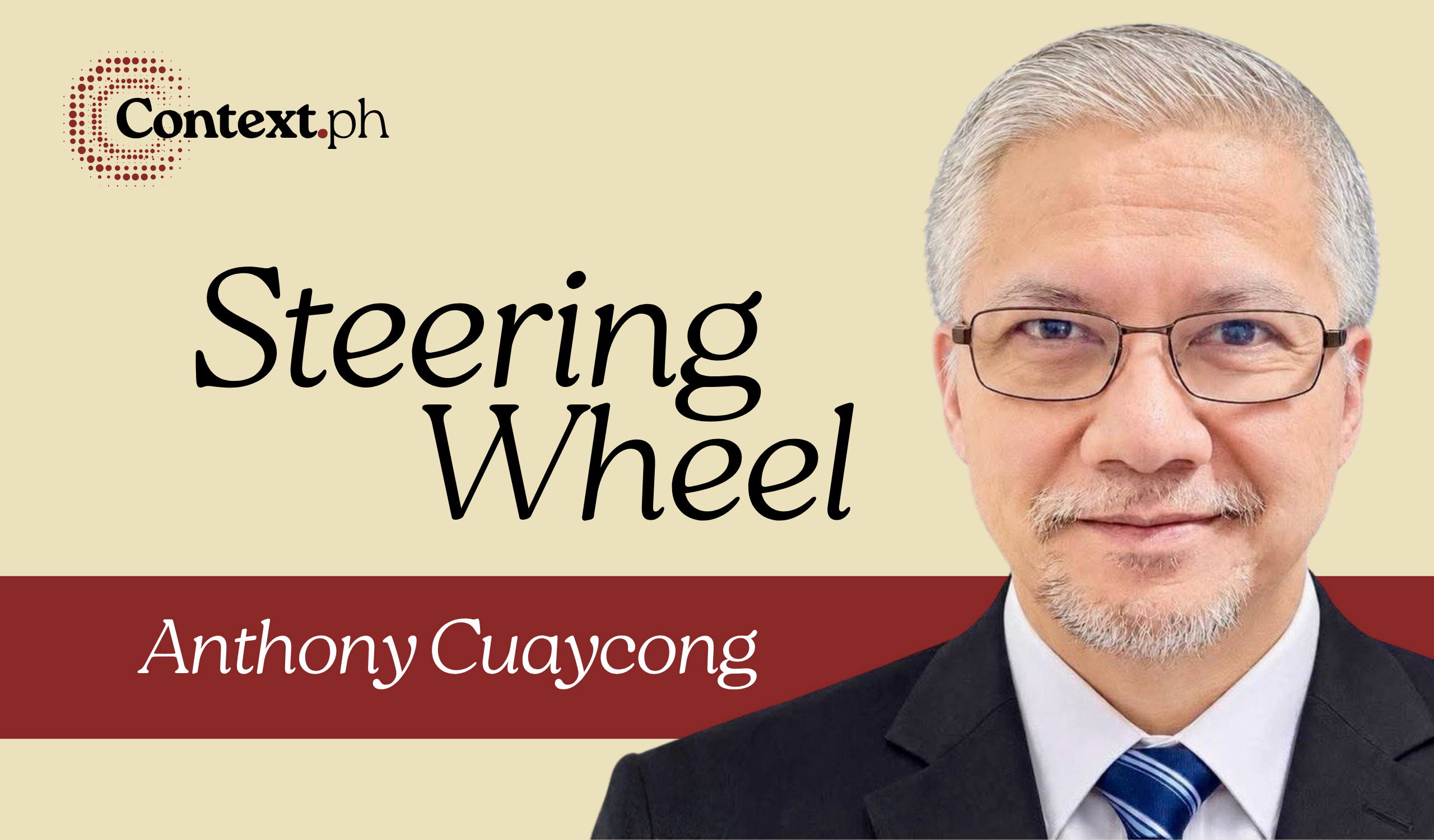
Steering Wheel is a commentary from Anthony Cuaycong, publisher of Context.ph and a longtime motorist who believes cars are meant to get us somewhere, although getting there is often the most complicated part. He follows cars, roads, traffic, technology, and the peculiar habits of people behind the wheel. His views are entirely his own, including the ones formed while looking for parking.