Samsung Electro-Mechanics Philippines (SEMPHIL) is preparing two additional manufacturing investments in Laguna, adding to its previously announced USD1-billion expansion as the electronics industry responds to rising demand for components used in automotive systems, artificial intelligence and high-performance computing.
The Philippine Economic Zone Authority (PEZA) said one of the new projects, valued at about P2 billion, has already been submitted for approval. A second project, which officials expect to be larger, has yet to formally apply.
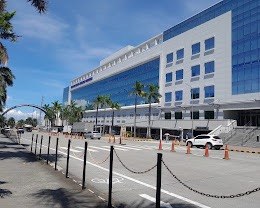
The P2-billion investment would finance a new high-technology manufacturing building at Calamba Premiere International Park, where SEMPHIL already operates. The facility would expand the company’s inductor business, building on manufacturing operations that have been running in Calamba since 2015.
SEMPHIL had produced 20 billion inductors cumulatively by 2019. The component has become increasingly relevant as manufacturers develop electronics requiring more sophisticated power-management capabilities. Samsung Electro-Mechanics has been expanding its component portfolio alongside multilayer ceramic capacitors (MLCCs), targeting applications ranging from vehicles to AI servers.
The new projects would be separate from SEMPHIL’s
P50.7-billion, or roughly USD1-billion, MLCC expansion in Laguna. That investment, which received presidential incentives under the CREATE MORE Act, is expected to generate more than 3,500 jobs.
The planned investments also come as Samsung seeks to broaden its Philippine supply chain. Executives from around 30 Tier 1 suppliers are expected to visit the country in October to examine potential localization opportunities.
PEZA Director General Tereso Panga said the additional projects emerged from the agency’s investment-promotion activities in South Korea, underscoring the Philippines’ effort to attract more electronics manufacturing and deepen local participation in global supply chains.
For Laguna, the developments could mean not only additional production capacity but also a wider ecosystem of suppliers and supporting industries around increasingly sophisticated electronic components.