Intellectual property filings in the Philippines are continuing to grow year-on-year even as seizures of counterfeit goods decline, suggesting a shift in the country’s enforcement landscape as physical markets lose prominence and online platforms face tighter scrutiny.
The Intellectual Property Office of the Philippines (IPOPHL) said applications across intellectual property categories are increasing, led by trademarks, although total filings have yet to exceed last year’s level.
IPOPHL Director General Teodoro Pascua said the agency hopes applications will surpass the previous year’s record.
“We hope it will break all applications that were filed last year,” Pascua said.
Meanwhile, seizures by government agencies under the National Committee on Intellectual Property Rights have fallen from levels recorded four or five years ago. Pascua cautioned, however, that declining seizures should not automatically be interpreted as evidence that counterfeiting itself has fallen by the same proportion.
“But so far, as the years have come, the seizures are decreasing,” he said.
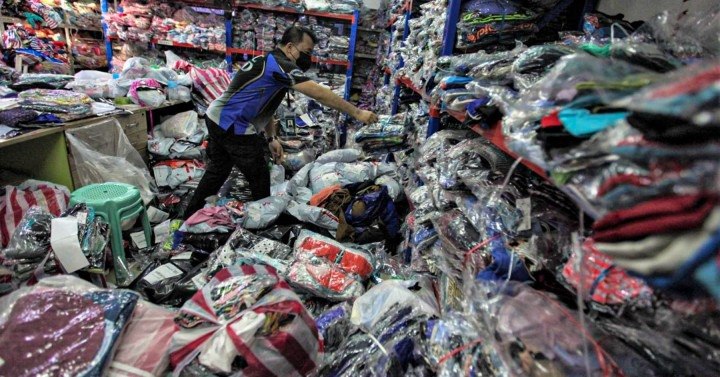
One visible change is at Greenhills, which was previously identified as a major market for counterfeit merchandise. Pascua said the trade there is “already dwindling,” with fake goods becoming less openly displayed.
“So it’s really going down,” he said, adding that IPOPHL continues to maintain an enforcement presence in the area. Some sellers have also shifted toward locally made products.
As enforcement has pressured physical markets, counterfeit trade has increasingly moved online, giving sellers access to consumers across the country. But that channel is also facing greater scrutiny as rights holders and e-commerce companies strengthen cooperation.
More than 120 brands have joined an e-commerce memorandum of understanding involving platforms including Lazada, Shopee and Zalora. The agreement allows platforms to act more quickly on complaints from intellectual property rights holders and remove allegedly infringing listings.
Pascua said the online counterfeit market may now be approaching its last few chapters.
“It’s nearing its sunset online,” he said.
Still, the decline in seizures does not mean counterfeit goods are disappearing. Pascua said eliminating the trade entirely remains difficult because consumer demand is shaped by factors including price and product availability.
The changing pattern points to a broader challenge for IP enforcement: as physical counterfeit markets become less visible, agencies and rights holders must increasingly track and disrupt activity across digital channels while distinguishing enforcement results from the actual size of the underlying counterfeit market.