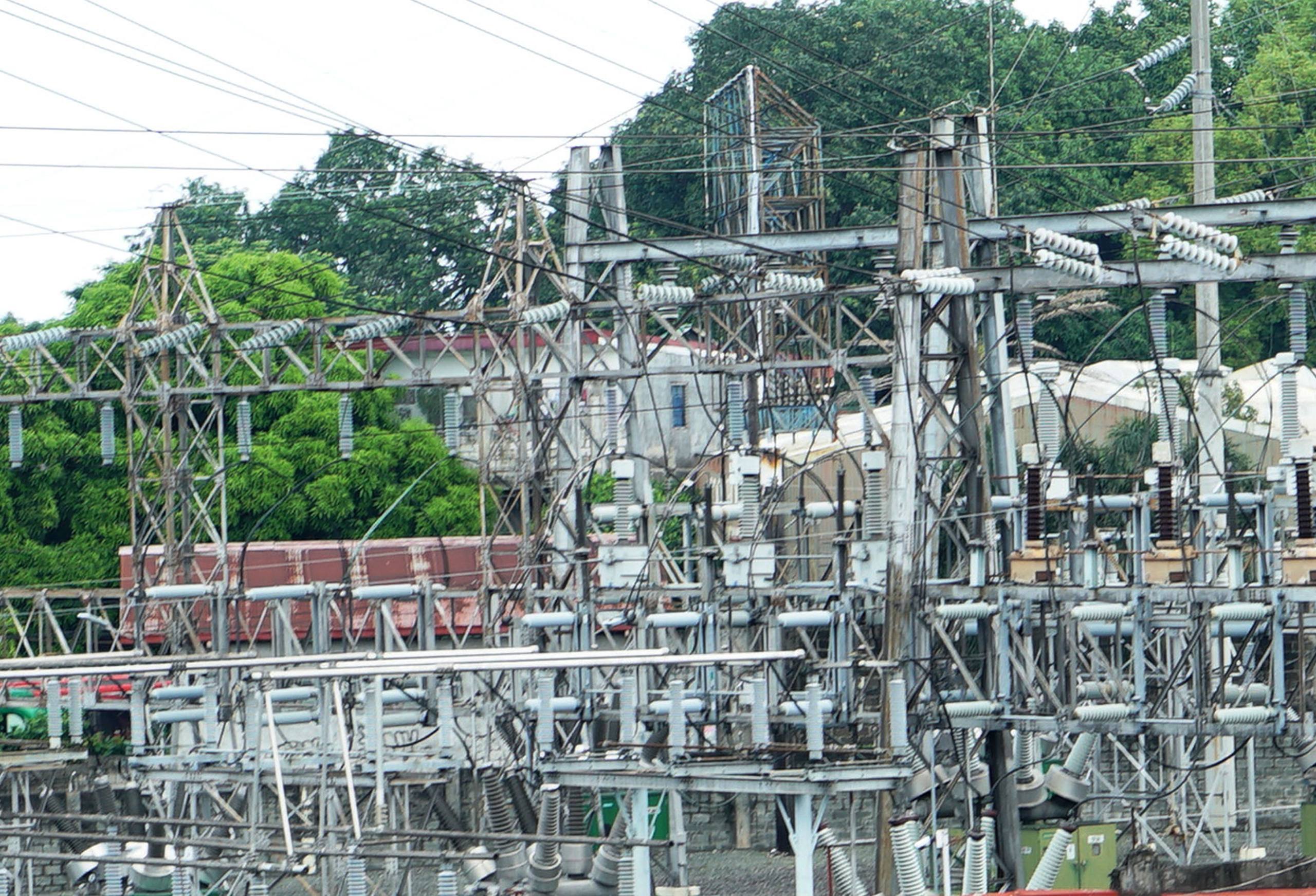
The Philippines’ fast-growing data center industry is running up against a critical challenge: limited and strained power supply, just as operators rush to build more facilities to serve rising demand for cloud services, business digitalization, and artificial intelligence work. That is the latest assessment from BMI, a Fitch Solutions Company, which points to a widening gap between ambitious expansion plans and the reliable, affordable electricity needed to make them real. As of the third quarter of 2026, the country hosts 44 data centers delivering around 140 megawatts of live operating capacity. Another 43 megawatts are currently under construction, and a substantial 221 megawatts remain in the planning stages—numbers that show strong interest in the sector but also lay bare the hurdles ahead. BMI stresses that turning these planned projects into working facilities hinges first and foremost on securing steady, cost-competitive electricity, with successful delivery of renewable energy projects and solid grid connections forming the backbone of that progress.
The issue grows more urgent as data center operators move toward larger, more power-hungry campuses designed to handle heavy AI processing loads. Right now, supply remains centered in Greater Manila and the southern industrial corridor, though investment is slowly reaching nearby provincial hubs. Among major sites, PLDT’s 50-megawatt VITRO Santa Rosa facility stands as one of the nation’s largest. Yet even with a robust project pipeline, BMI warns that announced capacity can take years to translate into usable computing power—and reliable power access will decide whether the Philippines draws more large-scale, or hyperscale, data center investment going forward. The country is competing directly with neighbors including Malaysia, Indonesia, and Thailand for these projects, and can no longer count on overflow demand from markets that have become crowded or fully developed. Instead, it must prove it can deliver consistent electricity, suitable land, and strong infrastructure to win over investors. Its strongest selling points will be giving global firms a chance to diversify their regional footprint and access fast-growing local digital workloads—if power and land needs are met. Government efforts to cut down the time it takes to set up necessary infrastructure, previously a six- to nine-month process when handled independently, could also help smooth progress, according to BMI.