



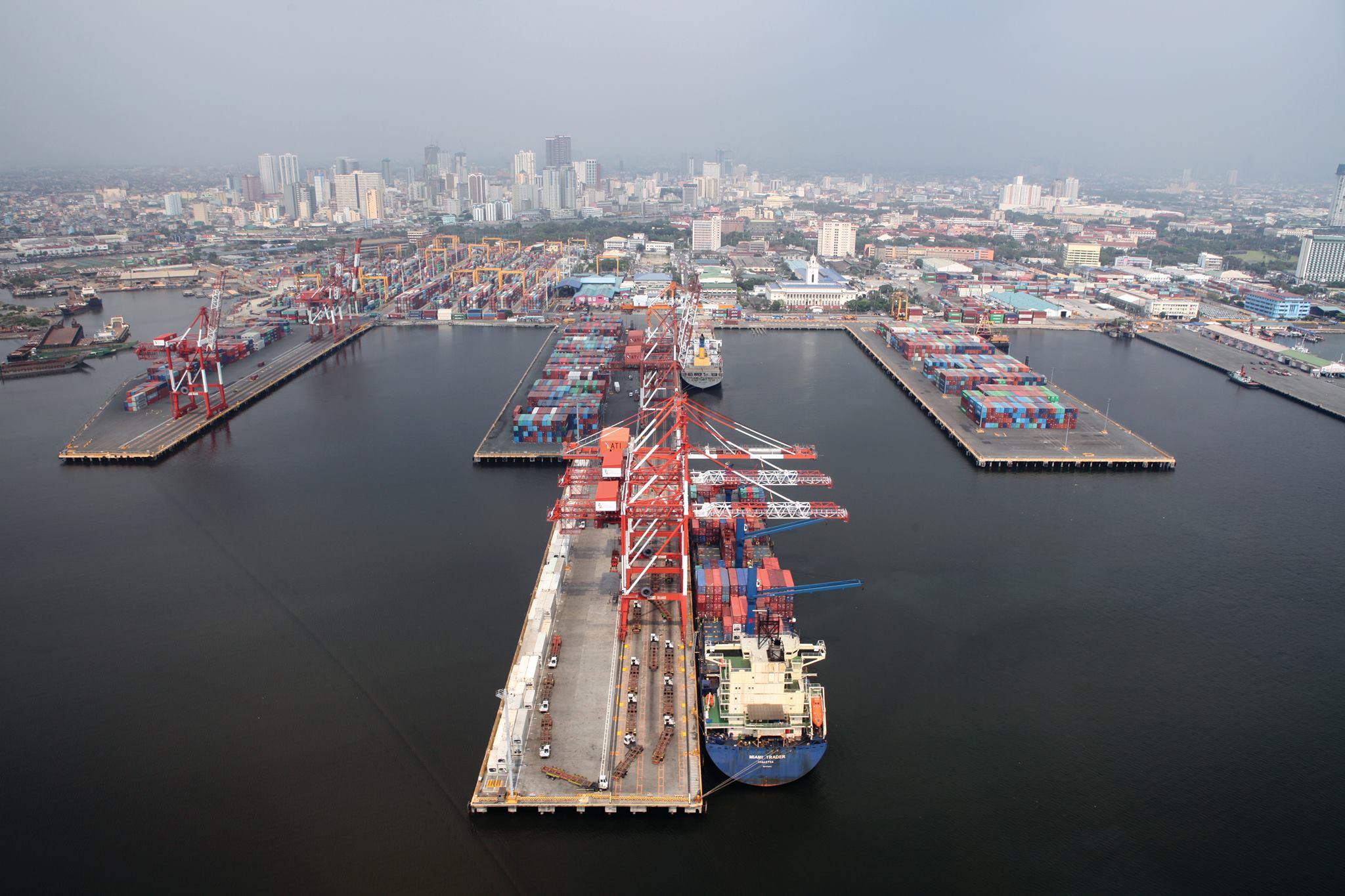
The Philippine Ports Authority (PPA) reported a 3.15‑percent rise in total cargo volume for the first nine months of 2026, showing sustained port activity across the country even as foreign shipments dipped during the third quarter. PPA data put January‑September 2026 cargo throughput at 239.91 million metric tons, up from the 232.57 million metric tons recorded in the same nine‑month period in 2025, signaling that domestic shipping demand continued to buoy overall port operations.
The strong year‑to‑date performance, however, masked a sharp quarterly contraction in cargo throughput for the July‑September period, which fell to 67.19 million metric tons compared with 84.04 million metric tons in the third quarter of 2025. The drop was primarily caused by a steep decline in foreign cargo volume, slipping to 39.68 million metric tons from 56.08 million metric tons year‑on‑year, while domestic cargo throughput posted only a minor dip to 27.51 million metric tons from 27.96 million metric tons in Q3 2025.
PPA’s nine‑month figures also reflected growth in other key port metrics, underscoring the ports’ critical role in moving goods, vehicles, and people nationwide. Container throughput climbed 1.26 percent to 6.48 million twenty‑foot equivalent units (TEUs) from 6.40 million TEUs, while roll‑on‑roll‑off or Ro‑Ro traffic rose 4.46 percent to 10.21 million vehicles from 9.77 million vehicles. Passenger traffic likewise edged up 1.09 percent, hitting 63.75 million passengers compared with 63.06 million passengers in the January‑September 2025 window.
Notably, vessel calls dipped 3.51 percent to 485,472 from 503,126 over the nine‑month stretch. Industry stakeholders said the mixed data highlights the importance of Philippine ports as the backbone of domestic trade and mobility, even as operators and policymakers monitor the slowdown in foreign cargo shipments to address potential challenges for import‑dependent households and businesses.