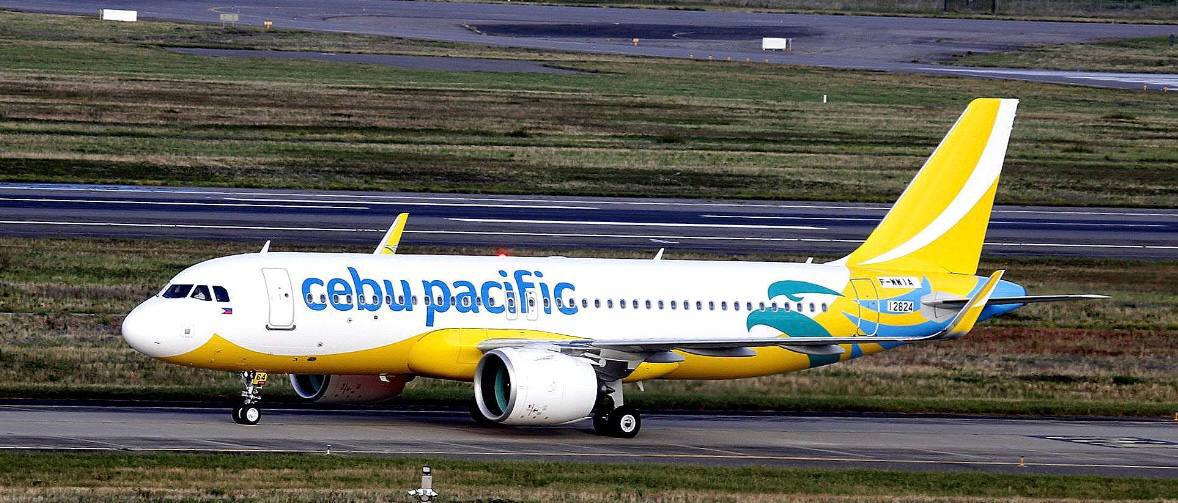
Cebu Pacific has taken delivery of its sixth Airbus A320neo aircraft this year, adding more capacity to meet rising passenger demand during the peak holiday travel season. The airline is set to receive seven A320neo units in total for 2026, with NEO aircraft already making up 78 percent of its jet fleet. These newer‑generation planes burn 15‑20 percent less fuel per flight, cutting carbon emissions and noise while supporting CEB’s fleet modernization plans, according to the carrier’s leadership.
CEB president and chief commercial officer Xander Lao said the new aircraft help the airline prepare for the holiday rush while improving fuel efficiency and operational performance. Cebu Pacific continues to hold a strong domestic market position, lifting its third‑quarter domestic market share to 63 percent from 55 percent a year earlier based on Civil Aeronautics Board data. The airline carried nearly 21 million passengers from January to September, a 4 percent year‑on‑year increase, with domestic traffic rising 5 percent to 15.7 million passengers.
Still, the airline faces steep financial challenges. Cebu Pacific posted a ₱12.8 billion net loss for the January‑September period, widening from the ₱2.4 billion net loss recorded the previous year, even as revenue rose 10 percent to ₱96.2 billion. Elevated fuel prices and foreign‑exchange losses drove the negative results, including a ₱6.9 billion net loss for the third quarter alone as fuel expenses jumped 65 percent year‑on‑year. Cebu Pacific runs one of the world’s youngest fleets, enabling broad network coverage across the Philippines.