A new policy proposal outlines how two domestic transport projects could reshape infrastructure cooperation between the Philippines and China, offering a financially self-sustaining alternative to traditional foreign-funded rail developments.
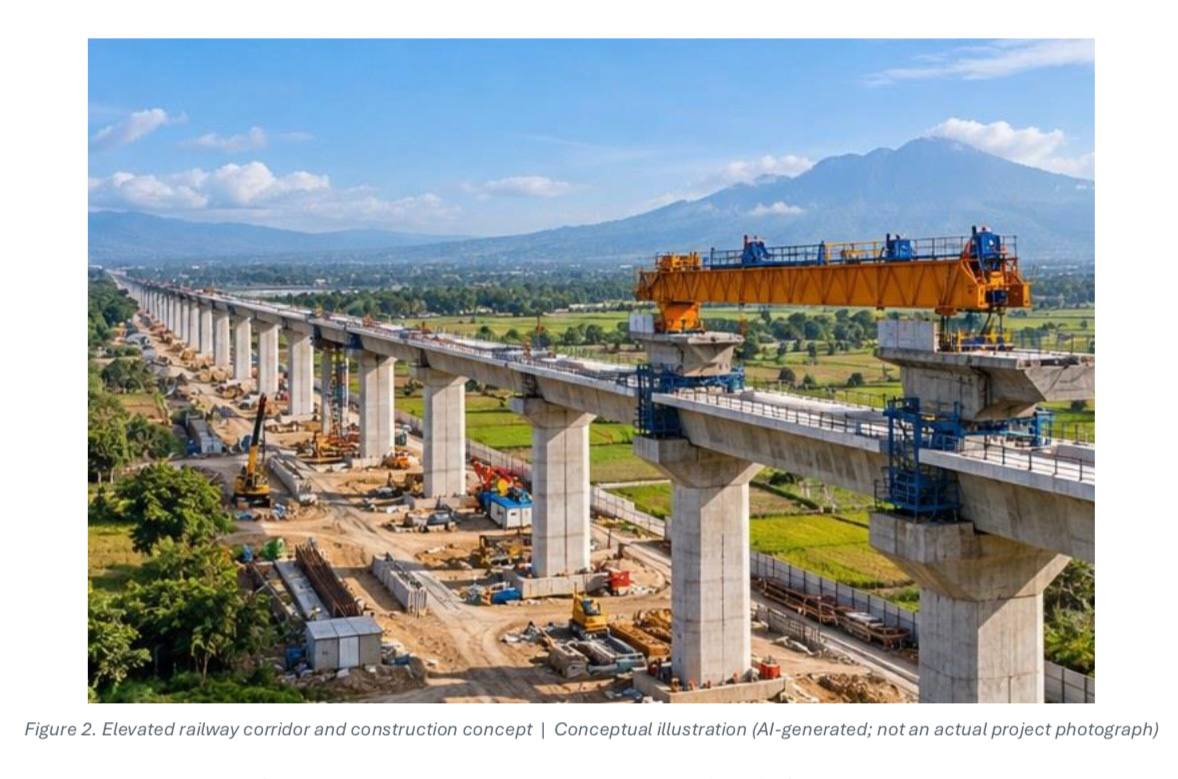
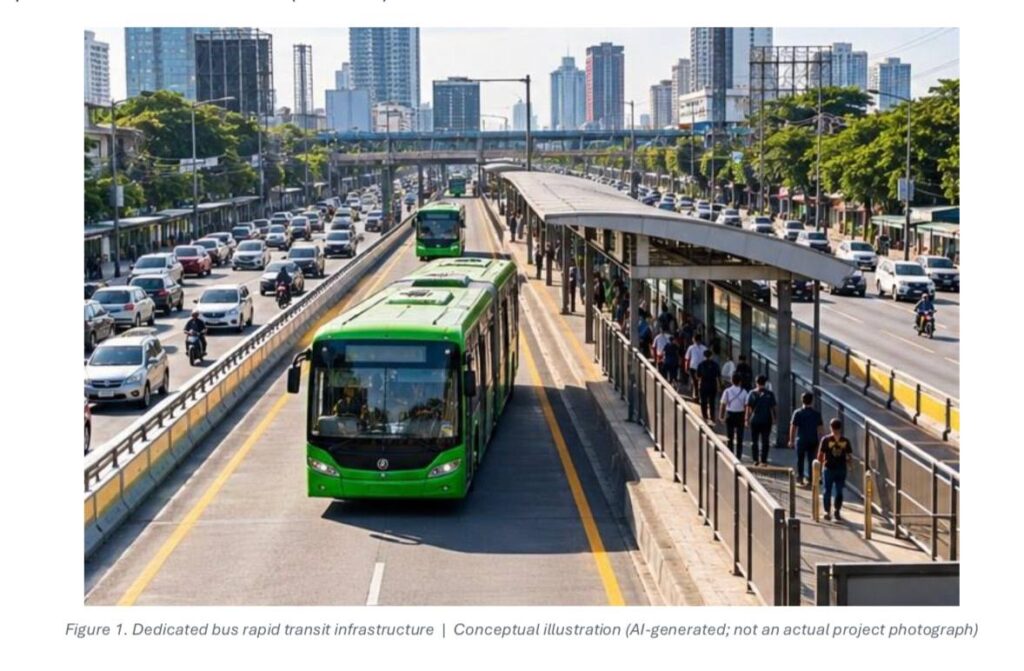
Authored by former transport analyst and investment banker Francis Yuseco, the position paper proposes fixing and expanding the existing EDSA Busway alongside transforming the ground-level space beneath the 148-kilometer elevated Philippine National Railways corridor from Tutuban to Clark Green City into an unimpeded farm-to-market food security hub.
The proposal arrives amid ongoing global debate over how developing nations can modernize their transport networks without taking on unsustainable debt. Since launching the Belt and Road Initiative in 2013, China has financed and built railways, ports, and highways across more than 140 countries, generating significant trade connectivity and economic growth. However, several participating countries have struggled to repay the enormous loans required for these megaprojects. Yuseco emphasizes that sovereign debt distress is not exclusive to Chinese lending, noting that Western and Japanese multilateral and bilateral institutions—including the World Bank, the International Monetary Fund, the Asian Development Bank, and the Japan International Cooperation Agency—have long attached strict loan conditions that leave borrowers financially trapped.
According to the paper, the root of the financial problem lies in the economics of conventional rail systems. Traditional rail trains carry steep construction, operating, and maintenance costs that require perpetual government subsidies to stay afloat. In the Philippines, the long-term decommissioning of major lines operated by the Philippine National Railways and Panay Railways has demonstrated how difficult it is to sustain standard rail infrastructure. To break this cycle, the paper presents a framework developed by Philtrak, Inc. in partnership with the Department of Science and Technology and supported by research from the National Center for Transport Studies.
Called the Philippine National Digital Logistics Integrated Backbone, the framework relies on existing Philippine rail charters, which permit the operation of all forms of land transport rather than restricting corridors strictly to conventional trains. By deploying Department of Science and Technology-certified road trains—multi-carriage rubber-tired vehicles running on dedicated cemented trackways—the system is projected to cost roughly 95 percent less than traditional rail while remaining completely free of government subsidies.
Under the proposed double-deck concept, China could contribute its high-speed bullet train technology on an elevated upper deck, while the street-level corridor below operates as a multi-use transit and logistics grid. Rather than leaving the space beneath elevated tracks idle, the corridor would be enclosed by a protective perimeter wall and divided into dedicated lanes for passenger and cargo road trains, electric shuttle buses, and commercial facilities. Digital stations equipped with security screening, convenience stores, banks, and service centers would manage all entry and exit, generating steady non-fare revenue.
By combining high-speed rail expertise with a revenue-generating ground-level corridor, the two pilot projects are framed as an equal partnership rather than a conventional lender-borrower arrangement. Yuseco notes that if the model proves successful in the Philippines starting in 2027, China could adopt similar ground-level commercial and agricultural hubs beneath its own elevated railways and international Belt and Road projects, using the extra income streams to offset heavy construction expenses and prevent future debt crises.