Philippine outsourcing companies are becoming more cautious about committing to traditional office space, increasingly linking expansion to secured client accounts and actual staffing requirements, a shift driving stronger demand for flexible workspaces.
Property consultancy Colliers said flexible workspace seat take-up in Metro Manila surged 185 percent in the first nine months of 2026, reflecting the industry’s growing preference for lower upfront costs, faster deployment, and greater operational flexibility.
In its third-quarter 2026 BPO situationer, Colliers said flexible workspace net take-up reached approximately 7,600 seats from January to September. Providers leased about 64,000 square meters, up 48 percent year-on-year, although the figures include demand from industries beyond outsourcing.
The shift comes against a broader slowdown in office leasing. Metro Manila office transactions fell 26 percent to approximately 500,000 square meters during the period, with IT and business process management (IT-BPM) companies accounting for 197,000 square meters.
Of this, third-party outsourcing firms accounted for 161,000 square meters, while global capability centers (GCCs) contributed 36,000 square meters.
“This suggests that BPO growth is not disappearing,” Colliers said, noting that expansion is increasingly tied to confirmed programs and immediate workforce requirements rather than speculative capacity building.
Fitted and managed offices offer an alternative to conventional leases, allowing outsourcing companies to avoid substantial initial spending on construction, furniture, and other workplace requirements while getting new accounts operational more quickly.
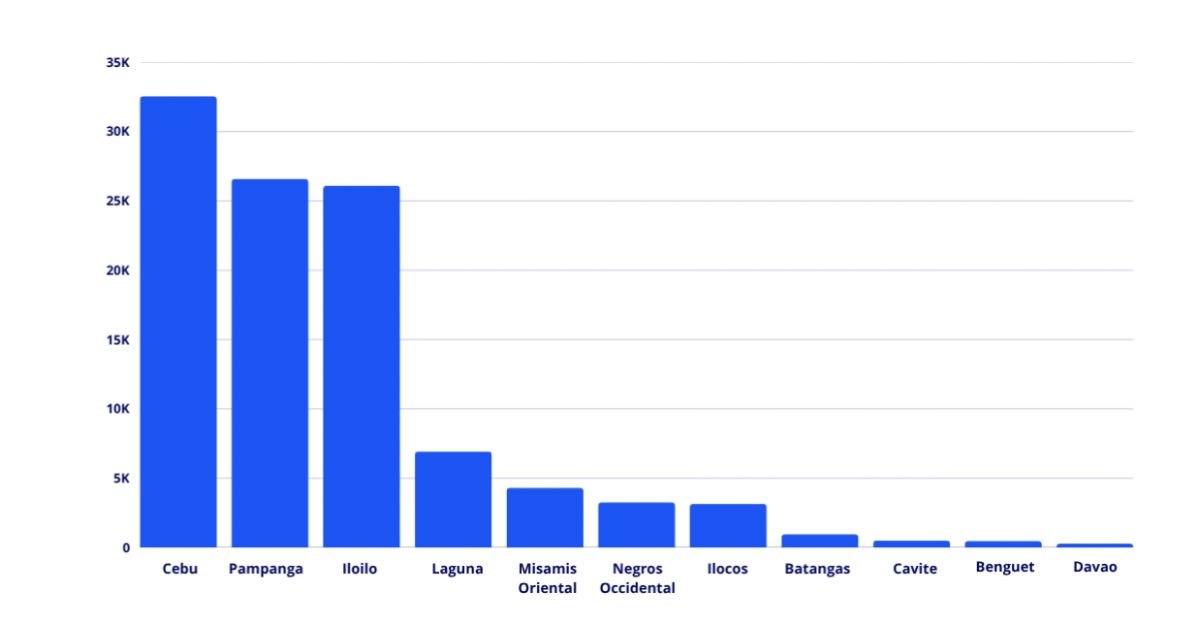
Provincial office leasing has also become more selective. Transactions across all occupier groups dropped 50 percent to approximately 105,000 square meters, with Cebu, Pampanga, and Iloilo among the leading markets.
Colliers also cautioned that artificial intelligence could allow outsourcing companies to increase productivity without proportionate headcount growth, shifting demand toward specialized talent and technology-ready workplaces.
For landlords, the changing requirements favor fitted inventory, flexible lease arrangements, and reliable infrastructure. Available flexible workspace seats in Metro Manila carried indicative monthly prices of P8,000 to P29,000, highlighting the range of options available to occupiers seeking to control costs.