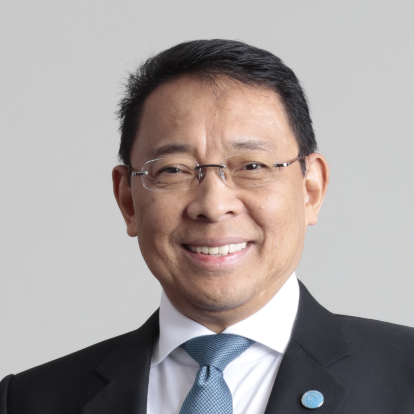
The Philippines is edging closer to stagflation as high inflation, slowing economic growth, and rising unemployment increasingly weigh on households and businesses, former Bangko Sentral ng Pilipinas (BSP) deputy governor Diwa Guinigundo warned.
While the economy has yet to meet the textbook definition of full-blown stagflation, Guinigundo said the symptoms are already visible and demand urgent government action to prevent a deeper slowdown.
In an interview with radio station DZMM, he pointed to inflation accelerating to 7.8 percent in October from 7.2 percent in September, while economic growth decelerated for three consecutive quarters, reaching just 2.1 percent in the third quarter. Unemployment also climbed to 5.4 percent.
“The signs are getting more visible,” said the former central bank official, noting that the simultaneous squeeze from rising prices and weakening economic activity threatens household purchasing power and business revenues.
Guinigundo warned that weaker consumer spending could create a vicious cycle. With consumption accounting for about 70 percent of gross domestic product, households forced to cut purchases because of higher prices or lost jobs could leave businesses with unsold inventories, prompting further layoffs.
He urged the BSP to maintain a sufficiently tight monetary policy to prevent inflation from spiraling further, while calling on the government to step up fiscal spending to generate jobs and stimulate demand.
A priority, he said, should be restarting ready-to-implement infrastructure projects stalled by the fallout from the flood control corruption scandal and restoring delayed capital expenditures.
He also called for more aggressive action against food inflation, including imports when necessary, removing supply bottlenecks, and improving farm-to-market roads, logistics, storage, and cold-chain facilities.
To cushion oil price shocks, he proposed regional petroleum supply arrangements with other ASEAN countries.
But monetary and fiscal measures alone will not be enough, Guinigundo said. The government must also address corruption, red tape, high power costs, and infrastructure deficiencies that discourage investors.
With only two years left in the administration, he said the priority should be execution, not another round of reshuffling economic managers.
“The important thing is execution,” said Guinigundo, warning that without decisive leadership, the country could spend the remaining two years merely muddling through.