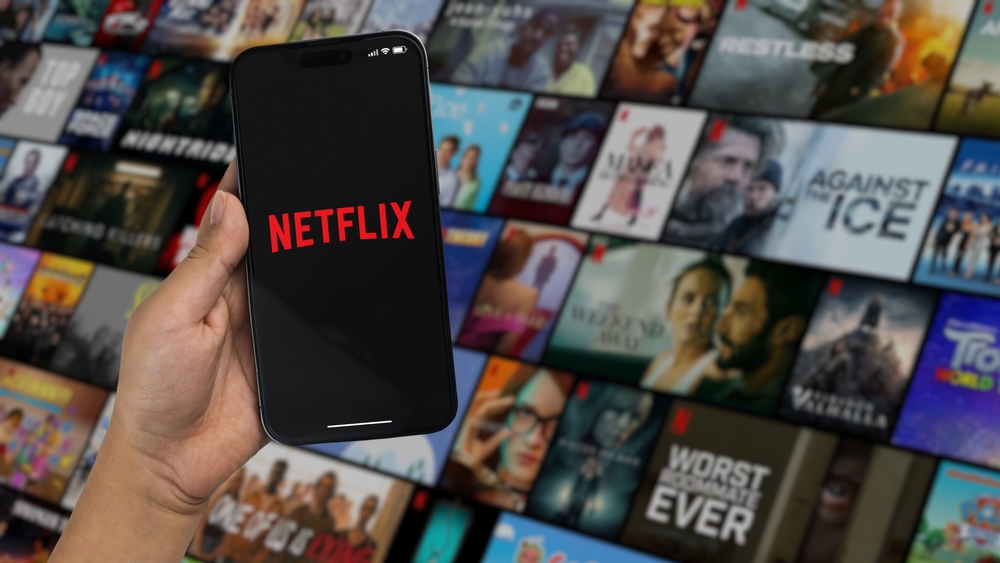
Netflix’s bold move to acquire Warner Bros. from Warner Bros. Discovery (WBD) in a USD82.7-billion cash-and-stock deal sent shockwaves through Hollywood on Friday, along with a jolt of anxiety on Wall Street.
The blockbuster transaction, valued at USD27.75 per WBD share, will close after WBD completes the spin-off of its Global Networks division Discovery Global into a separate listed company in the third quarter of 2026. The deal absorbs Warner Bros.’ storied film and TV studios, HBO and HBO Max into Netflix’s global streaming empire, creating a content titan with unrivaled depth, reach and brand power.
But investors are split. Netflix shares slid nearly 3 percent as markets weighed the staggering acquisition cost and the substantial debt Netflix will assume to finance it. WBD stock jumped more than 6 percent, with investors cheering what many see as a lifeline and a transformational exit for a company long squeezed by debt, legacy operations and streaming losses.
“This lets us entertain the world even better,” Netflix co-Chief Executive Officer Ted Sarandos said, hailing Warner Bros.’ library—from Casablanca and Citizen Kane to Harry Potter and Friends—as a century of storytelling that will now bolster Netflix’s global content engine.
Co-CEO Greg Peters said the combination would “accelerate our business for decades,” adding that Netflix aims to expand U.S. production capacity and expects USD 2–3 billion in annual cost savings by year three—an estimate investors are scrutinizing.
WBD chief David Zaslav called the merger a uniting of “two of the greatest storytelling companies,” positioning Warner Bros.’ creative legacy to reach more audiences worldwide through Netflix’s vast subscriber base.
Under the agreement, each WBD shareholder will receive USD23.25 in cash and USD4.50 in Netflix stock, subject to a price collar. Boards of both companies have unanimously approved the deal, which still requires regulatory clearance and a WBD shareholder vote.
If completed in 12–18 months, the merger will redraw the global streaming landscape—concentrating power, content and risk in a single, supersized entertainment giant.