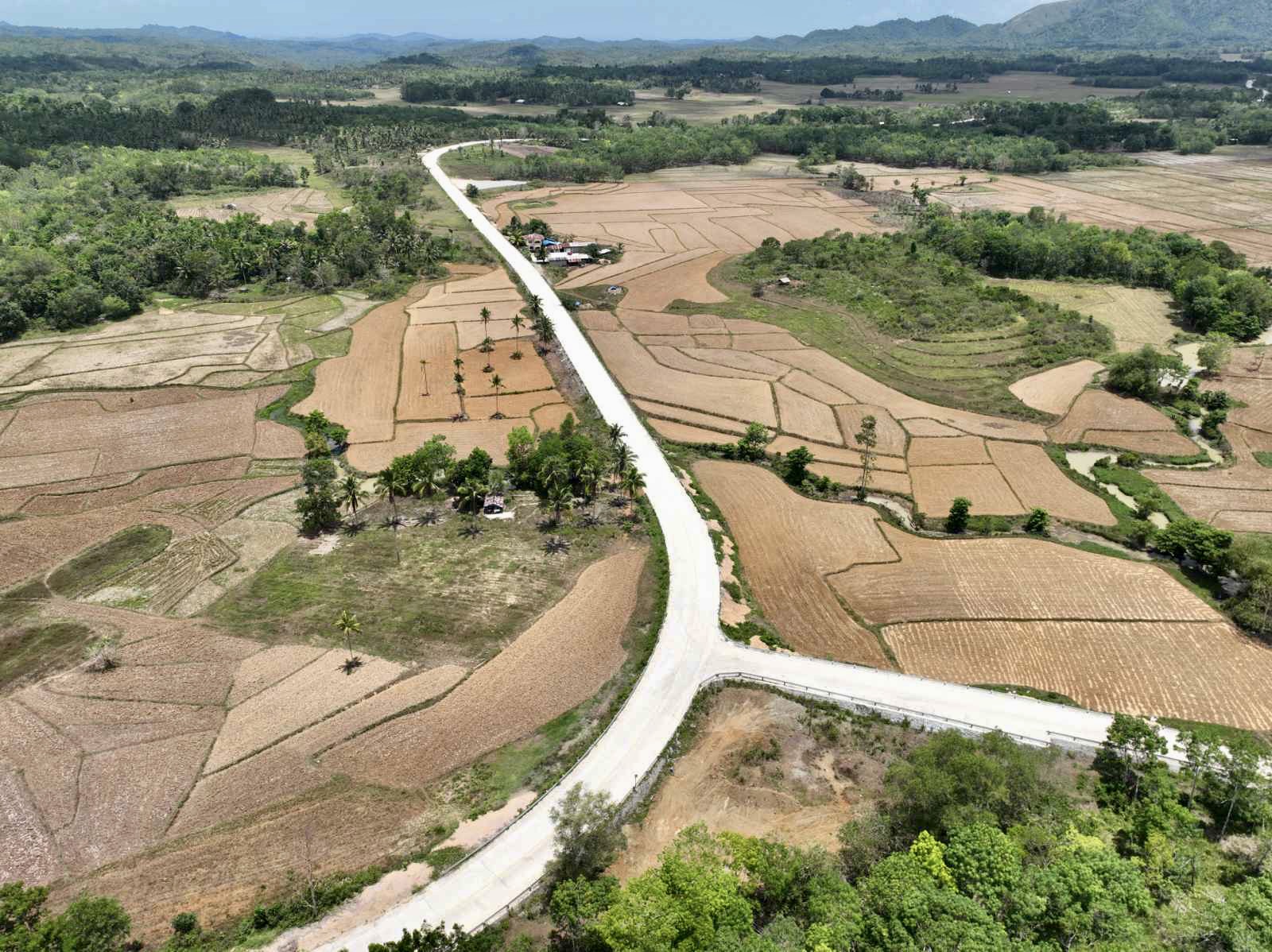
Agriculture Secretary Francisco P. Tiu Laurel Jr. is pushing an aggressive farm-to-market road (FMR) buildout in Mindanao, betting that hundreds of billions of pesos in untapped agricultural value can finally be unlocked once long-isolated farmlands are connected to commercial hubs.
The Department of Agriculture (DA) regains full control of the FMR program next year, and Tiu Laurel said preparations are underway for roads that will cut through some of the country’s most promising—but chronically underutilized—food production zones, including wide tracts in Sultan Kudarat and the vast Liguasan Marsh.
“Once we build it—like now—we want to put ₱2 billion into a single road in Sultan Kudarat that will open up 32,000 to 35,000 hectares of new farmland,” the DA chief said. “These areas aren’t being used now because there’s simply no road.”
Liguasan Marsh, he added, could deliver an even larger windfall, with up to 300,000 hectares recoverable once road networks are in place.
Beyond basic access, the DA plans to reinforce these corridors with post-harvest facilities under the World Bank–funded Philippine Rural Development Project (PRDP). The program will roll out cold storage units, dryers, silos, and logistics links to ports and emerging agri-ports—facilities Tiu Laurel says are essential for lowering production costs and raising farmer incomes.
To prepare for the transition, the DA has organized a dedicated FMR unit. It also plans to roll out a transparency system featuring time-lapse cameras, a farm-to-market portal, and memorandums of understanding with farmer cooperatives to help monitor project progress.
“It’s not rocket science to build a farm-to-market road,” Tiu Laurel said. “But we need people’s help to monitor those projects. Technology will also help.”
Still, he warned that politics will complicate the rollout. Every mayor, congressman, and senator wants a road in their constituency, he said, even as the national master plan shows a 60,000-kilometer backlog and funding for only about 2,000 kilometers next year. “It’s really a negotiation,” he noted. “We have to filter because the budget is never enough.”
Despite the constraints, Tiu Laurel remains bullish that Mindanao’s farm corridors are central to long-term food security. “These roads are in front of the people—they will be used,” he said. “And once they open new farmlands, the whole country benefits.”