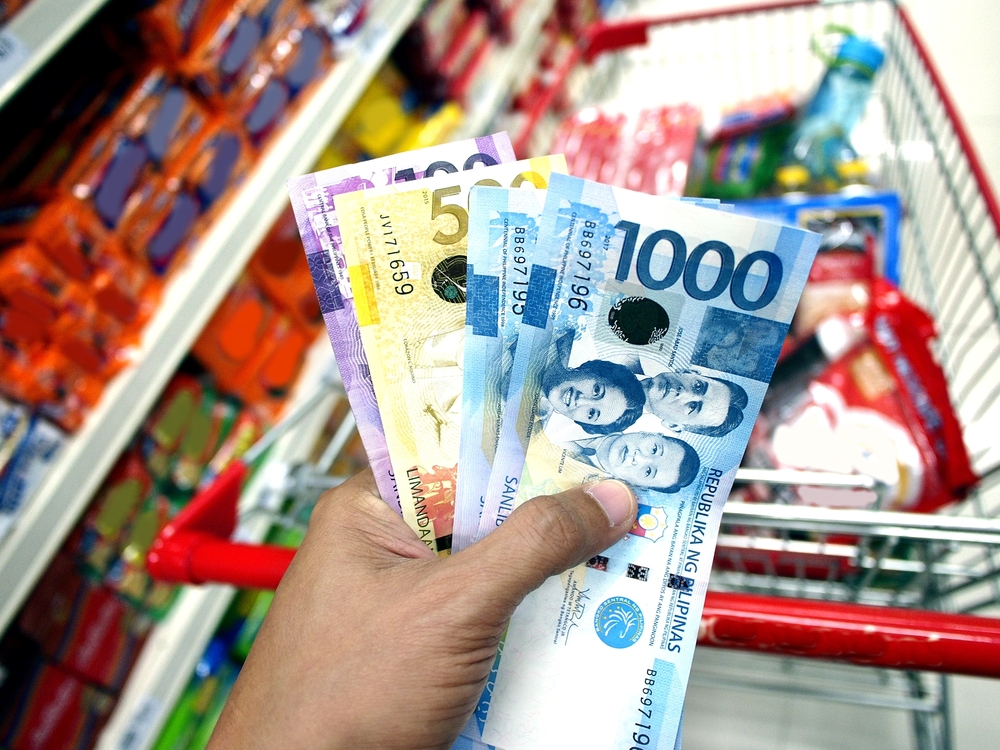
Filipinos are closing 2025 with steady finances, balancing optimism with cautious spending, according to TransUnion’s Q4 2025 Consumer Pulse Study. While everyday costs remain a concern, households are managing their money more deliberately.
About 42 percent of consumers reported income growth in the past three months, and 41 percent saw no change. Looking ahead, 75 percent expect their income to rise in the next year, and 80 percent are confident about their household finances.
Despite this optimism, spending remains cautious. Inflation (81 percent), job stability (57 percent), and interest rates (45 percent) continue to shape budgeting decisions. Many households have reduced discretionary spending—47 percent are dining out or traveling less, 25 percent cut back on digital services, and half plan to spend less on holiday shopping than last year.
Filipinos also anticipate rising bills and medical costs, but most are avoiding large purchases like appliances or vehicles. “Consumers are participating in the economy on their own terms, spending more thoughtfully,” said Weihan Sun, TransUnion’s Asia Pacific research principal.
Credit use is evolving as well. While 58 percent consider access to credit important, borrowing is becoming more intentional. Fewer consumers plan to apply for or refinance credit, and preferences are shifting toward smaller, flexible products like personal loans (49 percent) and buy now, pay later options (35 percent).
To support financial literacy, TransUnion has partnered with the Bangko Sentral ng Pilipinas to offer interactive credit education through the BSP E-Learning Academy starting next year. The initiative aims to help Filipinos make informed financial decisions and strengthen long-term resilience.
The study surveyed 961 adults from September 25 to October 15, 2025, across all generations, providing insights on income, debt, and financial behavior.