Facing a dip in foreign visitor arrivals, the Philippines is rolling out a high-stakes tourism pitch by hosting the ASEAN Tourism Forum (ATF) this month—using Cebu as both stage and symbol of a hoped-for rebound.
Tourist arrivals from January to November fell 2.16 percent to 5.35 million, Department of Tourism data showed, underscoring a recovery that has lost some steam amid stiff regional competition and lingering global travel uncertainties. Against this backdrop, the return of ATF to the Philippines after a decade is less celebration than strategy: a bid to reclaim attention, deals, and confidence in a crowded Southeast Asian tourism market.
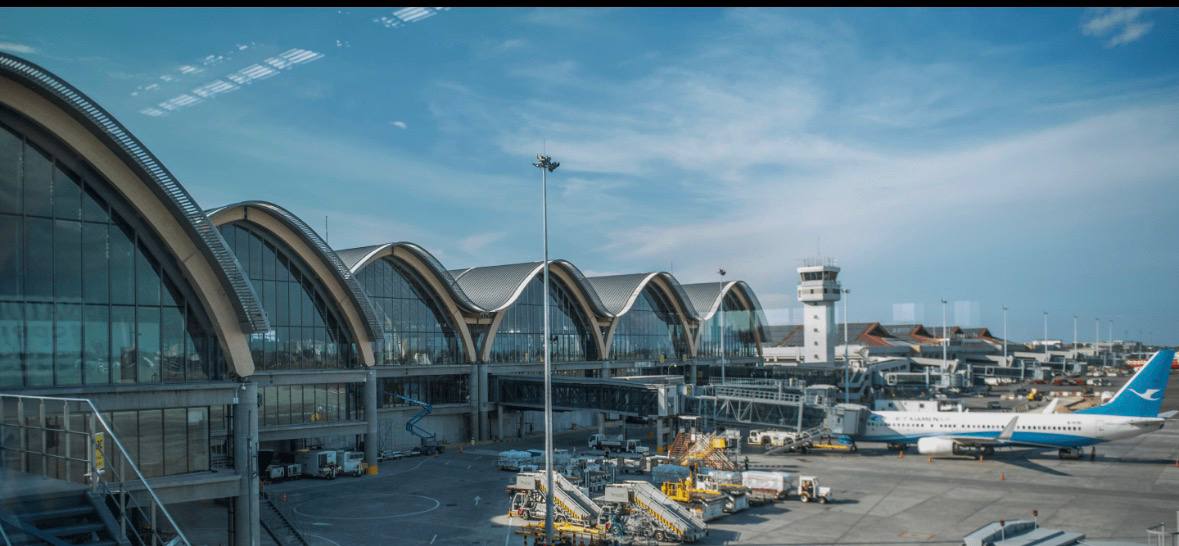
Cebu’s selection as the main venue is deliberate. One of the country’s most established tourism hubs, it boasts strong air connectivity, a mature hospitality sector, and experience hosting large-scale international events. It is also a province eager for revival after being battered by a series of calamities in 2025 that disrupted travel flows and tested infrastructure. Showcasing Cebu allows the government to highlight not just beaches and resorts, but resilience and readiness.
Scheduled from January 27 to February 4, ATF brings together tourism ministers, national tourism organizations, and industry leaders from the 10 ASEAN member states.
The forum’s commercial core is the ASEAN Travel Exchange (TRAVEX), running January 28 to 30 in Mactan Island, where Philippine tourism sellers will meet international buyers and investors in pre-arranged business sessions—a crucial channel for turning visibility into bookings.
The agenda reflects a sector under pressure to evolve. Discussions on sustainable tourism, digital innovation, and shifting travel preferences acknowledge that recovery is no longer just about volume, but value and resilience. Cultural showcases and social events will also promote ASEAN as a unified, multi-country destination.
Ultimately, ATF is a visibility play with economic ambitions. The challenge for the Philippines is ensuring the buzz translates into sustained arrivals—long after the delegates fly home.