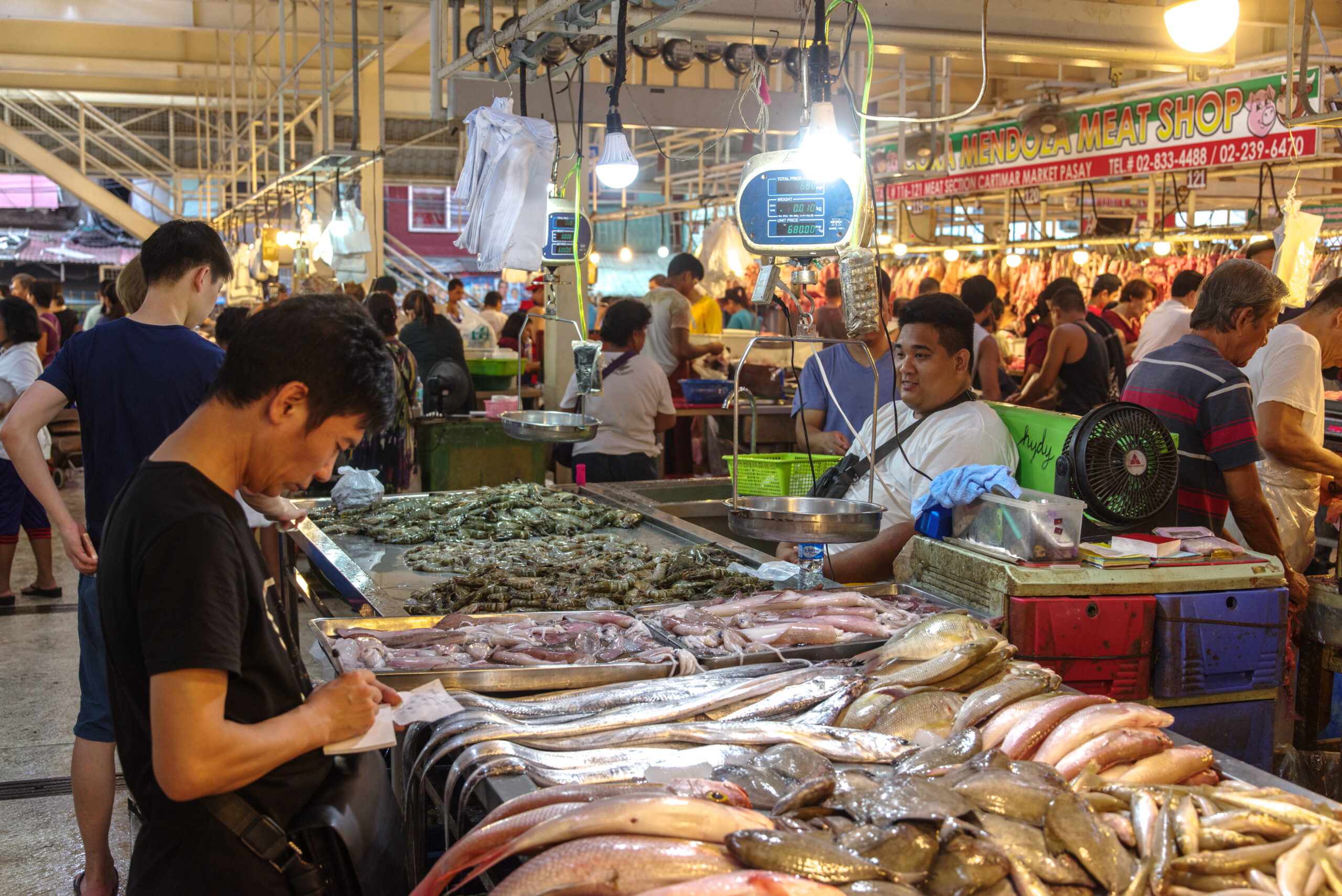
Retail food prices in the Philippines opened 2026 on a mixed note, with staples such as rice, chicken, and fish edging higher, while red onion prices eased from December spikes—highlighting uneven supply dynamics as the market adjusts after the holidays.
Data for the first phase of January 2026 (January 1 to 5) showed the national average retail price of regular milled rice rose to P43.39 per kilo, up from P42.10 in the second phase of December and P41.38 in early December. The month-on-month uptick suggests lingering pressure from logistics costs and seasonal demand.
Still, rice prices remained sharply lower than a year ago, falling from P48.12 in mid-January 2025 and P48.50 in early January 2025, reflecting the impact of heavy imports and government market interventions.
Protein prices, however, told a different story. Dressed chicken averaged P213.88 per kilo, higher than P212.40 in late December and P210.67 earlier in the month. Unlike rice, chicken prices also rose year-on-year, exceeding January 2025 levels of P211.24 and P212.20, pointing to tighter supply and higher production costs feeding into retail prices.
Fish prices climbed even faster. Tilapia averaged P189.22 per kilo in early January, up from P184.11 in late December and P182.68 earlier in the month.
The increase was also pronounced on an annual basis, well above January 2025 prices of P177.98 and P178.62, suggesting sustained supply constraints in aquaculture amid weather-related disruptions.
In contrast, red onion prices cooled after sharp December surges. The average retail price fell to P205.61 per kilo, down significantly from P231.53 in late December and P245.52 in early December. Even so, onion prices remained far higher than year-ago levels of P153.70 and P149.72, underscoring the commodity’s volatility.
Overall, the data point to easing inflation pressure on rice but persistent strain on protein and vegetable supply chains. For policymakers, the challenge is preventing temporary price relief from masking deeper vulnerabilities—especially as weather risks and input costs continue to shape food prices into the rest of 2026