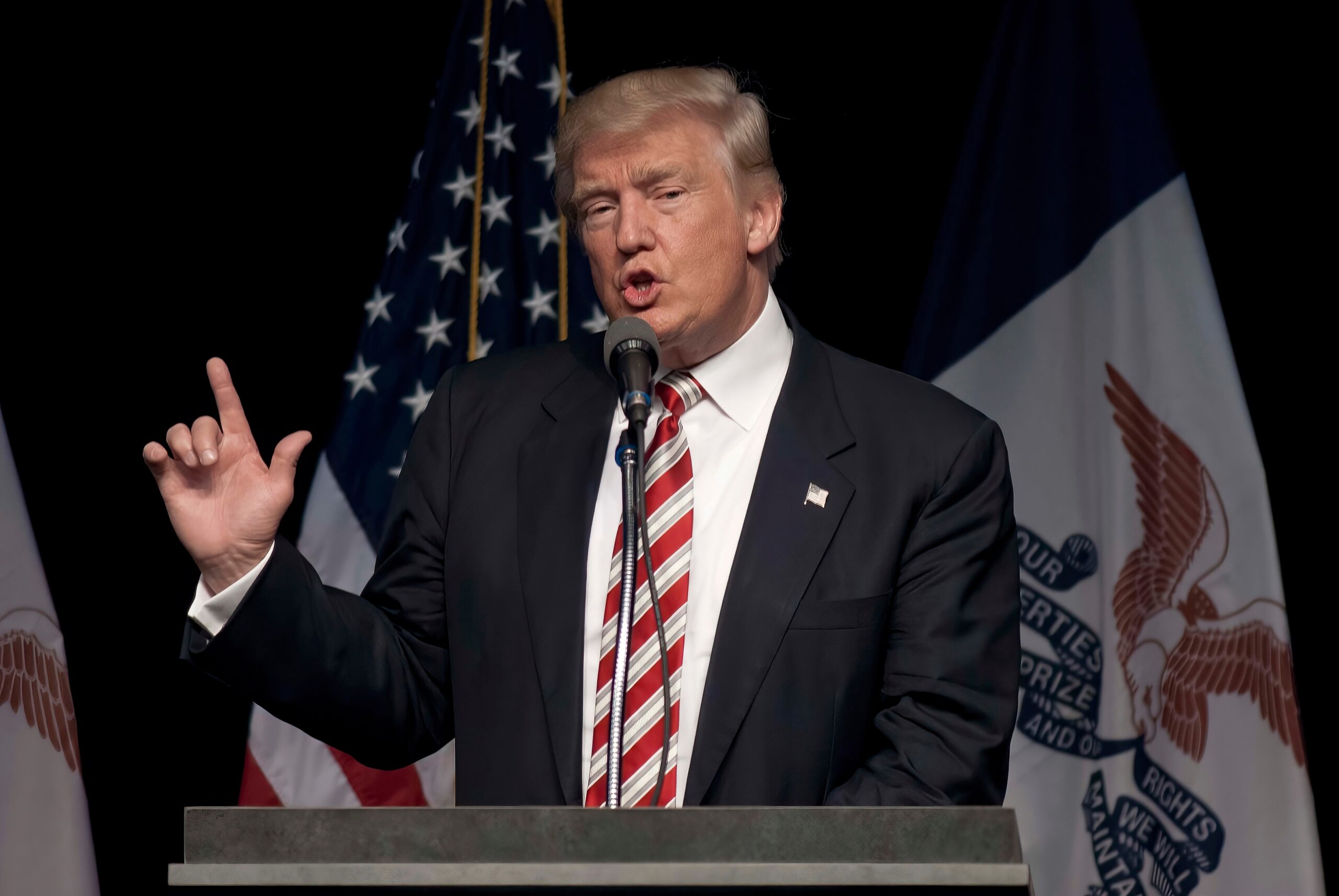
In a move that could redraw the map of global climate governance, the Environmental Protection Agency has rejected its 2009 determination that greenhouse gases endanger human health and welfare, a scientific and legal cornerstone that has underpinned US climate policy for more than a decade.
By rescinding the so called endangerment finding, President Donald Trump has effectively stripped the federal government of its authority to regulate carbon dioxide, methane and four other heat trapping gases under the Clean Air Act.
The reversal dismantles a ruling first adopted during the administration of Barack Obama, when the EPA concluded six greenhouse gases posed a threat to public health and welfare. That finding became the legal lynchpin for emission standards across the economy, from cars and trucks to power plants, oil fields, landfills and even aircraft.
Calling the repeal the largest deregulation in American history, the White House framed the decision as an economic reset. Officials argue it will save more than 1 trillion dollars in compliance costs and cut vehicle prices by roughly 2,400 dollars per car, easing pressure on automakers and consumers.
Trump, who has long dismissed climate change as a hoax, described the Obama era rule as a disastrous policy that inflated prices and undermined US manufacturing.
Environmental groups counter that the savings are speculative and the risks tangible. Analysts warn the rollback could result in trillions of dollars in additional fuel costs over time as vehicles become less efficient, alongside tens of thousands of premature deaths linked to air pollution. Critics say the decision sidelines decades of scientific consensus that rising greenhouse gas concentrations are intensifying heat waves, droughts and wildfires.
The implications stretch far beyond Washington. The 2009 finding insulated companies from certain climate lawsuits by centralizing regulatory authority at the federal level. Its removal may unleash a wave of state level litigation and stricter regional standards, creating a fragmented compliance landscape for multinational corporations. Ironically, while dismantling the federal rule, the administration relied on it to pre empt tougher state laws, a legal contradiction that could shape upcoming court battles.
For global markets, the signal is equally stark. US automakers now face a strategic bind. They can build less fuel efficient cars for a deregulated domestic market, or align with stricter overseas regimes where climate standards are tightening. Investors weighing long term climate risk may interpret the decision less as deregulation and more as regulatory whiplash.
At its core, the EPA reversal reframes not just US environmental law but America’s posture in a warming world. Whether it delivers economic revival or legal and climatic turbulence will hinge on the courts and on whether markets believe science or politics sets the thermostat.