The Department of Agriculture (DA) said current imported onion stocks are not enough to cause a major drop in red onion prices, following complaints from farmers in Nueva Ecija.
Farmers earlier reported that imported onions were piling up in cold storage facilities in Central Luzon and were dragging down farmgate prices. In response, Agriculture Secretary Francisco P. Tiu Laurel Jr. ordered the Bureau of Plant Industry (BPI) to review the data and assess the situation.
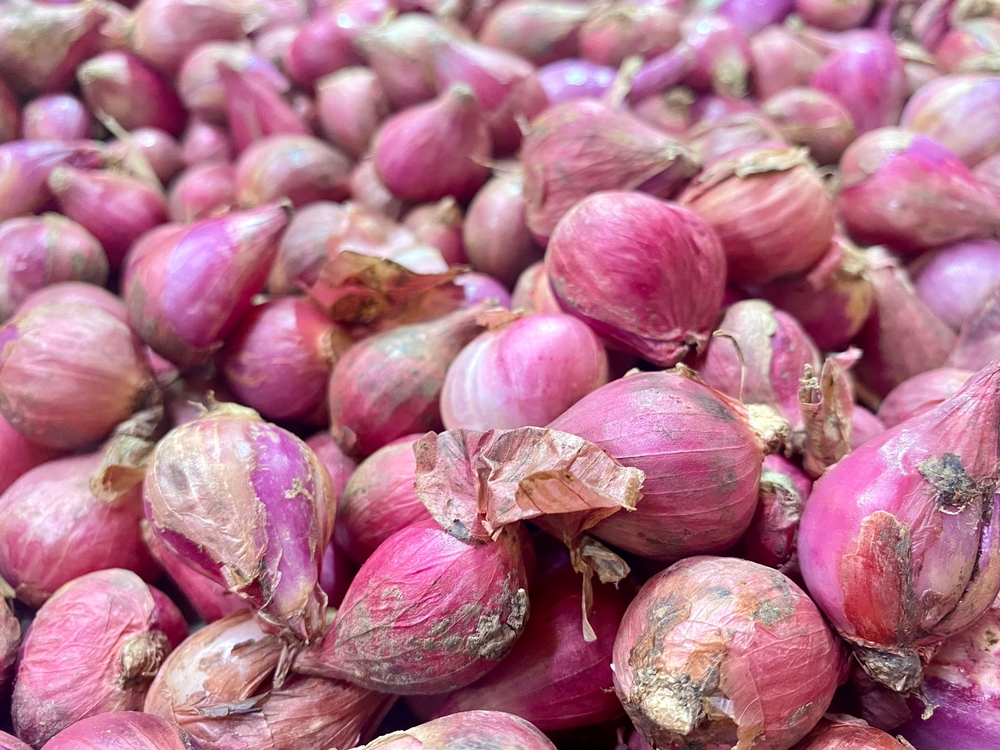
Using its monitoring system, the One-Stop Industry Revitalization and Information System (OSiRiS), the BPI found that as of February 13, cold storage warehouses were holding about 4,454 metric tons (MT) of red onions and 5,271 MT of yellow onions. Nearly all of these were imported. The average warehouse price of red onions was P30.36 per kilo.
Based on current inventory levels, red onion stocks are expected to last only until February 19, while yellow onions may last until March 15. The DA said that even if the remaining 8,000 MT of imported red onions—covered by import clearances valid until February 15—arrive within the month, supplies would likely last only until March 6. This timing coincides with the expected peak of the local harvest season in March and April.
The DA noted that local red onion production from January to March is estimated at 9,325 MT, or about 18 percent of the projected 52,034 MT harvest. Production is expected to increase as harvest peaks. Meanwhile, yellow onion supply remains limited, with only 1,645 MT projected for the first quarter.
“The numbers show that current stocks from imports are not overwhelming the market but merely plugging a supply gap,” Tiu Laurel said. However, he added that the department is still reviewing why prices are reportedly falling at this time of the year.
The DA has advised farmers to use government-provided cold storage facilities to extend the shelf life of their harvest and release their produce when prices improve. The department also plans to inspect cold storage facilities, particularly those funded by the government, to ensure they are being used properly and benefiting local farmers.
The DA emphasized that the cold storage facilities were established to stabilize supply and prices during lean seasons—not to worsen price swings.