Global markets jolted into the new week after a dramatic escalation between the United States, Israel and Iran triggered fresh fears of an energy supply shock that could ripple through currencies, inflation and consumer prices worldwide.
Coordinated U.S. and Israeli airstrikes on Iranian targets over the weekend — followed by retaliatory Iranian attacks on U.S. forces across Gulf states — mark one of the most serious regional confrontations in years, the Bank of the Philippine Islands noted on Monday. Reports that senior Iranian leaders, including Supreme Leader Ali Khamenei, were killed have sharply raised the risk of prolonged instability.
For financial markets, the transmission channel is immediate and unmistakable: oil.
The Middle East, analysts at BPI said, remains the heart of global energy production, and Iran alone pumps roughly 3.3 million barrels per day, making it one of OPEC’s largest producers. But the far greater threat lies in the Strait of Hormuz, the narrow waterway through which around one-fifth of the world’s oil supply flows. Any sustained disruption there would send shockwaves through the global economy.
Even before a single shipment has been halted, prices are already reacting. West Texas Intermediate crude, which had climbed about 17 percent this year on simmering geopolitical concerns, is hovering near the US$70 mark. Analysts at BPI warn that under a moderate escalation scenario, prices could quickly climb toward US$75 to US$80 per barrel. In a severe case — such as a prolonged blockade of Hormuz — oil could spike to between US$100 and US$120, a move that would sharply intensify global inflation pressures. Some analysts put the odds of that extreme outcome at roughly one in three.
Such a surge would not remain confined to energy markets. Higher crude prices typically feed directly into gasoline, transportation and manufacturing costs, raising the risk that consumer prices accelerate again just as many economies had begun to see inflation ease. Central banks, already navigating fragile growth conditions, could face renewed policy dilemmas.
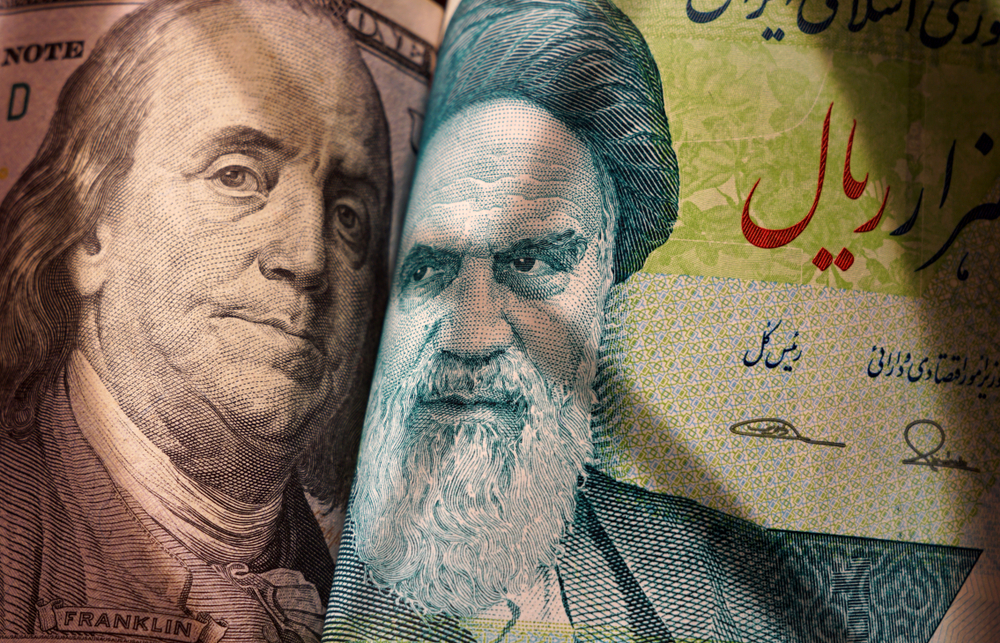
Currency markets are already reflecting the tension. The U.S. dollar has strengthened as investors seek safety, a classic reaction during periods of geopolitical stress. Analysts expect safe-haven flows into the dollar to persist as long as uncertainty remains elevated. At the same time, global bond markets are likely to experience renewed volatility, as investors weigh the competing forces of rising inflation expectations and defensive positioning.
Despite the dramatic escalation, some analysts argue that a full-scale, sustained blockade of Hormuz remains unlikely. Iran’s own oil exports — particularly shipments to China — rely on the same route, meaning a prolonged disruption would inflict heavy economic damage on Tehran itself. Moreover, the significant military imbalance between Washington and Tehran is widely viewed as a deterrent against a broader conventional war.
President Donald Trump has said Iran signaled openness to de-escalation if attacks cease, while China has urged an immediate ceasefire. Yet until tangible signs of calm emerge, markets are likely to keep pricing in a sizable geopolitical risk premium.
For consumers and businesses, the implications are stark. Fuel prices could climb, transportation and production costs may rise, and inflation could prove more persistent than previously expected. With roughly a third probability assigned by some analysts to a severe disruption scenario, volatility across oil, currencies and bond markets appears set to remain a defining feature of the near-term outlook.