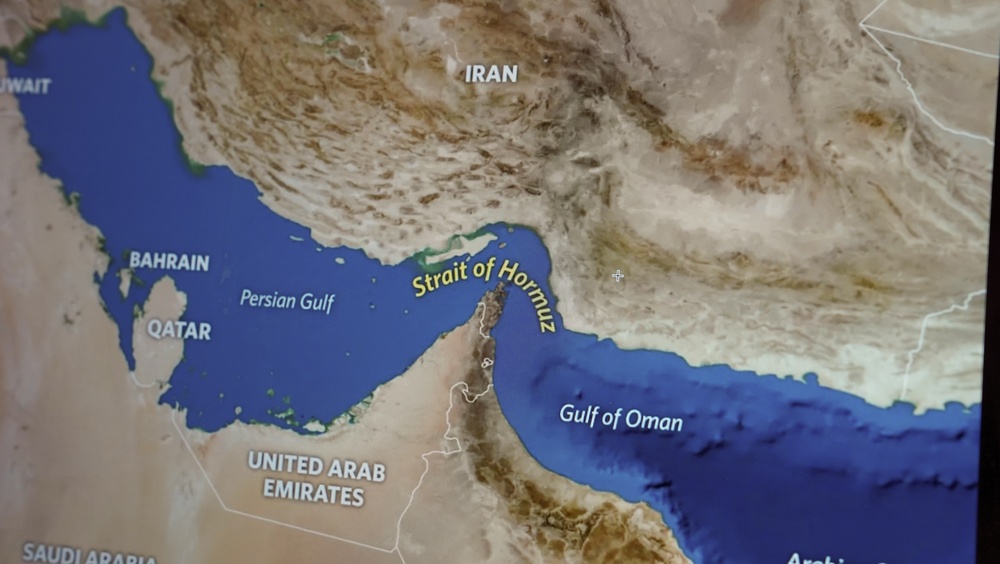
Oil prices tumbled in early Asian trading on Monday after the US and Iran announced a breakthrough agreement that would reopen the Strait of Hormuz, easing fears of a prolonged disruption to one of the world’s most critical energy corridors.
Brent crude fell nearly 4 percent to USD83.88 per barrel, while West Texas Intermediate dropped 4.6 percent to USD80.96, extending a downward trend that had already gathered momentum in recent weeks amid growing speculation that a deal was within reach.
The market reaction underscores the outsized role the Strait of Hormuz plays in global energy trade. Roughly one-fifth of the world’s oil and liquefied natural gas shipments normally pass through the narrow waterway, making it a key barometer of geopolitical risk and energy security.
The vital sea lane has been effectively closed for more than 100 days, following the escalation of hostilities between the United States, Israel and Iran earlier this year. The disruption sent oil prices soaring, with Brent crude briefly touching USD120 per barrel in May from around USD70 before the conflict erupted.
On Sunday, U.S. President Donald Trump declared that a deal had been finalized, saying “oil prices will drop like a rock” as energy flows through the strait once a formal agreement is signed in Switzerland on June 19. Iranian Deputy Foreign Minister Kazem Gharibabadi also confirmed that negotiators had completed the text of a memorandum of understanding.
While the agreement remains subject to formal signing, traders were quick to price in the prospect of restored oil flows and lower supply risks.
The decline in crude prices could provide welcome relief for oil-importing economies such as the Philippines, where higher fuel costs in recent months have fueled inflationary pressures through more expensive transport, logistics and agricultural inputs.
Analysts cautioned, however, that volatility may persist until vessels resume normal passage through the strait and both sides demonstrate sustained compliance with the agreement. For now, markets appear to be betting that diplomacy has finally succeeded where months of military escalation failed.