The Aboitiz Group is broadening its circular economy strategy across its businesses, seeking to turn waste, water, energy, and other resources into inputs for other industries as rapid urbanization and industrial growth put mounting pressure on infrastructure and natural resources.
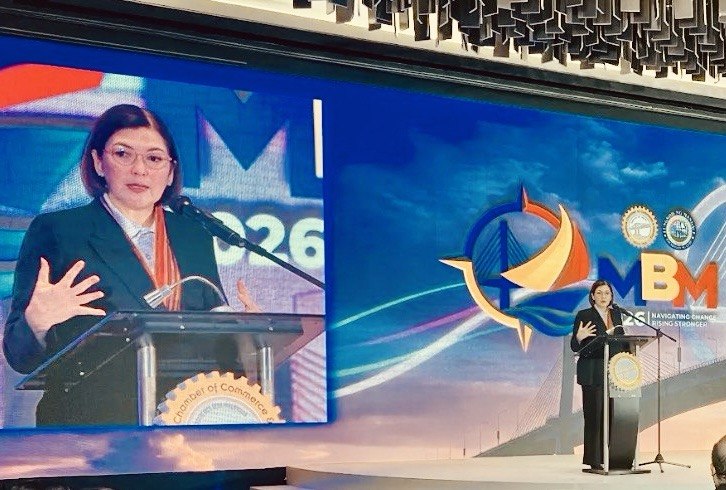
At the Mandaue Chamber of Commerce and Industry Business Summit 2026, Aboitiz Equity Ventures Chief Reputation and Sustainability Officer Ginggay Hontiveros-Malvar said circularity must move beyond recycling and focus on building connections among businesses.
“Circularity is not just about recycling or waste management. It is about redesigning business ecosystems,” she said, so that “one company’s waste, assets, energy, water, logistics, and capabilities become another company’s input.”
Aboitiz is using its portfolio across food and beverage, power, infrastructure, real estate, and banking to develop these linkages.
One example brings together Coca-Cola Europacific Aboitiz Philippines, PETValue Philippines, and Republic Cement. Plastic bottles collected through CCEAP’s Tapon to Ipon program are processed by PETValue into food-grade recycled material for new bottles.
Material that cannot be used for new bottles can instead be co-processed by Republic Cement as alternative fuel, extending the value of waste that would otherwise end up in landfills.
Republic Cement has diverted more than 1.5 million metric tons of residual plastic waste from landfills through co-processing.
The strategy also extends to natural resources. Through CarbonPH, Aboitiz has committed to a 40-year initiative covering about 71,000 hectares of forests and watersheds in Cebu, supporting water security and ecosystem resilience.
The approach reflects a broader shift in how companies view sustainability, from managing environmental impacts within individual operations to building resource-sharing networks across industries.
“Circular economy succeeds even better when industries work together. No single company can create this system alone,” Hontiveros-Malvar said.
For Aboitiz, the business case for circularity is increasingly tied to resource efficiency. Turning waste and underused resources into productive inputs can reduce pressure on finite supplies while creating new links among businesses and supporting more resilient growth.