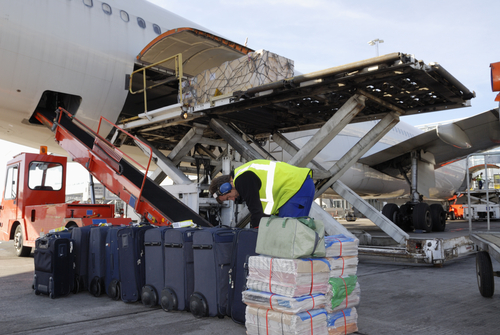
Time-sensitive industries, led by semiconductors and electronics, welcomed the normalization of cargo operations at the Ninoy Aquino International Airport (NAIA), after congestion threatened production schedules, jobs, and revenues.
Customs Commissioner Ariel F. Nepomuceno declared the congestion over on Aug. 28 following interventions by the Bureau of Customs (BOC), People’s Air Cargo & Warehousing Co. Inc. (PairCargo), and industry stakeholders to clear warehouse backlogs and accelerate cargo releases.
The disruption was particularly critical for manufacturers dependent on precisely timed deliveries of components and raw materials, where even a short delay can ripple through production lines.
Texas Instruments Philippines said the Customs intervention enabled it to clear 99 percent of its critical shipments within days.
“That responsiveness did not just move boxes through the warehouse; it protected production lines, it protected the jobs of our more than 4,500 employees,” said Ralph Morales, Texas Instruments Philippines country director for government relations and public affairs.
Morales said the swift action also helped mitigate potentially significant revenue losses.
The Semiconductor and Electronics Industries in the Philippines Foundation Inc. (SEIPI) likewise thanked the BOC, Department of Finance, Philippine Economic Zone Authority, and PairCargo for helping resolve the congestion.
Logistics firms also credited Customs for stepping in quickly, even though the bottleneck originated in cargo-handling operations rather than Customs procedures.
For an export-driven economy, the episode underscored how airport congestion can quickly become a supply-chain problem. Delayed cargo can disrupt factories, hold up shipments, and put pressure on industries that operate on increasingly tight production schedules.
BOC-NAIA District Collector Maria Yasmin Obillos-Mapa said Customs would work to prevent a recurrence.
Nepomuceno, meanwhile, urged companies to flag problems as soon as they emerge, particularly given the importance of uninterrupted supply chains to semiconductors, electronics, pharmaceuticals, healthcare technology, and automotive manufacturing.
With operations normalized, the BOC said it would continue monitoring cargo flows and coordinating with handlers and businesses to prevent another bottleneck from grounding critical supply chains.