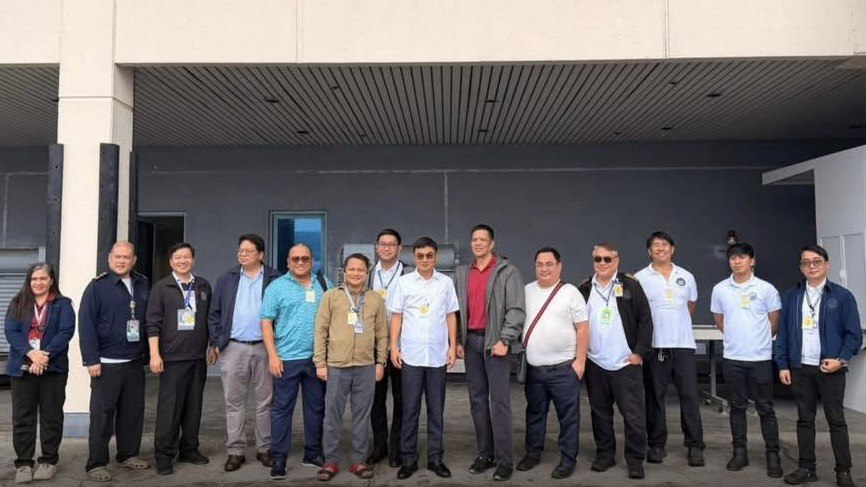
The Bureau of Customs is preparing Subic Bay International Airport as a potential alternative gateway for e-commerce shipments, opening another route for time-sensitive cargo and expanding Subic’s role in the country’s logistics network.
The BOC-Port of Subic, led by District Collector Geniefelle P. Lagmay, recently inspected the airport’s facilities and operating processes to determine its readiness to receive and clear air cargo.
The assessment comes amid discussions with e-commerce companies interested in routing daily air freight shipments through the airport’s existing facilities.
If the plan moves forward, Subic could give businesses another entry point for fast-moving goods while broadening the services offered by the freeport and generating additional government revenue.
The companies would use Subic Bay International Airport as regular port customers, rather than under a commercial partnership, lease, or long-term operating arrangement.
The Subic Bay Metropolitan Authority said shipments would be treated as regular port transactions and remain subject to customs, immigration, quarantine, airport, and other regulatory requirements.
Before operations begin, the BOC is coordinating with government agencies and other stakeholders to establish procedures covering pre-arrival documentation, cargo handling, assessment, and customs clearance.
“The inspection underscores the Port’s proactive approach in preparing for emerging opportunities that can enhance trade facilitation and strengthen Subic’s role as a strategic logistics gateway,” Lagmay said.
The proposed air cargo operations could complement Subic’s established seaport facilities, giving the freeport a broader range of options for moving goods.
That matters as e-commerce continues to place greater pressure on logistics systems to move smaller, time-sensitive shipments quickly and predictably. For importers, another functioning gateway can also mean greater flexibility when congestion or disruptions affect major airports and ports.
The initiative supports Customs Commissioner Ariel F. Nepomuceno’s modernization program, which aims to improve customs efficiency while maintaining accountability, transparency, and regulatory compliance.
For Subic, the proposal could add another layer to its logistics ambitions. The freeport already has a major seaport, industrial facilities, and established transport links. Regular air freight operations could strengthen its case as a multimodal gateway where cargo can move by air and sea through the same economic zone.
The immediate task, however, is operational readiness. Before the first e-commerce shipment arrives, Customs and other regulators must ensure that faster cargo movement does not come at the expense of proper processing and oversight.