The Department of Agriculture (DA) and Department of Energy (DOE) are crafting new safeguards to protect critical farmland from being overtaken by solar energy projects, aiming to advance renewable energy goals without compromising food security.
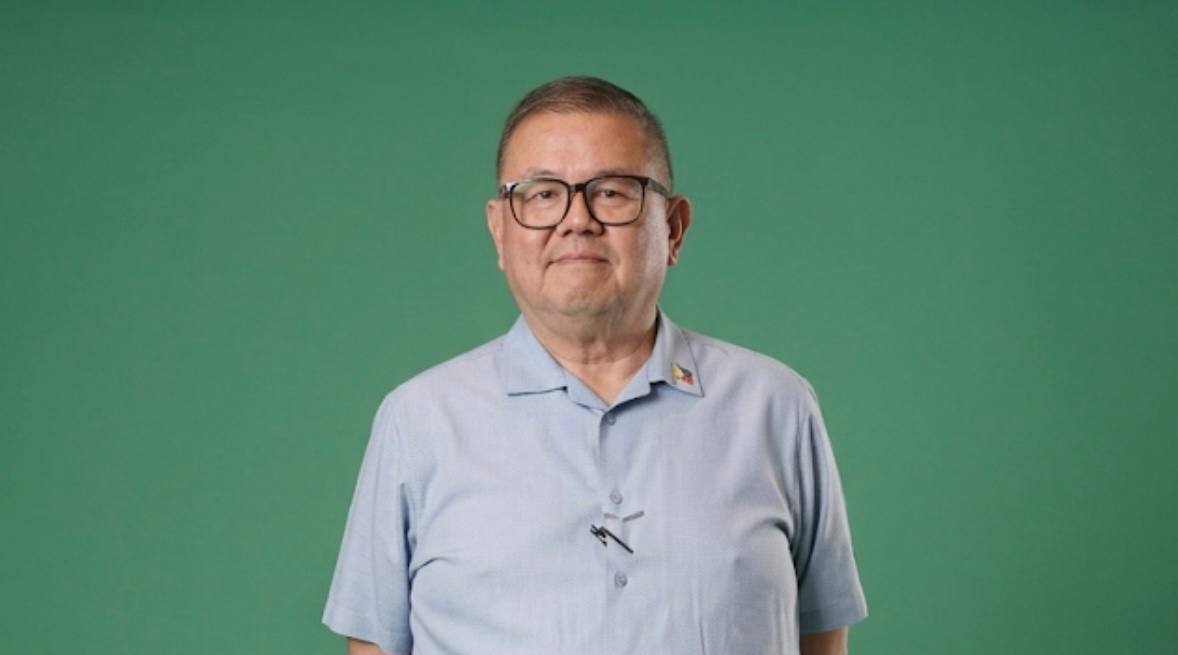
Agriculture Secretary Francisco P. Tiu Laurel Jr. has proposed geofencing roughly 3 million hectares of flat agricultural land—especially key rice-growing areas—as the country prepares for the next Green Energy Auction. The policy emerged from talks with Energy Secretary Sharon Garin to draw a clear line between land for energy development and land needed for food production.
Under the plan, the DA will digitally map and mark boundaries around priority agricultural zones. This will give renewable energy developers clear guidance on lands where projects should be avoided, while also identifying suitable areas that can support solar expansion without threatening farm output.
“We need energy security, but it cannot come at the cost of food security. The country must be able to keep the lights on without putting at risk the land that keeps food on Filipino tables,” Secretary Tiu Laurel said.
The agencies also intend the clean energy transition to deliver direct benefits to farmers and fisherfolk, starting with lower electricity costs. They are exploring mechanisms to connect renewable energy suppliers under the Green Energy Auction and Green Energy Option with qualified agricultural users—including irrigation systems, rice mills, cold storage, fishponds and food processing facilities—where power costs heavily impact expenses.
The DOE is reviewing how suppliers and distributors can participate, while discussions with the Energy Regulatory Commission examine whether these savings can be reflected in agricultural electricity rates.
A memorandum of agreement is targeted for October 2026 to formalize the partnership. The DA will identify 1,000 to 2,000 priority agricultural areas and cross-check them against existing and awarded energy projects to prevent overlaps. Officials are also developing a Farm-to-Energy Framework to lower power costs and boost incomes across the agriculture and fisheries sectors.
“Our goal is to ensure both pressing needs of Filipinos are addressed—without sacrificing one for the other,” Tiu Laurel said.