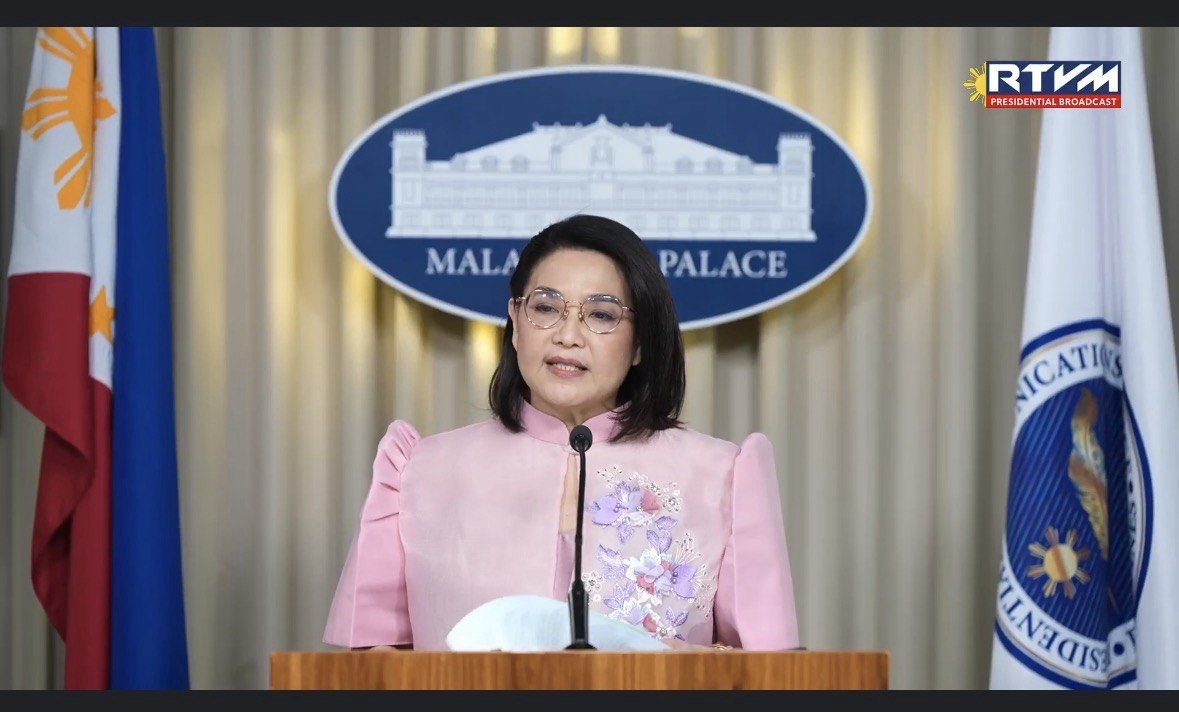
The government is intensifying preparations for a potentially severe El Niño, putting agriculture, irrigation, and water management at the center of efforts to limit the impact of prolonged dry conditions.
Palace Press Officer Claire Castro said the Department of Agriculture, under Secretary Francisco Tiu Laurel Jr., has activated its El Niño task force and is monitoring conditions to protect farmers and agricultural production.
“Dahil sa climate change, baka mas matindi ang maramdaman at magiging epekto ng El Niño,” Castro said at a Palace briefing.
She said preparations include closer monitoring of El Niño conditions, protecting farmers and agricultural products, and managing irrigation and other water resources.
The National Irrigation Administration is also preparing farmers for changing weather patterns by advising them on planting and harvesting schedules and on crops suited to different rainfall conditions.
Castro said increasingly uneven weather patterns, with heavy rainfall in some areas and dry conditions in others, are making climate preparedness more important.
She said President Ferdinand Marcos Jr. has placed greater emphasis on climate-change preparedness as rainfall and temperatures become more extreme than they were a decade ago.
Government responses should increasingly rely on scientific assessments, Castro said, citing coordination with the Climate Change Commission.
The preparations come amid projections of a potentially very strong El Niño, raising concerns over agricultural output, water availability, and other climate-sensitive activities.
For agriculture, the immediate challenge is to manage water and production decisions before dry conditions intensify, rather than relying solely on interventions after losses occur.
The government’s response is therefore shifting toward earlier monitoring and planning, with irrigation schedules, crop selection, and water allocation forming key parts of its strategy to reduce the economic impact of a potentially severe dry spell.