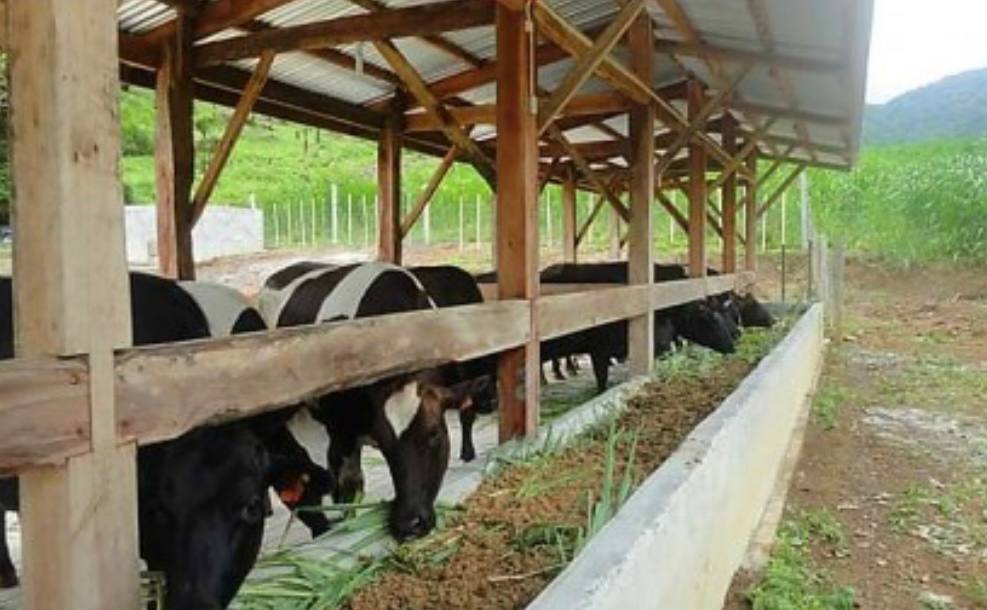
The Department of Agriculture is advancing millet as a corn alternative for animal feed — drawing lessons from India — to stabilize supplies, cut production costs, and boost domestic carabao and dairy output.
Agriculture Secretary Francisco Tiu Laurel Jr. confirmed the initiative Tuesday following his India visit, where he reviewed millet production and livestock practices. Millet is a drought-hardy cereal needing far less water than corn, making it a reliable feed option when dry weather disrupts corn harvests and drives up input costs. Diversifying feed sources gives farmers and manufacturers greater flexibility, with wider commercial rollout subject to confirming yields, nutritional value, processing suitability, and pricing.
This effort aligns with the Philippine Carabao Center’s new P237.9-million facility, home to the world’s first laboratory dedicated exclusively to sex-sorting buffalo semen. Using flow cytometry, the lab separates X and Y sperm at roughly 90 percent accuracy, letting breeders target females for dairy expansion or males for meat and draft work. Sorted semen is cryogenically preserved for nationwide artificial insemination, with an annual target of 170,000 straws.
Local semen production will cut costs, lower disease risks from imported stock, and deliver breeding animals better adapted to local conditions. These steps address a critical gap: domestic milk production meets less than 5 percent of national demand, leaving the country heavily reliant on imports. Secretary Tiu Laurel stressed that building local capacity to grow, process, and mill feed will lift productivity, reduce expenses, and build a more resilient food system.