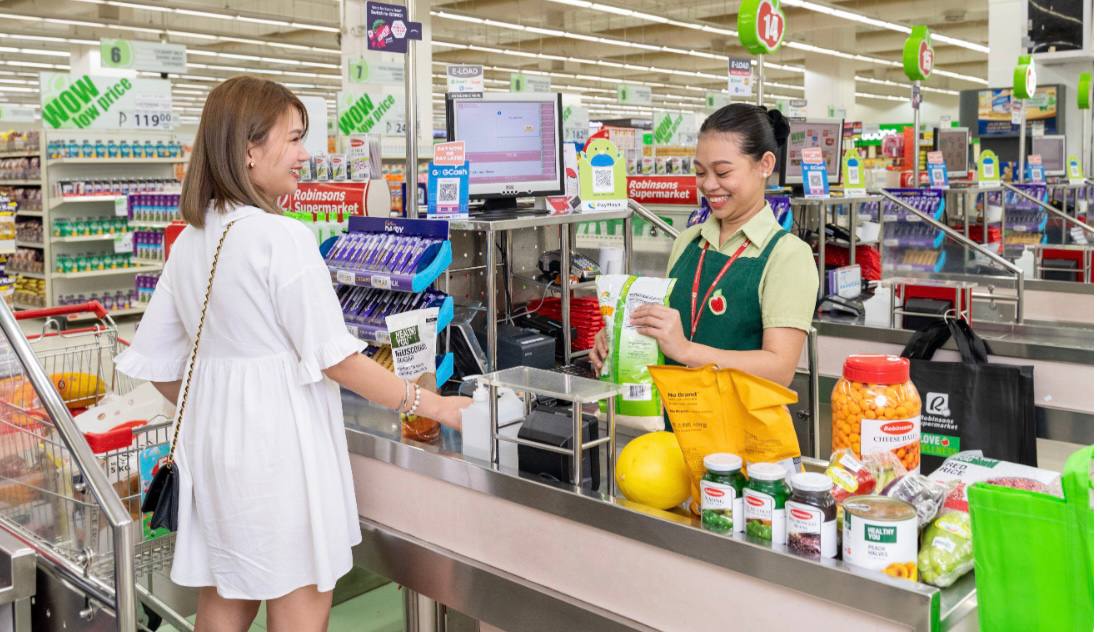
Retail sales this year are projected to reach $123 billion, roughly ₱7.71 trillion at current exchange rate, marking a 1.7 percent growth from $121 billion last year, according to the United States Department of Agriculture’s Foreign Agricultural Service in Manila. Despite the modest overall growth, retail sales for food and beverages are expected to dip slightly by 3.2 percent to $61 billion from $63 billion previously, reflecting a broader economic slowdown that has encouraged Filipinos to adopt more cautious, price-sensitive spending habits.
The flat overall performance comes on the heels of a 2.2 percent economic deceleration in the second quarter, which weakened general household consumption. Higher transportation costs, currency depreciation, and persistent inflation in select goods have nudged families away from non-essential luxuries and toward budget-conscious alternatives. Even with these near-term pressures, food and non-alcoholic beverages remain the bedrock of Philippine household budgets, accounting for 36 percent of total consumer spending and demonstrating the essential nature of the sector.
Looking beyond the current economic plateau, the country’s food and beverage retail market is positioned for a strong recovery, with projections pointing to a 7 percent annual growth rate through 2030. Long-term optimism is supported by rising family incomes, a rapidly expanding young population, the rise of e-commerce, and aggressive geographic expansion by major retail brands into emerging urban centers and rural provinces.
While traditional corner stores and neighborhood markets still capture 60 percent of food and beverage distribution, modern formats like hypermarkets, warehouse clubs, and convenience stores are rapidly gaining ground. Modern retailers are steadily expanding their footprint into rural markets and high-income metropolitan centers alike, attracting shoppers by offering competitive pricing alongside a wider assortment of imported items.
The Philippine retail landscape also continues to serve as a vital commercial hub for foreign trade. The Philippines stands as the eleventh-largest export market for American agricultural goods globally, generating over $3.4 billion in trade. High demand persists for imported staples and convenience products, including poultry, pork, dairy, snacks, condiments, fresh fruits, and pet food, reinforcing the country’s position as a dynamic, resilient consumer market over the coming decade.