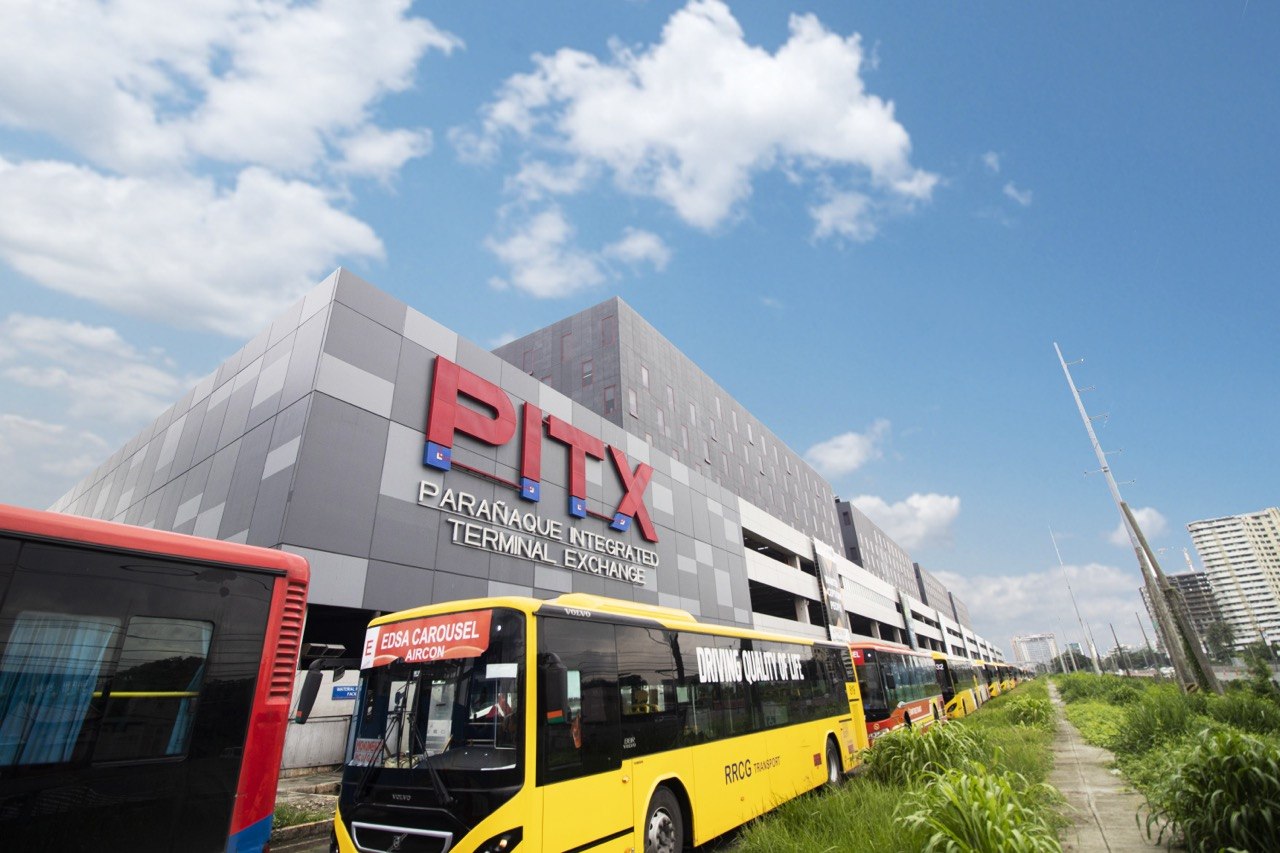
From a once-contested solution to Metro Manila’s provincial bus congestion, PITX is positioning itself for a bigger role in the country’s transport system as passenger traffic approaches its design capacity.
The Parañaque Integrated Terminal Exchange (PITX) handled 60.28 million passengers in 2025, up 17 percent from the previous year. In the first half of 2026 alone, it served about 32.45 million passengers, averaging 180,000 daily against its original capacity of 200,000.
The sustained growth is pushing the terminal to look beyond expansion, with plans to develop a network of interconnected transport hubs that could make travel more convenient, predictable and efficient.
Over the next three to five years, PITX plans to expand capacity, improve connectivity and accelerate digitalization, said Jason Salvador, director for corporate affairs, government relations and branding.
“The direction is really towards making PITX not just bigger, but smarter, more connected and part of a wider network of transport hubs,” Salvador said in an interview.
At the center of the strategy is a hub-and-spoke model linking strategically located terminals. The Baguio Integrated Terminal is moving forward, while the proposed Quezon City Integrated Terminal Exchange remains under evaluation.
“For me, PITX was the proof of concept. The next step is to replicate what worked here, organization, connectivity, technology and passenger convenience, in other strategic locations,” Salvador said.
The expansion comes as PITX serves 112 city and provincial routes and studies the development of an adjacent 1.7-hectare property to accommodate more buses, improve vehicle circulation and ease passenger movement.
Development will be phased, subject to final designs and approvals.
Digital upgrades are also planned, including better passenger information, online booking, live schedules and more seamless transactions. Traditional ticketing options will remain available.
Since opening in 2018, PITX has sought to consolidate fragmented provincial bus operations and transfers into one integrated facility.
“PITX brought many of those movements into one integrated transport hub,” Salvador said.
The next challenge is extending that model beyond Parañaque.
“Ultimately, the goal is to move from individual terminals to a connected network of transport hubs that makes travel more convenient, predictable and efficient,” he said.