The Department of Environment and Natural Resources (DENR) has rolled out a monitoring network to keep a close watch on El Niño’s effects across the country, helping communities prepare early instead of reacting after damage is done. Using automated weather stations, satellite mapping, and digital risk modeling, the system delivers real-time data that turns complex climate information into clear, usable warnings for local governments, communities, and families.
El Niño brings hotter temperatures, longer dry spells, and greater risks like forest fires, coral damage, and water shortages. This new monitoring system directly supports better policies and faster action—ensuring decisions are rooted in solid data rather than guesswork. DENR Secretary Juan Miguel “Mitch” T. Cuna emphasized that in a time of more frequent extreme weather, timely information protects both nature and people. He explained that the department is moving beyond emergency response, using satellite tracking, ground sensors, and digital tools to spot trouble before it spreads.
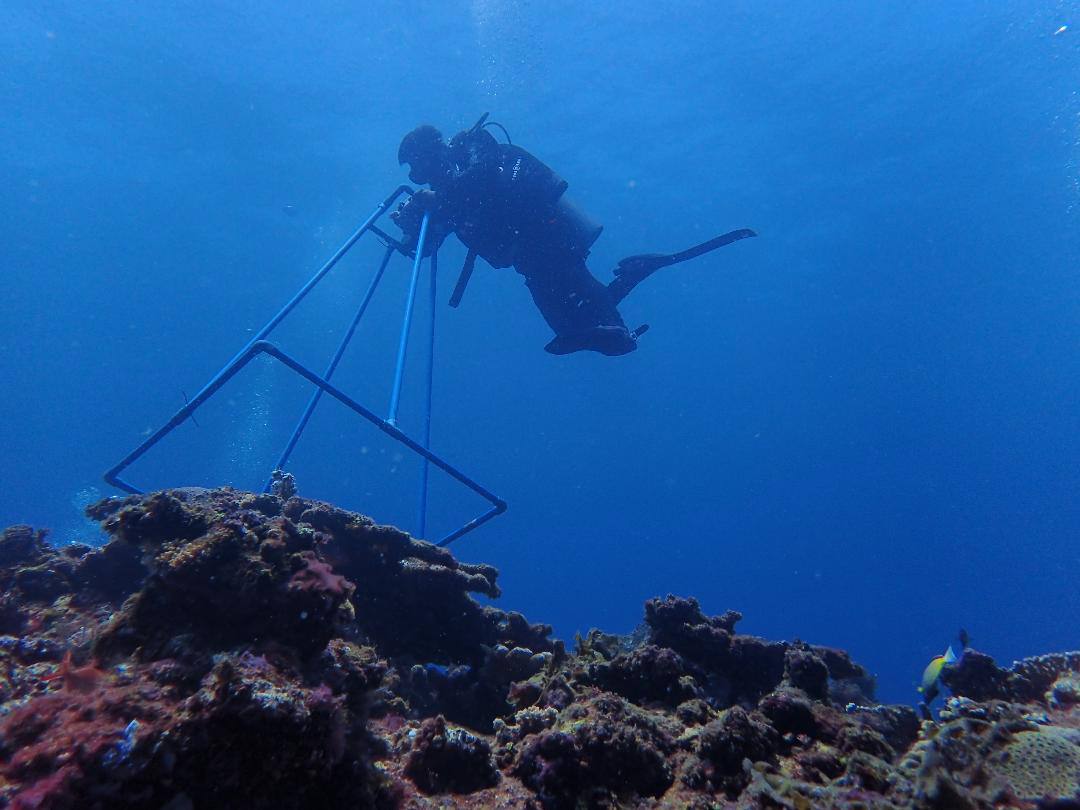
The technology is already making a real difference on the ground. In Aurora Province, satellite readings of sea surface temperatures triggered coral bleaching alerts as early as May 2026, prompting local teams to step up reef monitoring and report changes through a dedicated online portal. In the Ilocos Region, a Red Flag Alert System links weather data with local disaster offices and 10 ranger stations to spot wildfire risks early. In Agusan Marsh, real-time weather data helps produce detailed fire risk maps so patrols can focus exactly where danger is highest. In the Bicol Region, daily readings from weather stations help identify drying creeks, shallow reefs, and areas running low on water, guiding practical conservation advice shared with farming and coastal barangays.
For ordinary Filipinos, this means more reliable early warnings, better protection of the natural resources families depend on, and clearer guidance on saving water before shortages become critical. Regional offices are also stepping up efforts to encourage efficient water use and support communities facing or at risk of drought. Regular checks ensure monitoring equipment stays online and information flows smoothly from local teams to national planning, helping the country adapt and become more resilient as El Niño conditions persist.