



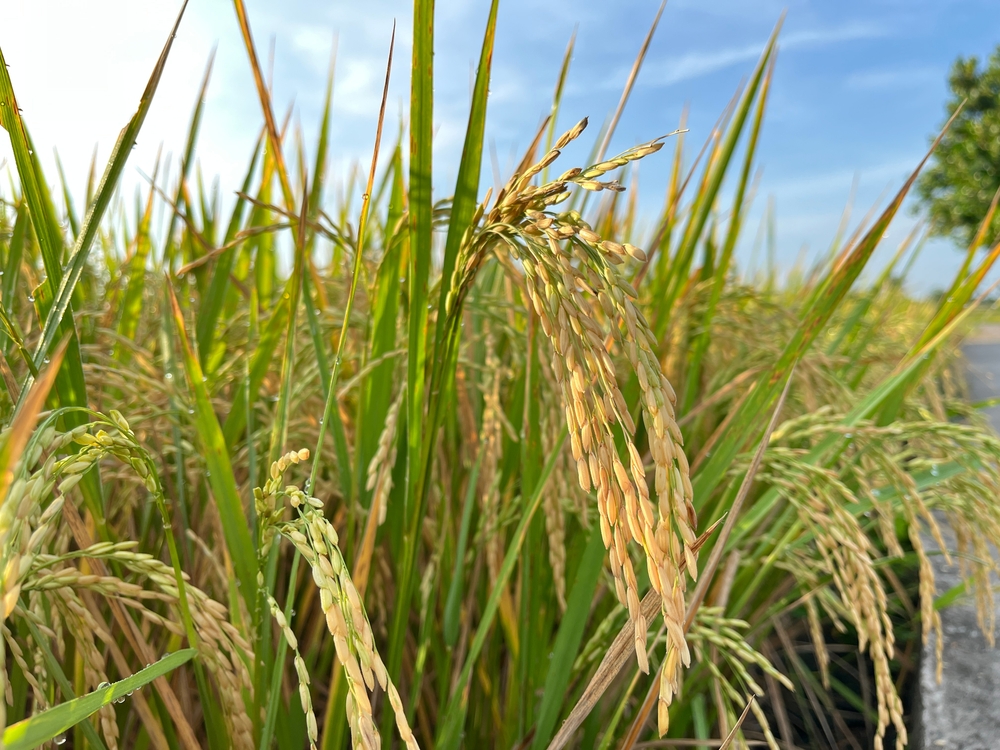
The Philippines is bracing for a decline in local palay production this year, with output expected to drop by at least 1 million metric tons due to severe weather patterns and soaring input costs, according to the Department of Agriculture.
The government initially set a harvest target of 20.7 million metric tons of unhusked rice for the year, but officials have revised that estimate down to 19.7 million metric tons. Agriculture Secretary Francisco Tiu Laurel Jr. attributed the anticipated shortfall to the combined impact of an impending El Niño phenomenon alongside sharp increases in fertilizer and fuel prices.
This drop in production directly affects everyday consumers as smaller harvests tighten the national rice supply, that then drive up retail prices for the staple food in local markets. When high expenses force farmers to cut back on planting, households often face higher grocery bills for basic meals.
Rising expenses have heavily impacted local farm yields. High fuel prices raise the cost of operating farm machinery and irrigation equipment, while expensive fertilizers lead farmers to use less feed for their crops, resulting in smaller harvests. In some cases, high upfront costs have discouraged farmers from planting altogether because they lack the capital needed to invest in their fields.
Looking ahead, agricultural officials note that it remains too early to forecast next year’s crop yield, especially with weather authorities warning that the approaching dry spell could reach severe levels. The Philippine Atmospheric, Geophysical and Astronomical Services Administration projects a strong El Niño event extending through the first half of 2027, with the driest conditions expected between November and April.
To lessen the impact on food supplies and rural livelihoods, the Department of Agriculture has presented a 61.99 billion peso action plan, which includes funding for immediate relief programs. However, officials caution that 371 million pesos in proposed interventions, including cloud seeding operations, remain unfunded, underscoring the urgent need for timely financing as the country prepares for prolonged drought conditions.




