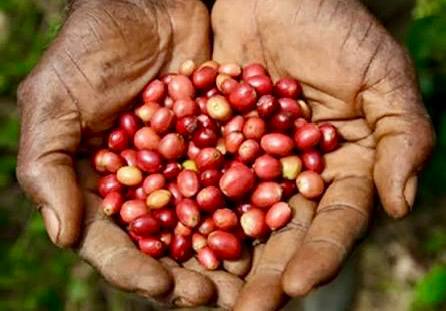
MALAYBALAY CITY, Bukidnon (October 23, 2026)—A better cup of coffee begins long before the beans reach the roaster. In Northern Mindanao, it starts with better planting materials, improved farming practices, and a partnership aimed at turning higher yields into better livelihoods for coffee farmers.
The Department of Agriculture (DA) and Nestlé Philippines are strengthening their collaboration through the Mindanao Integrated Coffee Development and Genetic Resource Program. The initiative will position the Northern Mindanao Agricultural Crops and Livelihood Research Complex in Malaybalay City as a regional center of excellence for coffee research and development.
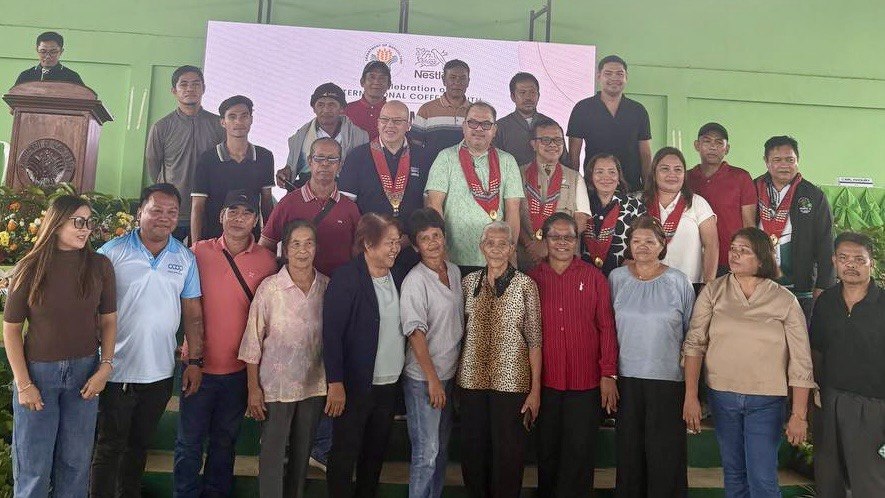
The goal is to raise coffee productivity toward one metric ton per hectare, increase domestic Robusta production, and improve farmer incomes. While the target is straightforward, achieving it requires more than productive trees. Farmers also need quality planting materials, sound cultivation practices, and sustained technical support to translate better harvests into more reliable earnings.
Carl Khoury, business executive officer of Nescafé, said farmers participating in Nestlé’s Project Coffee+ and Coffee++ initiatives have already achieved average yields of one metric ton per hectare.
“More importantly, the majority of participating farmers have also crossed the poverty line,” Khoury said, highlighting the potential of improved productivity to strengthen household incomes.
The new program aims to extend these gains through research trials, regenerative agriculture, and continued technical assistance. Nestlé agronomists will work with DA extension workers to bring research findings from the field of science to the realities of the farm, helping growers adopt practical improvements in coffee production.
A key component is the establishment of a National Coffee Genetic Resource Repository, where Nestlé will contribute officially recognized Robusta selections for conservation, research, and propagation. Preserving valuable genetic resources can support future crop improvement and provide a stronger foundation for the domestic coffee industry.
The partnership will also sustain the Bukidnon Integrated Coffee Center, which brings together demonstration farms, nurseries, mother plants, and farmer training. Fertilizer assistance and additional training under the Mindanao Robusta Coffee Project are expected to further strengthen local production and support farming communities.
Ultimately, the initiative seeks to build a more productive domestic Robusta industry while helping farmers earn more from their labor. After all, coffee may be a daily pick-me-up for consumers, but for the people who grow it, success is measured in harvests, production costs, and income.
By combining research, agricultural expertise, and hands-on support, the DA-Nestlé partnership aims to make each harvest count for more—both for the country’s coffee supply and for the livelihoods behind every bean. (Irma Isip)