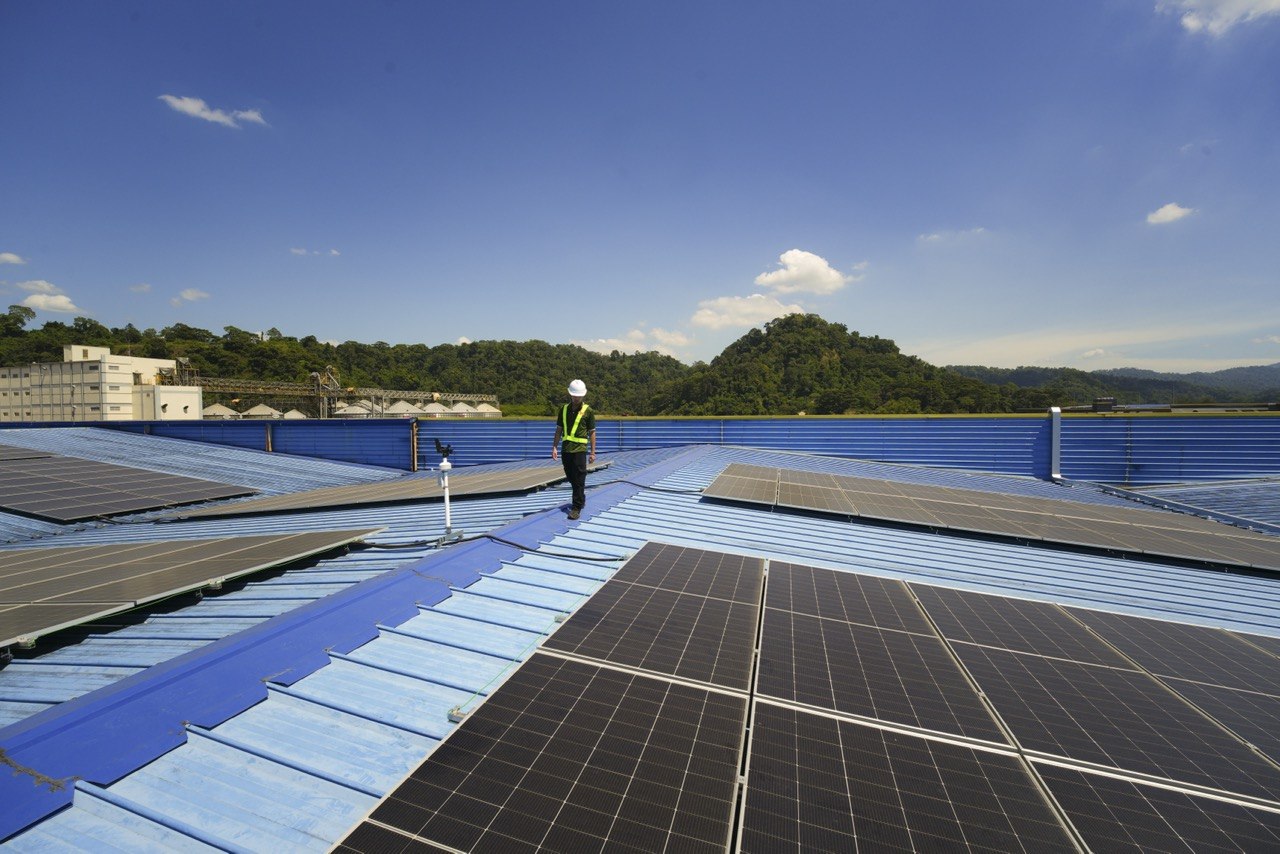
Datian Subic Shoes Inc. expects rooftop solar to cut its grid electricity use by more than 40 percent, lowering energy costs and helping meet global footwear brands’ emissions standards without diverting capital from production.
The Philippine manufacturing arm of Taiwan’s Datian Shoes has energized 3.06 megawatts-peak (MWp) of solar capacity across two plants in Subic Bay through a partnership with Berde Renewables.
The project gives Datian greater control over electricity costs through a 20-year power purchase agreement with a fixed tariff, reducing exposure to volatile energy prices. Berde financed, designed, and built the installations under a build-own-operate-transfer arrangement and will own, operate, and maintain the systems throughout the contract.
The arrangement allows Datian, which employs more than 5,000 people locally, to secure on-site renewable power without the upfront investment or maintenance burden, preserving capital for manufacturing.
“Our customers expect us to be a reliable long-term partner, and that now includes powering our factories with clean energy,” Datian president Vincent Chen said.
“This investment strengthens our position as a global supplier and reinforces our commitment to the local economy.”
The installations are expected to generate about four gigawatt-hours of electricity in their first year and avoid approximately 3,232 tonnes of carbon dioxide emissions annually.
The project will also provide energy data to support customers’ sustainability reporting as international footwear brands tighten emissions requirements across their supply chains.
Factory 1 accounts for 2.063 MWp of installed capacity, while Factory 2 contributes 1 MWp. Together, the systems use 4,834 bifacial solar modules and 17 inverters.
For export manufacturers, cleaner energy is increasingly a commercial consideration as global brands scrutinize the environmental footprint of their suppliers.
Datian’s solar investment thus serves a dual purpose: reducing exposure to grid electricity costs while helping preserve its standing with international customers, without requiring a large upfront outlay that could compete with spending on production.