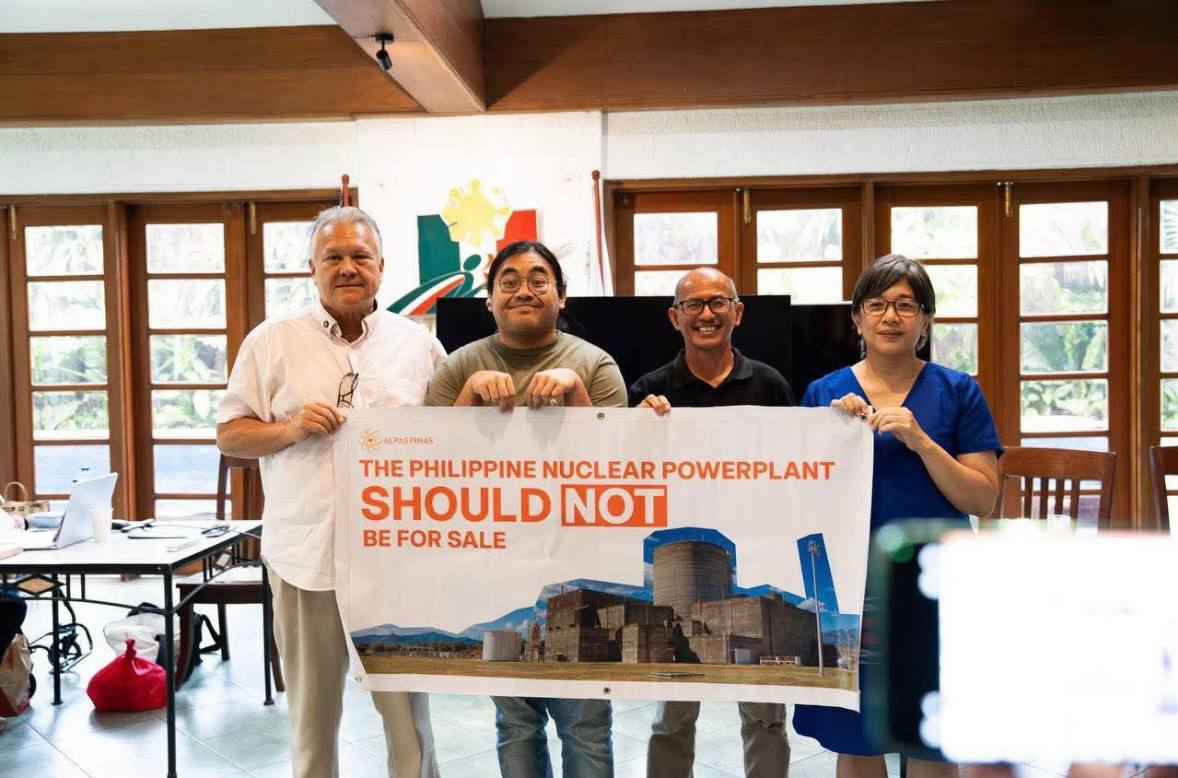
The Department of Energy has confirmed the national government is open to selling the mothballed Bataan Nuclear Power Plant, also referred to as the Philippine Nuclear Power Plant, to private investors, after a South Korean feasibility study found promise in reviving the long‑idle facility. But pro‑nuclear groups and key legislators warn that pushing ahead with privatization could slow down its restart and widen the gap between the Philippines and neighboring countries racing to add nuclear capacity.
Leading nuclear advocate and House Special Committee on Nuclear Energy chairman Cong. Mark Cojuangco said selling the plant may stretch out timelines for recommissioning, costing the country precious time amid growing power demand. “We are concerned that this proposed direction could further delay action on the country’s growing energy needs. The longer we wait, the further we get left behind,” Cojuangco stated, adding that the government should lay out a clear roadmap to restart the plant and boost the national power grid instead. He noted that keeping the asset under Filipino control is not just a matter of ownership, but of retaining the country’s say in long‑term energy strategy.
Alpas Pinas, a non‑profit group pushing for clean sustainable nuclear energy, echoed those worries. Lead convenor Dr. Gayle Certeza pointed out that the Philippines already faces regular power shortfalls and high electricity rates for households and businesses, even as other nations move ahead with nuclear projects. She cited Bangladesh’s progress on its first nuclear facility, the Rooppur Nuclear Power Plant, as an example of how peer economies are diversifying their energy mix to improve supply stability. If privatization delays the Bataan plant’s revival, consumers may continue to face steep bills and supply gaps while regional competitors lock in cheaper, baseload power for homes and commercial operations.
Critics of the planned sale said an alternative path would be for the state to retain ownership while seeking technical partnerships to rehabilitate and operate the plant on a faster timeline, rather than transferring control to private firms that may take longer to finalize deals and start operations. Supporters of nuclear energy maintain that the BNPP represents a chance to diversify the country’s power sources, cut reliance on imported fuels, and give households and businesses more stable electricity access — if the government moves quickly to restart it instead of going through a lengthy privatization process.