Philippine business and labor groups are urging the government to reduce the country’s exposure to China by diversifying suppliers, expanding trade links and rebuilding domestic manufacturing capacity, warning that diplomatic friction can quickly become an economic problem.
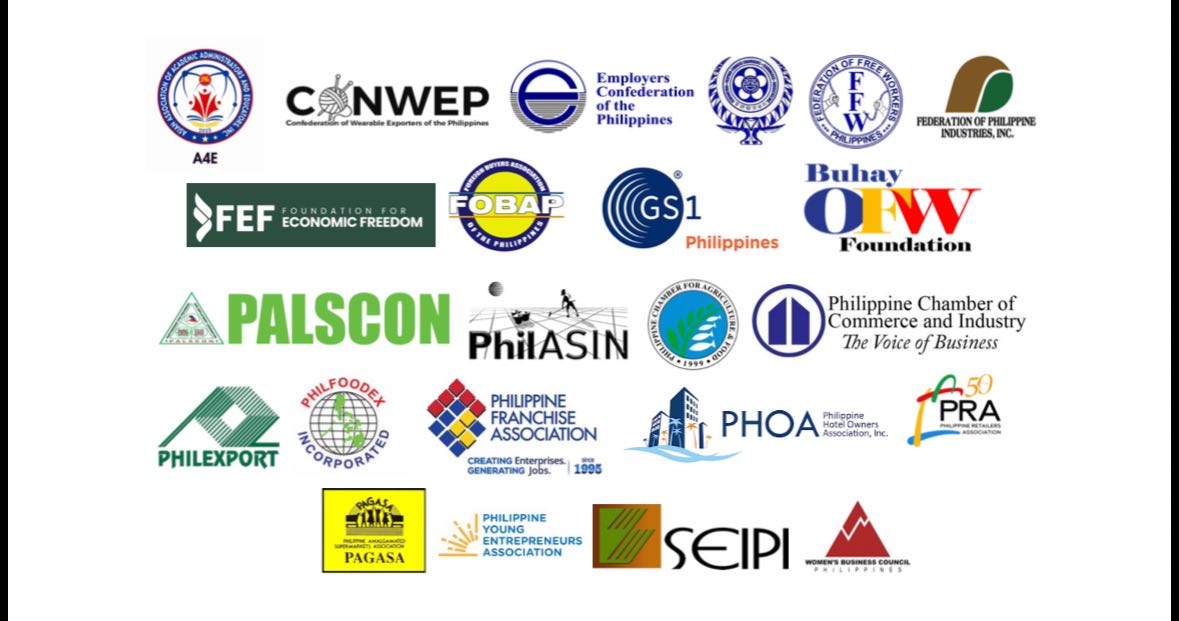
In a joint appeal, 23 organizations called for broader sources of critical supplies and stronger local production while urging the government to keep diplomatic channels with Beijing open.
The signatories include the Philippine Chamber of Commerce and Industry, Employers Confederation of the Philippines, Federation of Philippine Industries, Philippine Exporters Confederation and Federation of Free Workers.
Their concern is as much about factories and jobs as foreign policy. A prolonged disruption in ties could affect access to industrial inputs, machinery, electronics, raw materials and renewable energy technologies that businesses increasingly depend on.
“Broader trading relationships, stronger domestic capacity, local assembly and manufacturing, and alternative sources of critical supplies should complement, not replace, diplomacy,” the groups said.
The organizations noted that China accounts for a substantially larger share of Philippine external trade than the Philippines represents in China’s global commerce, leaving the country more exposed to shifts in the relationship.
That imbalance, they argued, calls for economic statecraft that expands the country’s options rather than simply choosing sides.
The groups urged both governments to pursue market access, technology transfer, resilient supply chains and productive investments that create decent work, even as maritime disputes continue.
They also singled out electric mobility, solar deployment and energy security as areas where practical economic cooperation can continue despite geopolitical tensions.
For Philippine businesses, diversification is less about turning away from China than making sure China is not the only door left open when supply chains are tested.
The signatories also called for a centralized and consistent foreign policy, with diplomatic positions communicated by designated authorities through established channels. They said constructive engagement should protect Philippine sovereign rights under international law while keeping trade and investment opportunities alive.
Ultimately, the groups said, diplomacy should be judged not only by how well it manages disputes, but by whether it protects livelihoods, keeps businesses supplied and creates more opportunities for Filipino workers.