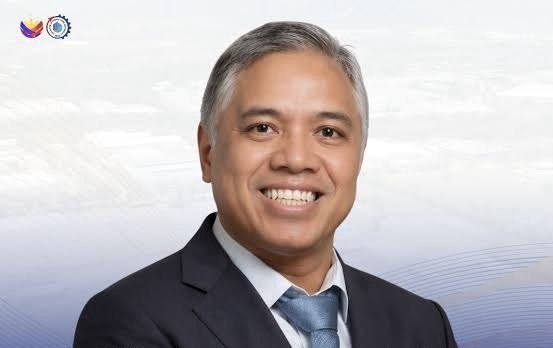
New Bureau of Internal Revenue (BIR) Commissioner Rolando Ligon Jr. is planning a five-year technology overhaul to modernize tax administration, close corruption vulnerabilities and improve compliance, while promising tougher enforcement against deliberate tax evasion.
Ligon, who replaced Charlito Martin Mendoza Jr. in a reshuffle of key revenue agencies, said upgrading the bureau’s aging information technology infrastructure would be central to improving collection efficiency and rebuilding public confidence.
“By modernizing our computer systems, we will eliminate administrative bottlenecks, minimize room for corruption, ensure data integrity, and provide taxpayers with faster, more efficient digital channels,” he said.
The program will involve upgrading computer infrastructure and integrating data analytics across revenue district offices over the next five years, potentially giving the agency better tools to monitor transactions, identify compliance gaps and strengthen enforcement.
Ligon also drew a distinction between taxpayers needing assistance to meet their obligations and those deliberately evading them, promising a combination of improved taxpayer services and stricter enforcement.
“We will provide taxpayer assistance to those who want to comply but will apply the full force of the law to those who deliberately dodge payment of taxes,” he said.
He also pledged to continue Mendoza’s five-point DARES reform agenda, which covers digital transformation, audit accountability, revenue protection, employee welfare and service excellence, signaling continuity in the bureau’s ongoing reform efforts despite the change in leadership.
Ligon previously served as Department of Finance undersecretary for revenue operations, overseeing policy and performance monitoring at both the BIR and Bureau of Customs.
A lawyer and certified public accountant, he began his government career as a BIR Revenue Officer 1 before advancing to senior positions in revenue administration.
His priorities align with Finance Secretary Frederick Go’s push to strengthen revenue collection, improve tax administration and address corruption within government agencies.
The scale of the proposed overhaul, however, will depend on how quickly the bureau can modernize its systems and translate digital investments into more transparent transactions, stronger enforcement and a less burdensome experience for taxpayers.