Philippine exporters of electronics, machinery, processed tuna and other value-added products are set to gain virtually tariff-free access to Chile under a newly signed trade agreement, opening a new market for local businesses seeking to diversify beyond traditional trading partners.
The Department of Trade and Industry (DTI) said Friday the Philippines-Chile Comprehensive Economic Partnership Agreement (CEPA) will eliminate tariffs on nearly all Philippine products currently shipped to the South American country, improving their price competitiveness and export prospects.
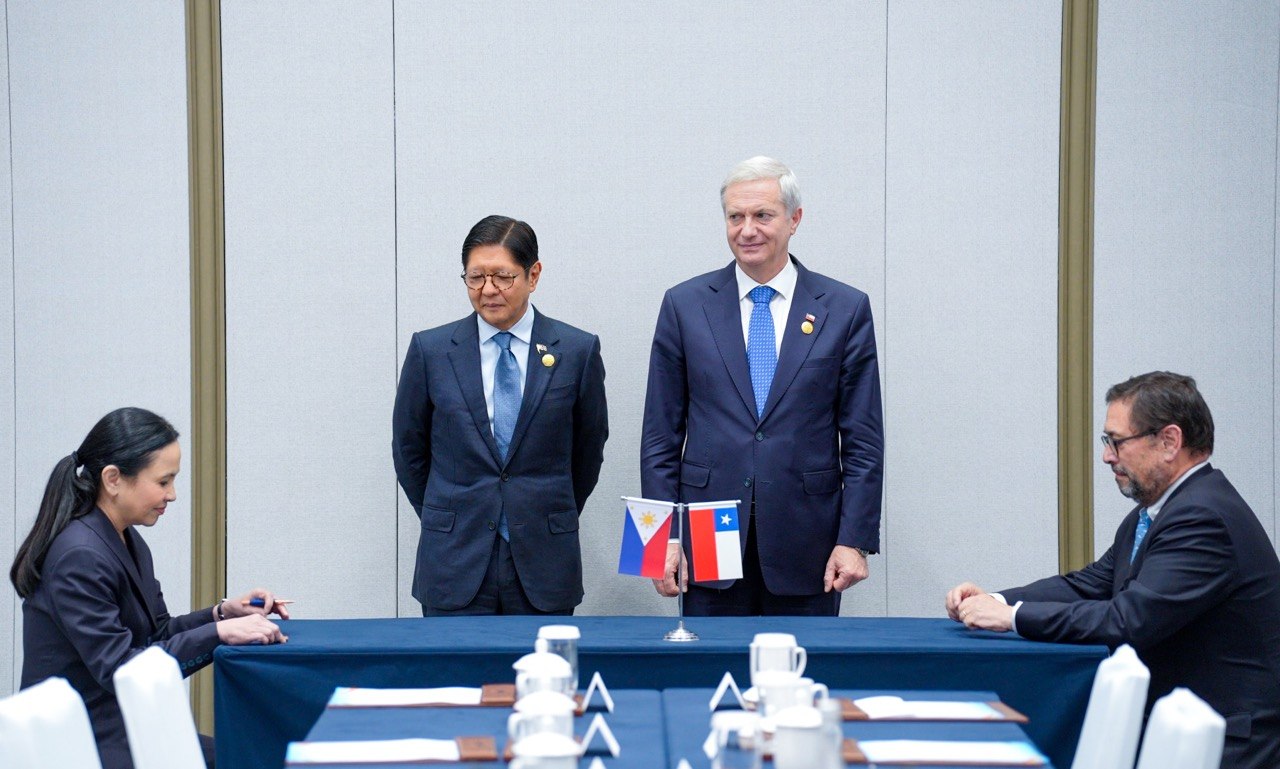
The agreement, the Philippines’ first bilateral free trade pact with a Latin American country, was signed in the presence of President Ferdinand Marcos Jr. and Chilean President José Antonio Kast.
DTI Secretary Cristina Roque said the deal would help expand the reach of Philippine businesses while supporting domestic manufacturing and job creation.
“The world is our market, and Filipino businesses are ready to compete. The PH-Chile CEPA opens new doors for our exporters, strengthens our manufacturing sector, and advances our goal of creating better jobs and greater opportunities for every Filipino,” Roque said.
Among the products expected to benefit are electronics, machinery, desiccated coconut, carrageenan, processed tuna and other manufactured and agricultural goods.
Beyond Chile’s nearly 20 million consumers, the agreement could give Philippine companies a foothold in a wider South American market of more than 400 million people.
The pact also offers potential supply-chain benefits by diversifying Philippine sources of copper and other industrial inputs needed for manufacturing, renewable energy and digital infrastructure.
Its coverage extends beyond merchandise trade to services, investment, digital trade, intellectual property, government procurement and economic cooperation.
However, translating tariff concessions into actual export growth will depend on whether Philippine businesses can meet market requirements, establish distribution networks and compete effectively with suppliers from other countries.
The DTI said implementation would be critical to turning improved market access into higher exports, fresh investments, stronger domestic industries and better-paying jobs.